IBvape E-Cigarettes|why should e cigarettes be banned — balancing scrutiny, public health concerns and consumer rights
This long-form exploration examines the growing attention paid to a category of products exemplified by names like IBvape E-Cigarettes|why should e cigarettes be banned and explains why regulators, health advocates and consumers alike are asking hard questions. The conversation is complex: it touches on nicotine dependence, youth uptake, device safety, product transparency and the legal frameworks intended to keep people safe. In this article we unpack the key factors driving calls for restrictions or bans, outline what individual shoppers should know, and offer practical steps for safer consumer behavior. The goal is to provide actionable, search-optimized and user-friendly guidance while preserving nuance about public policy and personal choice.
Why the debate intensifies
At the heart of the debate are factual trends and public perception. Incidents ranging from acute lung injury clusters to claims of aggressive youth marketing have sharpened scrutiny on vaping devices. Policymakers cite evidence on adolescent initiation, while many adult smokers and harm-reduction proponents point to potential benefits of switching from combustible tobacco. For SEO clarity and to help concerned readers find relevant information fast, we repeat the key search term IBvape E-Cigarettes|why should e cigarettes be banned throughout sections that address risk, regulation, and consumer advice.
Health and addiction considerations
Medical and public health communities highlight multiple reasons why a ban is proposed in some jurisdictions: nicotine is highly addictive and can interfere with brain development in adolescents; aerosols contain substances that may be harmful when inhaled; and product variability creates unpredictable exposures. At the same time, studies comparing e-cigarette use to continued smoking often note fewer toxicants than cigarette smoke, leading to debate about relative risk. Readers should understand that harm reduction arguments exist, yet public health priorities often favor preventing initiation among youth and ensuring product safety for current users.
Risks linked to design and components
Vaping devices combine batteries, heaters, liquids, and flavorings — a combination that can fail in ways traditional cigarettes do not. Specific risks include battery malfunctions and fires, poorly manufactured heating elements that produce unintended chemical byproducts, and e-liquids containing contaminants or inaccurate nicotine labeling. Consumer reports and regulatory action have repeatedly focused on these device- and ingredient-related hazards. When you search topics like IBvape E-Cigarettes|why should e cigarettes be banned, expect to find both clinical case reports and investigative journalism that document individual device failures.
Youth appeal, flavors and marketing ethics
One major driver of regulatory interest is the popularity of flavored products among young people. Fruit, candy, and dessert flavors — often paired with colorful packaging — have been criticized for appealing to non-smoking teens. Public health agencies argue that flavors lower barriers to initiation and obscure the presence of nicotine. Manufacturers and retailers counter that flavors help adult smokers switch from cigarettes. The tension between preventing youth initiation and providing adult alternatives has become a cornerstone of policy debates and legal challenges.
Regulatory responses across regions
Governments have adopted varied approaches: from full sales bans and flavor restrictions to strict product standards, age-verification requirements, and taxation. Enforcement priorities differ internationally, and this divergence explains why consumers in some markets face a near-ban while others see regulated, widely available products. When considering IBvape E-Cigarettes|why should e cigarettes be banned in a policy context, look for evidence of manufacturing controls, ingredient disclosure laws, and postmarket surveillance systems — elements that can reduce the public-health toll without eliminating access for adult users.
Counterfeit products and grey markets
Another complicating factor is the existence of counterfeit or unregulated devices and liquids. Grey-market sales often escape quality checks, increasing the likelihood of contaminants, mislabeled nicotine levels, and unsafe batteries. Consumers should be alert to supply-chain issues: purchase from reputable retailers, check for ingredient transparency, and pay attention to recalls and safety advisories. These practical precautions can mitigate some risks even where broader bans are not in place.
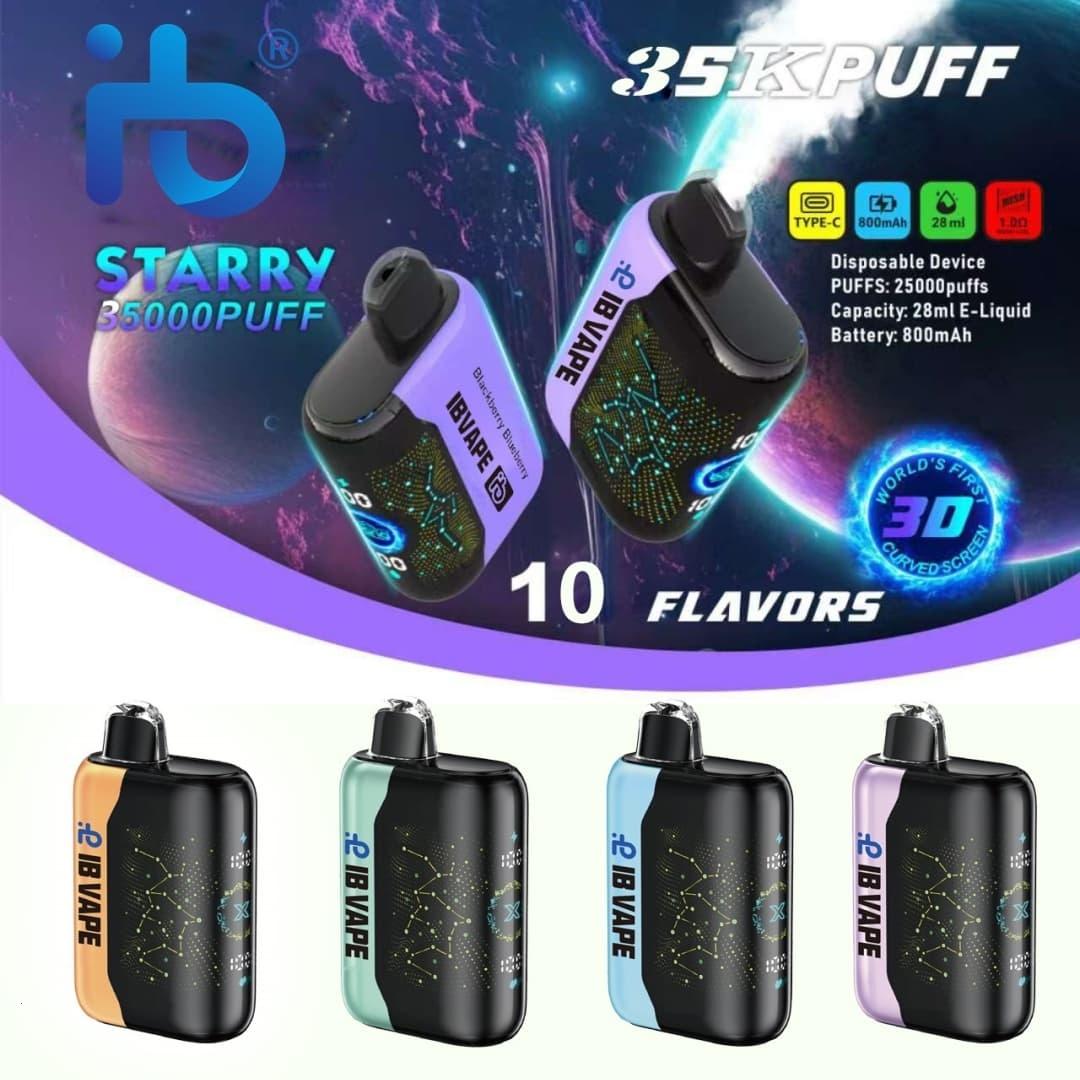 IBvape E-Cigarettes under scrutiny, why should e cigarettes be banned and what consumers should know” />
- Know the device origin: authentic products usually provide batch numbers and manufacturer contact details.
- Check ingredient lists: reputable e-liquids disclose nicotine concentration and key raw materials.
- Be cautious with mods and DIY mixes: user-modified devices can increase fire risk and produce higher chemical exposures.

Environmental and end-of-life concerns
Vaping devices and cartridges contribute to electronic waste. Batteries and residual liquids require careful disposal to prevent environmental contamination and fire hazards. Calls to ban or severely restrict certain products sometimes include environmental protection arguments, urging producers to adopt producer-responsibility schemes, implement take-back programs, and reduce single-use cartridges. Consumers can reduce environmental impact by choosing refillable systems, following local disposal rules for lithium batteries, and using official recycling channels.
Safety incidents and public perception
High-profile incidents — ranging from device explosions to widely reported hospitalizations — influence public perception and political action. Even if such events are statistically uncommon, they catalyze calls for stricter oversight or outright bans. Advocacy groups often amplify these incidents to demand faster regulatory responses, while industry organizations emphasize product improvements and voluntary standards as alternatives to bans.
Economic and legal implications
A ban on specific e-cigarettes can have wide-ranging economic effects: impact on small retailers, shifts in illicit trade, and legal challenges based on trade and consumer protection laws. When regulators consider bans, they must weigh these outcomes alongside public health estimates. Litigation has already shaped policy in several countries, and court decisions often hinge on evidence quality, procedural fairness, and the proportionality of restrictions.
What consumers should know: practical guidance
For individuals navigating this shifting environment, clear consumer guidance can reduce risk and uncertainty. Below are practical tips for safer use, purchasing, and storage.
- Prioritize products with transparent manufacturing information: brands that publish laboratory testing, batch codes and safety certifications reduce unknowns.
- Beware of exaggerated claims: products promising miraculous health benefits or zero risk should be treated skeptically.
- Use age-appropriate safeguards: if you have children or teenagers at home, store devices and e-liquids securely to prevent accidental ingestion or misuse.
- Charge batteries safely: follow manufacturer instructions, use correct chargers, and avoid charging unattended.
- Monitor for recalls and advisories: regulatory websites and consumer protection groups publish timely alerts.
Alternatives for smokers
Smokers exploring alternatives should consult healthcare providers for individualized advice. Approved nicotine replacement therapies (patches, gum, lozenges) have strong safety profiles and clearer regulatory oversight. Behavioral support and cessation counseling increase the odds of successfully quitting. If a smoker chooses to use a vaping device as a transition tool, selecting regulated devices with clear nicotine labeling and avoiding flavored products that target youth are prudent steps.
How to evaluate evidence and claims
Not all studies are equal. High-quality randomized trials, long-term cohort studies and systematic reviews inform public health policy best. Media stories, anecdotal reports, and short-term observational data can mislead when extrapolated beyond their scope. Consumers and advocates should look for sources with transparent methodology, peer review, and conflict-of-interest disclosures before drawing policy conclusions or making personal decisions.
Tip: follow major public health agencies and independent research centers for balanced updates rather than single-issue advocacy accounts.
Brand-specific considerations and transparency
Brands operating in regulated markets often have to comply with product standards, ingredient lists and advertising restrictions. For companies that emphasize safety, independent lab testing and third-party certifications are indicators of better practices. At the same time, even reputable brands can be subject to manufacturing lapses. That means consumers must remain vigilant regarding batch recalls and safety announcements tied to specific products or components.

When a targeted ban might be more effective
Instead of blanket prohibitions, some experts favor targeted interventions: banning flavored disposables that are shown to attract youth, imposing performance and labeling standards, or restricting certain marketing channels. These targeted approaches aim to preserve adult access while minimizing adolescent initiation and improving device safety. The tradeoffs are complex and depend on local consumption patterns, enforcement capacity and the presence of illicit supply chains.
Policy and community engagement
Civic engagement matters. Consumers, health professionals and retailers can all contribute to policy design by submitting evidence during consultations, participating in local advisory boards, and supporting surveillance programs. Balanced policy-making benefits from transparent input from diverse stakeholders, including vulnerable populations most affected by tobacco-related harms.
Final thoughts and a measured approach
Calls to ban or tightly restrict vaping products are motivated by legitimate public-health concerns: youth addiction, product safety, and environmental impacts. However, decisions should be evidence-driven, proportional and accompanied by support for cessation and harm-reduction services where applicable. Consumers should stay informed, prioritize product transparency, and practice safe use and disposal. Throughout this article we have emphasized the searchable phrase IBvape E-Cigarettes|why should e cigarettes be banned so that readers conducting online research can locate the key issues rapidly and compare sources.
Quick checklist for consumers
- Purchase from reputable sellers and verify authenticity.
- Look for third-party lab results and clear labeling.
- Avoid DIY modifications and mixing unknown liquids.
- Charge and store batteries responsibly.
- Keep devices away from children and pets.
Resources and next steps
For further reading consult national public health agencies, independent toxicology reviews, and consumer safety groups. When in doubt about product safety or nicotine dependence, seek professional medical advice. Keeping an eye on regulatory updates and product recalls can prevent harm and support informed choices.
Frequently Asked Questions
Q1: Are all vaping devices equally risky?
A1: No. Risk varies with design, manufacturing quality, ingredients and user behavior. Devices with robust safety features, transparent testing and proper labeling tend to present lower risk than unregulated or counterfeit products. For this reason, some policy responses focus on raising product standards rather than enacting blanket prohibitions.
Q2: Will a ban reduce youth vaping?
A2: Bans can reduce legal sales but may also push demand to illicit markets if not paired with education, cessation support and enforcement. Evidence suggests that comprehensive approaches — including flavor restrictions, age verification, enforcement against illegal sales, and prevention programs — are often more effective at reducing youth use without unintended consequences.
Q3: What should a smoker consider before using an e-cigarette to quit?
A3: Discuss options with a healthcare provider. Consider proven therapies first, like nicotine replacement and counseling. If choosing an e-cigarette, opt for regulated products, verify nicotine content, and have a plan to taper off nicotine altogether.
By reading this analysis you have gained a structured overview: why scrutiny of products such as IBvape E-Cigarettes|why should e cigarettes be banned has grown, what the principal health and safety concerns are, how regulators respond, and how consumers can minimize harm while navigating a rapidly evolving market. Keep monitoring reliable sources and prioritize transparency and safety when evaluating products.