Understanding the evolving landscape: e-zigaretten trends and regulatory context
This comprehensive analysis explores consumer insights, market dynamics and the regulatory climate that surrounds e-zigaretten and how laws on the electronic cigarette saudi arabia front are shaping opportunities and constraints for manufacturers, distributors and end users. The piece is structured to provide a layered view: an overview of demand, a deep look at policy development, practical implications for businesses, public health considerations, technological innovations, and strategic recommendations for stakeholders aiming to operate within jurisdictions influenced by Middle Eastern regulatory models. Throughout the article, strategic on-page optimization is applied by repeating key search phrases such as e-zigaretten and electronic cigarette saudi arabia in a natural, context-rich way to improve discoverability while maintaining editorial quality.
Market snapshot: consumer behavior and channel evolution
Vaping products labeled as e-zigaretten have grown from niche hobbyist devices to mainstream alternatives in many regions; however, market expansion is uneven and heavily influenced by local rules. In markets adjacent to or influenced by Gulf states, the phrase electronic cigarette saudi arabia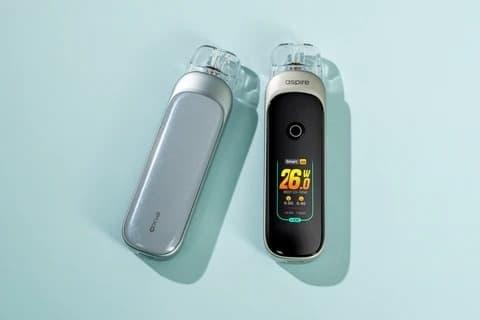 appears frequently in search queries from both consumers and professionals trying to understand import rules, permitted nicotine concentrations, and retail authorization. Demand-side drivers include perceived harm reduction potential, flavor innovation, compact pod systems, and social trends. Supply-side changes include vertically integrated brands, cross-border e-commerce, and a shifting wholesale-retail mix where specialty vape shops, licensed pharmacies, and controlled imports coexist with informal channels. For SEO purposes, it’s critical to use semantic variants around e-zigaretten such as “electronic nicotine delivery systems,” “vaping devices,” and “nicotine pouches” to capture broader intent while returning to the primary keywords to maintain relevance.
Regulatory architecture: how laws are being formed and enforced
Regulatory frameworks for electronic cigarette saudi arabia are developed with a focus on public health, youth protection, and import control. Policymakers review scientific evidence, consult stakeholders, and evaluate enforcement capacity before deciding whether to ban, restrict, or regulate vaping products. Common policy levers include product registration, advertising restrictions, flavor bans, packaging requirements, taxation, and explicit prohibitions on online sales or cross-border shipments. For e-zigaretten specifically, some countries mandate childproof packaging, nicotine concentration ceilings, and maximum refill volumes. Authorities commonly use customs seizures, license suspensions, and civil penalties to enforce rules; in severe cases, criminal sanctions may be applied to illicit importers. Search interest around electronic cigarette saudi arabia
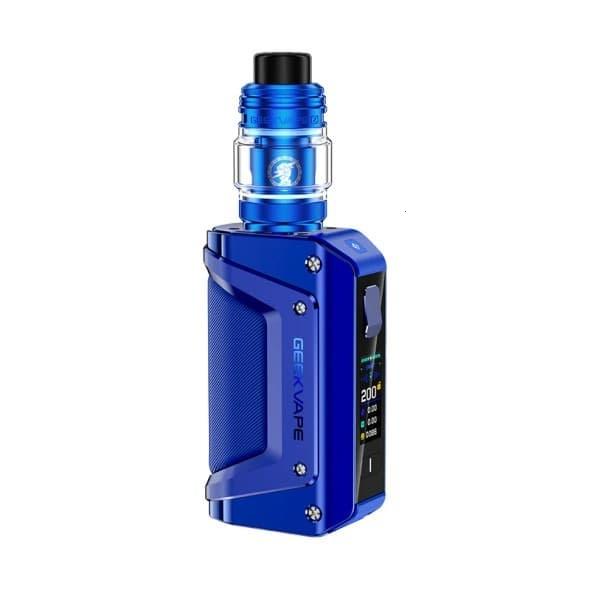 often spikes when official statements, border seizures, or high-profile court cases make the news, reflecting the connection between law enforcement actions and public searches.
Key legal issues affecting market participants
Companies interested in serving consumers who search for e-zigaretten must understand several recurring legal themes: product classification (is it a tobacco product, medical product, or consumer good?), labeling and ingredient disclosure, advertising limitations on sensory descriptors (like “cool” or “fruity”), and point-of-sale restrictions that limit access by minors. In jurisdictions where electronic cigarette saudi arabia law is strict, importers must secure pre-approval, provide lab testing reports, and work with authorized distributors. Failure to comply can result in product confiscation and reputational damage, which in turn stimulates more search queries and consumer confusion—creating both demand for reliable information and the need for accurate SEO-optimized content that answers common questions.
Public health perspective and scientific evidence
From a public health standpoint, authorities examine whether e-zigaretten can help existing smokers switch to a less harmful nicotine delivery method while also preventing nicotine initiation among youth. The evidence base includes randomized trials on smoking cessation, population-level surveillance, and toxicological assessments of vapor constituents. Policymakers in regions paying attention to electronic cigarette saudi arabia issues are balancing these arguments: some emphasize harm reduction and calibrated regulation; others prioritize precaution and strict controls. This debate influences how medical associations, ministries of health, and independent researchers frame their communications—often driving specific keyword patterns that content creators should target to capture authoritative search traffic.
Trade, logistics and cross-border dynamics
Import-export issues are crucial for brands and wholesalers dealing in e-zigaretten. Shipping restrictions, customs valuations, and differing national rules about nicotine-containing liquids complicate supply chains. For example, a product deemed legal in one country may be considered an illegal import in another if documentation is incomplete. Companies that focus on the electronic cigarette saudi arabia market must carefully map regulatory checkpoints: pre-import approvals, authorized importers, lab testing requirements, and local distributor contracts. Effective logistics management also contends with packaging requirements and temperature-sensitive handling for certain e-liquids. For SEO, it is useful to produce content that answers “how to import,” “customs requirements,” and “authorized distributor list” queries, each naturally integrating the high-value keywords e-zigaretten and electronic cigarette saudi arabia.
Commercial strategies for market entry and expansion
Successful market entry strategies for e-zigaretten into regulated environments focus on compliance-first planning: obtain local legal advice, register products where required, invest in transparent lab testing, and partner with reputable local distribution channels. Digital channels must reflect local legal constraints: SEO-optimized websites should geo-target content for searchers of electronic cigarette saudi arabia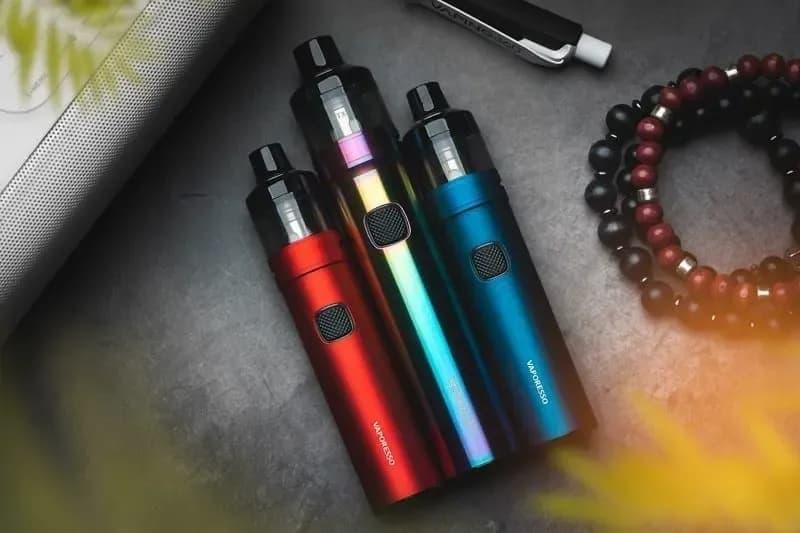 , include compliance statements, and avoid prohibited marketing claims. Localized keywords, frequently asked question pages, authoritative white papers, and buyer’s guides produce evergreen content that builds organic traffic. Strategic link-building with health experts, trade associations, and relevant news outlets amplifies domain authority for searches related to e-zigaretten. Thought leadership pieces, compliance checklists, and case studies further position brands as trustworthy in jurisdictions with complex regulation.
Technology and product evolution
Innovation in e-zigaretten spans device hardware, nicotine formulations, pod system design, and safety features. Advances include leak-resistant cartridges, battery management systems with temperature controls, and new nicotine salts engineered for smoother delivery. Product traceability and tamper-evident packaging help address regulatory concerns related to product safety and counterfeiting. For audiences researching electronic cigarette saudi arabia, content that explains technology differences (e.g., nicotine freebase vs. nicotine salts, pod vs. mod systems) serves both educational and commercial SEO purposes: such pages often rank for long-tail queries and convert informed consumers while aligning with search intent for technical and regulatory clarity.
Risk management and corporate responsibility
Brands and retailers dealing in e-zigaretten must implement risk management frameworks: quality assurance processes, supplier audits, adverse event reporting channels, and consumer education efforts. Corporate social responsibility (CSR) practices that support youth prevention campaigns and transparent ingredient reporting improve stakeholder trust. Companies that proactively align with health authorities lower compliance risk and often benefit from reduced enforcement scrutiny. For search visibility on the electronic cigarette saudi arabia topic, publishing CSR reports, compliance certifications, and third-party lab results can generate authoritative backlinks and search snippets that improve organic rankings.
Content and SEO tactics tailored to regulatory-sensitive sectors
Optimizing content for e-zigaretten and electronic cigarette saudi arabia depends on user intent segmentation: informational (what are the rules?), transactional (where to buy legally?), and investigative (how safe are these products?). Best practices include: use of structured headers (
,
,
) with primary keywords, schema markup where permitted by the hosting platform (e.g., FAQ schema on pages that host Q&A), and clear on-page signals like bolded keyword mentions for visual emphasis. Content must be comprehensive, cite credible sources, and avoid prohibited promotional claims. For pages addressing electronic cigarette saudi arabia, include region-specific compliance summaries, links to official guidance, and contact details for authorized distributors; these elements satisfy both searchers and search engines that favor depth and utility.
Monitoring, analytics and local signals
) with primary keywords, schema markup where permitted by the hosting platform (e.g., FAQ schema on pages that host Q&A), and clear on-page signals like bolded keyword mentions for visual emphasis. Content must be comprehensive, cite credible sources, and avoid prohibited promotional claims. For pages addressing electronic cigarette saudi arabia, include region-specific compliance summaries, links to official guidance, and contact details for authorized distributors; these elements satisfy both searchers and search engines that favor depth and utility.
Monitoring, analytics and local signals
Tracking search interest for e-zigaretten and electronic cigarette saudi arabia requires a combination of tools: region-filtered Google Trends, local keyword research, analytics segmented by geography, and social listening across platforms where vaping discussions occur. Local reviews, directory listings, and citations (NAP consistency) affect local search results. Brands should also monitor enforcement news, legal amendments, and customs announcements to adjust content rapidly: timely updates often capture spikes in search traffic related to regulatory changes. From an SEO perspective, constantly refreshing content and adding date-stamped compliance updates signals relevance for queries tied to legal and policy shifts.
Recommendations for stakeholders
For manufacturers: invest in compliance documentation, secure reputable testing labs, and develop clear labeling aligned with the expectations of markets that monitor e-zigaretten imports. For distributors: form partnerships with licensed local entities, and ensure robust chain-of-custody documentation for cross-border shipments. For regulators and public health officials: transparent, evidence-based guidance paired with public education reduces misinformation and stabilizes market expectations. For content creators and SEO strategists: produce localized, high-quality content that answers specific “how-to” and “is-it-legal” questions around electronic cigarette saudi arabia; aim for a mix of evergreen and time-sensitive pieces to capture both ongoing interest and news-driven spikes.
Practical checklist for businesses
- Map regulatory classification of products labeled e-zigaretten in target markets.
- Obtain necessary import licenses and third-party lab certificates.
- Design compliant packaging and clear labeling with ingredient lists and nicotine concentrations.
- Implement age-verification systems for online sales where permitted.
- Prepare crisis communications for product seizures or adverse event reports.
- Localize website content with geo-targeted pages referencing electronic cigarette saudi arabia to capture regional search interest.
Conclusion: balancing innovation and regulation
In summary, the global trajectory of e-zigaretten demonstrates strong consumer interest but simultaneously highlights the central role of legal frameworks in shaping market form and function. The story of electronic cigarette saudi arabia is illustrative: where law is restrictive, informal channels and information-seeking increase; where regulation is clear and evidence-based, licensed markets and compliance-focused businesses can thrive. High-quality, SEO-optimized content that answers practical regulatory questions while contextualizing scientific and policy debates will serve both consumers and professionals seeking reliable guidance. Smart operators balance innovation with rigorous compliance to reduce risk and enhance long-term market access.
FAQ
- Is it legal to buy e-zigaretten in Saudi Arabia?
- Regulatory status for electronic cigarette saudi arabia can be complex and may change; always consult local customs and health authority guidance and rely on licensed distributors to ensure legal compliance.
- How can a company export vaping products to regions concerned with e-zigaretten regulation?
- Exporters should secure product testing, proper labeling, a local importer or representative, and confirmation that the product classification aligns with destination-country rules; retain all documentation for customs and regulatory inspections.
- What consumer protections should be highlighted in content about e-zigaretten?
- Highlight age restrictions, accurate nicotine information, usage warnings, and links to official health guidance; avoid medical claims unless substantiated by regulatory approval.