A practical buyer’s roadmap for modern vape devices and what communities should know
Choosing a personal vaporizer requires more than a glance at styling and flavor lists. Savvy shoppers and community advocates alike must weigh device architecture, regulatory compliance, user safety, and the broader implications for public health. This comprehensive guide focuses on a popular product line—referenced throughout as IBvape E-cigarete—and explores the multifaceted consequences of e cigarettes that affect individual users, bystanders, and entire neighborhoods. Whether you are comparing pod systems to refillable mods, researching battery safety, or trying to understand how vaping shapes youth behavior and environmental waste streams, the content below is designed to be thorough, actionable, and search-engine friendly.
Why a focused guide matters
Labels and marketing can obscure critical differences between devices. A compact puffing system with a brand name like IBvape E-cigarete may be attractive because of ergonomics or flavor profiles, but you should evaluate specifications and consequences before purchase. This guide dissects the most important factors: nicotine delivery, coil and pod materials, refill vs prefilled systems, battery ratings and charging behaviors, maintenance costs, and importantly, the short- and long-term health and social impacts summarized as the consequences of e cigarettes.
Key device categories and features to compare
- Disposable vapes — low upfront cost, limited lifespan, often prefilled. Consider disposal impacts and unknown battery chemistry when reviewing environmental consequences.
- Pod systems — small, convenient, many use nicotine salts. Pods can be refillable or sealed; sealed pods reduce misuse but increase waste.
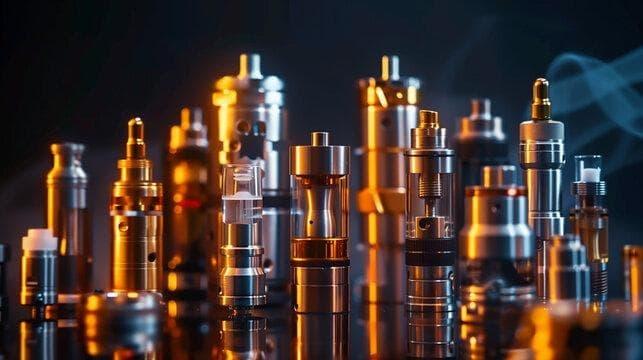
- Refillable mods — customizable, higher maintenance, often preferred by experienced users who prioritize flavor control and repairability.
- Nicotine delivery — freebase nicotine vs nicotine salts changes throat hit and absorption speed; higher bioavailability means stronger addiction risk, a primary public health concern under the umbrella of consequences of e cigarettes.
Detailed checklist before you buy
- Verify authentic branding and regulatory markings (CE, RoHS where applicable) and consult packaging for ingredient lists.
- Check battery information: capacity (mAh), chemistry (Li-ion vs others), and recommended charging protocols. Improper charging increases fire risk and is a preventable harm associated with poorly designed or counterfeit devices.
- Review the coil or atomizer materials. Stainless steel, nickel, and kanthal have different performance and heating profiles. Inhaling metal particles due to degraded coils is a concern tied to the consequences of e cigarettes.
- Understand refill solutions: PG/VG ratios, nicotine strengths, and flavoring agents. Some flavoring compounds have been associated with respiratory irritation.
- Assess repairability and available spare parts. A device you can maintain reduces waste and long-term cost.

Health considerations: short-term and long-term
Inhalation exposure from e-cigarette aerosol differs from cigarette smoke but is not inert. Acute effects may include throat irritation, coughing, and transient cardiovascular changes such as increased heart rate and blood pressure. Emerging studies link regular vaping to potential airway inflammation patterns and unknown chronic outcomes. Many conversations about harm reduction center on whether adult smokers who switch to products like IBvape E-cigarete reduce their overall exposure to combustion-related toxins, yet this relative benefit must be weighed against initiation risk, especially among adolescents.
Dependence and nicotine addiction
Electronic systems can deliver nicotine efficiently. Nicotine dependence can be reinforced more rapidly with concentrated formulations. Public health experts categorize increased youth uptake as a critical aspect of the consequences of e cigarettes because early nicotine exposure may prime developing brains for future substance use.
Secondhand aerosol and community effects
Unlike cigarette smoke, exhaled aerosol dissipates faster, yet it contains fine particulates, residual nicotine, and volatile organic compounds. Indoor air quality can be affected, and sensitive populations (children, pregnant people, those with respiratory illnesses) may experience exacerbations. Community policies often reflect these concerns, restricting use in shared spaces and multi-unit housing to reduce involuntary exposure and the social normalization of inhalation behaviors.
Environmental footprint and waste management
Disposable units and sealed pods generate significant electronic and chemical waste. Batteries in discarded devices can leach heavy metals and cathode/anode materials into soil or water systems if not disposed of properly. Brands and retailers that offer recycling programs or take-back schemes reduce the environmental cost, a factor that should be part of any buyer’s evaluation when considering brands such as IBvape E-cigarete. Responsible consumers are encouraged to separate batteries and use dedicated e-waste channels.
Legal, labeling, and quality assurance
Regulatory landscapes vary widely by region. Some areas require ingredient disclosure, child-resistant packaging, and limits on nicotine concentration and flavors. Sellers should provide batch testing and lab reports for e-liquids, demonstrating limits for contaminants and verifying nicotine content. When choosing a model or refill product, request certificates of analysis (COA) and prioritize transparent manufacturers.
Practical maintenance and safe usage tips
- Charge only with compatible chargers; avoid overnight charging or unattended charging of lithium-ion cells.
- Replace coils per manufacturer recommendations to avoid overheating and inhalation of degraded materials.
- Store e-liquids and devices away from children and pets; nicotine is toxic in concentrated form.
- Keep spare parts and manuals; documentation can help in troubleshooting and prolonging device lifespan.
Cost comparison and long-term expenses
Initial costs for a branded device may be higher but can result in lower per-use expense when using refillable systems. Disposables may appear inexpensive by unit but can become costly over months while creating more waste. Factor in replacement coils, charging accessories, and potential repairs when estimating lifetime cost.
Responsible use and harm reduction
Health authorities often recommend that adult smokers who cannot quit should consider switching to less harmful alternatives only under clinical guidance. Harm reduction approaches emphasize moving to less hazardous products, complete switching from combustible cigarettes, and avoiding dual use. Public health messaging also stresses preventing youth initiation, limiting flavors that disproportionately attract non-smoking teens, and supporting cessation programs.
Community-level interventions
Local policies that balance adult access with protections for youth and non-users can include age verification, advertising restrictions, flavor limitations, and smoke-free area extensions to aerosols. Municipal recycling partnerships can address the environmental consequences of e cigarettes by offering dedicated disposal points for batteries and used pods.
How to evaluate manufacturer claims
Manufacturers often highlight reduced harm compared to smoking. Resist marketing that uses unverified health claims. Legitimate producers provide COAs, detailed ingredient lists, and transparent quality assurance processes. Look for third-party testing results and compliance with applicable manufacturing standards to validate claims.
Red flags when shopping
- Unclear or missing ingredient lists.
- Devices without battery specifications or safety markings.
- Too-good-to-be-true “zero risk” health claims.
- Poor packaging or inconsistent labeling suggesting counterfeit products.

Case studies and user profiles
Profiles of long-term vapers indicate wide heterogeneity in experience: some report successful transition away from cigarettes, while others maintain dual use or struggle with persistent nicotine dependence. Community surveys often show shifting social norms, with vaping becoming more visible in public spaces and changing perceptions about acceptability. Monitoring these patterns helps public health professionals track the consequences of e cigarettes at the population level.
Practical scenarios
Scenario A: A pack-a-day smoker switches to a regulated refillable pod system, reduces combustion exposure, and enrolls in a cessation program—potential individual harm reduction is evident.
Scenario B: A teenager obtains flavored disposables, initiates nicotine use, and becomes dependent—this exemplifies a negative community-level consequence.
Making an informed purchase: a step-by-step checklist
- Identify your goal: cessation vs occasional use vs social consumption.
- Compare device types and long-term costs.
- Request product testing and verify authenticity.
- Consider environmental impacts and choose products with recycling options.
- Review local regulations and privacy policies for online vendors.
Balanced language and risk communication
When discussing the topic in public forums or writing product reviews, use neutral, evidence-based language. Emphasize known risks and uncertainties. Avoid sensational claims and acknowledge both the potential for harm reduction for adult smokers and the documented risks, particularly to youth and vulnerable groups. Using the phrase IBvape E-cigarete in product reviews should always be coupled with factual disclosures about device specs and testing where available.
Technical glossary
- Nicotine salts
- Form of nicotine designed for smoother throat hit and faster absorption.
- PG/VG
- Propylene glycol/vegetable glycerin ratio controls throat hit and vapor density.
- mAh
- Millampere-hour, a measure of battery capacity.
Where to find trusted information
Look for peer-reviewed studies, official public health agency advisories, and third-party lab testing. Consumer forums can provide experiential knowledge but verify technical claims with documented evidence.
Summary considerations
A thoughtful purchase includes product authenticity checks, quality assurances, battery and coil safety practices, and awareness of the broader consequences of e cigarettes for health and environment. Brands such as IBvape E-cigarete can offer appealing options when backed by transparent testing and responsible manufacturing; however, consumers and communities must remain vigilant regarding addiction risks, youth uptake, and waste management.
FAQ
- Q: Can a smoker completely eliminate harms by switching to a vape?
- A: Switching from combustible tobacco to a regulated, properly designed nicotine-delivery system can lower exposure to many combustion-related toxins, but it does not eliminate all risks. Long-term respiratory and cardiovascular effects remain under study, and nicotine dependence persists.
- Q: How should I dispose of used pods or disposable devices?
- A: Use designated e-waste or battery recycling facilities. Some manufacturers or retailers offer take-back programs. Do not throw lithium batteries into general waste streams.
- Q: Are flavored products banned everywhere?
- A: No, flavor regulation varies by jurisdiction. Some places restrict certain flavors to curb youth appeal; others permit a wider range but may enforce strict sales practices.
 IBvape E-cigarete buyer guide and understanding the consequences of e cigarettes for users and communities” />
IBvape E-cigarete|consequences of e cigarettes