Comprehensive Guide for Smokers Considering a Switch to Cigalike Devices
If you are a smoker exploring alternatives, this long-form guide evaluates devices often described as e-sigara and devices commonly referred to as e cigarettes that look like a cigarette. The purpose here is to provide clear, balanced information: design distinctions, nicotine delivery, user experience, maintenance, legal and health considerations, and practical buying tips. We avoid repeating any single headline verbatim and instead present insights, comparisons, and actionable recommendations to help you decide whether a cigarette-style electronic device fits your lifestyle.
Why some smokers prefer cigarette-style electronic devices
Many smokers find transition easier when the new device mimics familiar size, weight, and draw. The category known informally as “cigalikes” replicates the appearance and mouth-to-lung inhalation of a traditional cigarette. For smokers who value ritual, e-sigara variants and specific e cigarettes that look like a cigarette models reduce behavioral friction: they fit existing hand-to-mouth habits, often provide visible or subtle glowing tips, and can offer quick, discreet nicotine hits.
Design and form factor explained
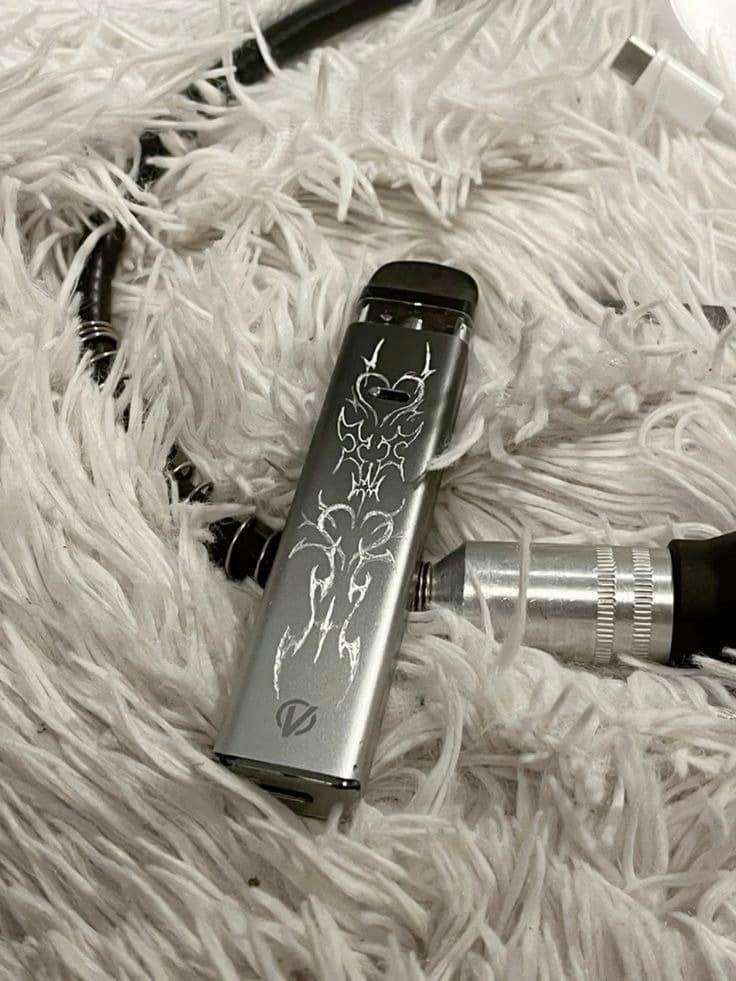
The spectrum of tobacco alternatives spans simple disposable models to rechargeable “cigalike” kits. Typical attributes include slim cylindrical bodies, tip LEDs, and prefilled or replaceable cartridges. Many e-sigara products are single-use or cartridge-based, which emphasizes convenience over customization. By contrast, modern open systems (pods and mods) target users wanting variable power settings, coil changes, and a wider range of e-liquids.
Types of products you will encounter
- Cigalikes: small, cigarette-shaped devices designed to emulate look and draw; often available as disposables or cartridge systems.
- Pod systems: compact, pocket-friendly, more efficient nicotine delivery but less visually identical to cigarettes.
- Mods and advanced devices: bulky, customizable, aimed at cloud production and flavor experimentation rather than mimicking cigarettes.
- Heated tobacco devices: heat-not-burn products that heat processed tobacco sticks rather than vaporize e-liquid; sometimes sold in cigarette-like form.
Nicotine delivery: what to expect
Nicotine satisfaction depends on device efficiency, nicotine formulation (freebase vs nicotine salt), and user inhalation technique. Many e cigarettes that look like a cigarette use moderate-power batteries and freebase nicotine in earlier generations, which can feel lighter than a strong combustible cigarette. Newer e-sigara designs often use nicotine salts for smoother, faster nicotine absorption—this helps satisfy cravings more rapidly and with fewer puffs. If transitioning, prioritize devices and cartridges labeled for higher nicotine strength if you previously smoked heavily; titrate down over time if desired.
Flavor and throat hit considerations
Throat hit varies across product families. A direct-estate cigarette-like throat hit is often created by specific e-liquid formulations and coil resistance. Users who miss the harsher hit of smoke may choose devices with slightly higher power or specific flavor blends such as tobacco blends with added organic acids. Many e-sigara cartridges replicate classic tobacco flavor, while some e cigarettes that look like a cigarette offer menthol or blended options for those with specific preferences.
Practical pros and cons
| Pros | Cons |
|---|---|
| Familiar experience and discreet form factor | Limited battery life on small cigalikes |
| Quick transition path for behavioral smokers | Less customization and potentially higher long-term cost for disposables |
| Prefilled cartridges reduce maintenance | Refill options and flavor variety may be restricted |
Cost comparison and long-term value
Initial cost for a cigarette-style device is usually low—many disposable options are inexpensive and rechargeable kits can be modestly priced. However, recurring expenses (cartridges, pods, disposables) accumulate. When calculating long-term cost, compare price per nicotine unit versus traditional cigarettes in your region. A durable, rechargeable pod system may offer lower monthly costs than disposable e-sigara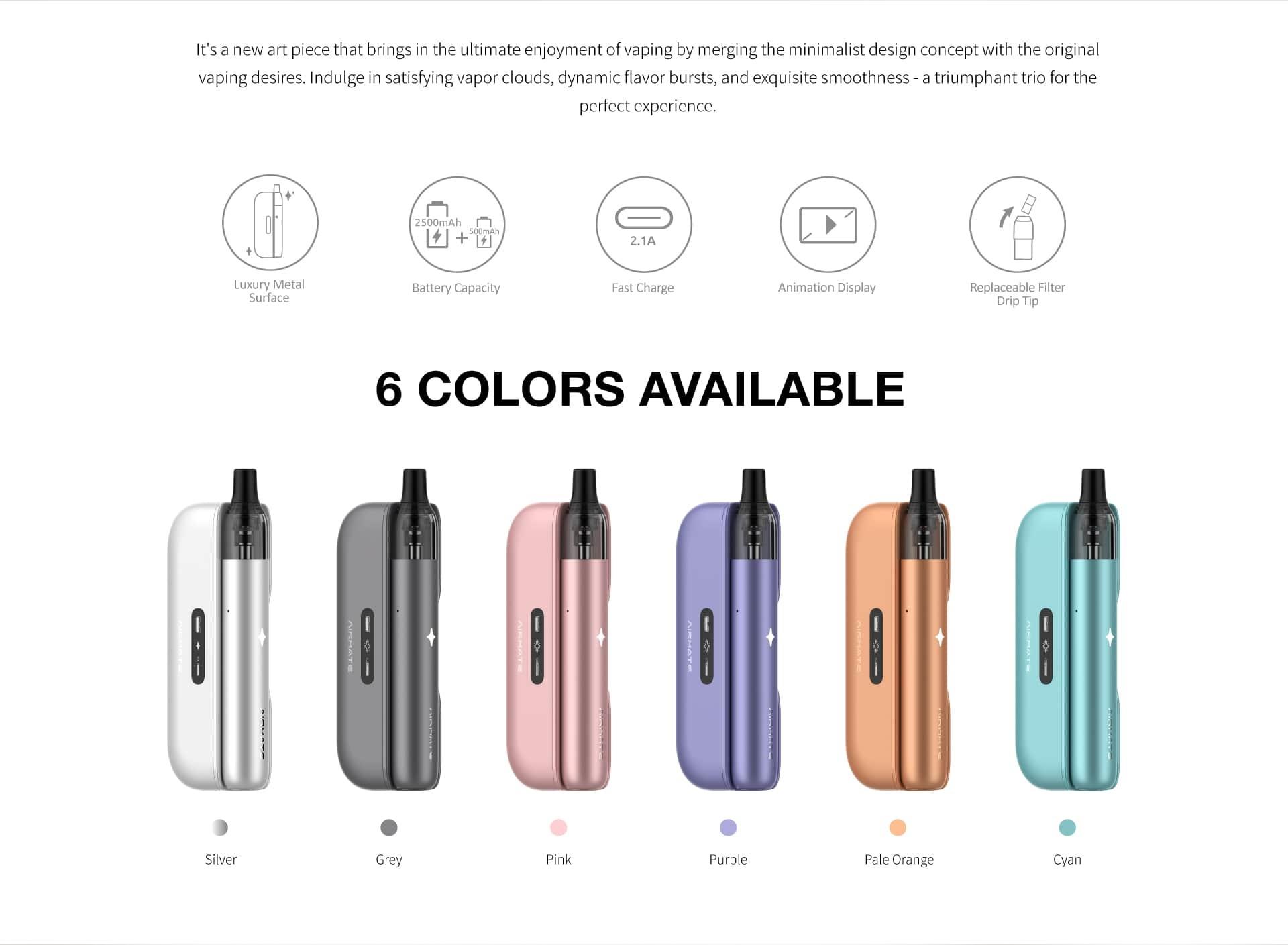 units. For budget-minded switchers, evaluate refillable systems that accept generic cartridges or bottles of e-liquid to reduce expense.
Maintenance and reliability
One of the reasons smokers choose a cigarette-resembling replacement is minimal maintenance. Disposable e cigarettes that look like a cigarette require no coil changes or refilling—consume and discard. Cartridge-based kits require occasional replacement of prefilled cartridges. Rechargeable cigalikes with integrated coils may fail faster than larger devices, so warranty and return policies matter when shopping. Clean devices and follow manufacturer guidance to extend the lifespan of any rechargeable unit.
Health perspectives and risk reduction
Switching entirely from combustible cigarettes to nicotine-delivery devices that avoid burning tobacco reduces exposure to many harmful combustion products.
Clinical consensus recognizes that eliminating smoke reduces certain toxic exposures. However, replacing cigarettes with any nicotine-delivery device is not risk-free. The long-term effects of aerosol constituents are still being studied. Public health agencies often position regulated alternatives as harm-reduction tools for current smokers unable or unwilling to quit nicotine entirely. When researching e-sigara and e cigarettes that look like a cigarette, review independent studies and manufacturer ingredient disclosures to make informed choices.
Regulatory landscape and safety standards
Regulation varies dramatically by jurisdiction: age restrictions, flavor bans, product standards, and packaging requirements all shape availability. In many markets, cigarette-like devices have been scrutinized because their appearance may appeal to minors. Look for products that follow recognized testing and quality standards, such as child-resistant packaging, leak-proof cartridges, and third-party lab testing for e-liquids.
How to choose the right model for you
- Assess nicotine need: choose cartridge strength accordingly; consider nicotine salts if seeking faster satisfaction.
- Decide between disposables and rechargeables: disposables for convenience, rechargeables for cost efficiency and sustainability.
- Consider flavor range: smokers transitioning may prefer tobacco or menthol analogues.
- Check battery life: smaller cigalikes may not last a full day if you smoke frequently.
- Read reviews from verified buyers and consult independent lab results when available.
Another practical tip: purchase from reputable retailers or directly from established brands to avoid counterfeit or poorly manufactured items labeled as e-sigara or as e cigarettes that look like a cigarette. Counterfeit cartridges may contain impurities or inconsistent nicotine levels.
Troubleshooting common issues
- No vapor or weak draw: charge battery fully, check cartridge alignment, or replace prefilled pod.
- Leakage: ensure cartridges are seated properly; if persistent, return to seller as leak-proofing is a basic quality feature.
- Burnt taste: discontinue use; replace cartridge or coil if applicable; avoid chain puffs on low-liquid cartridges.
Behavioral strategies when switching
Successful transition often involves more than device choice. Replace ritual cues—designate smoke-free areas, substitute short breaks with device use, and use support networks or cessation aids if your goal is complete nicotine cessation. e-sigara and similar devices can be stepping stones; set realistic timelines for reduction if quitting entirely is the end goal.
Environmental and social considerations
Some public spaces restrict use of any aerosol-producing device. Even when allowed, considerate use—stepping outside, avoiding enclosed spaces, and minimizing exposure to others—is recommended. The visual similarity of some models to cigarettes can be helpful for privacy but may also be misinterpreted in certain settings.
Key features to look for when shopping
- Battery capacity (mAh) and charging method
- Type of nicotine (freebase vs nicotine salt)
- Cartridge compatibility and availability of flavors
- Certifications, lot tracking, and lab testing
- Warranty, returns policy, and customer service reputation
When brands market e cigarettes that look like a cigarette, check whether cartridges are proprietary or if third-party refills exist; proprietary systems often lock you into one manufacturer.
Environmental impact and disposal
Disposable cigarette-style devices generate more waste per nicotine unit than rechargeable systems. Consider recyclable cartridges and take-back programs if environmental concerns matter to you. Many jurisdictions classify lithium batteries and e-waste under special disposal rules—follow local guidance to minimize environmental harm.
Consumer stories and real-world outcomes
Many smokers report successful reduction of combustible cigarette use after switching to cigarette-like e-devices; others find they need more powerful systems to feel satisfied. The most consistent predictor of success is complete substitution—dual use often prolongs exposure to harms associated with combustible cigarettes. User testimonials can be informative but weigh them against scientific evidence and product testing.
When to consult a healthcare professional
If you have preexisting heart or lung conditions, are pregnant, or are taking medications that interact with nicotine, consult a clinician before changing nicotine regimens. Healthcare professionals can help design a cessation plan that may include nicotine replacement therapy, behavioral support, or medical supervision.
Summary checklist: deciding whether to switch
- Do you want a device that closely mimics cigarette size and draw? Consider a validated e-sigara or a true cigalike.
- Do you prefer minimal upkeep? Disposable or cartridge-based e cigarettes that look like a cigarette may suit you.
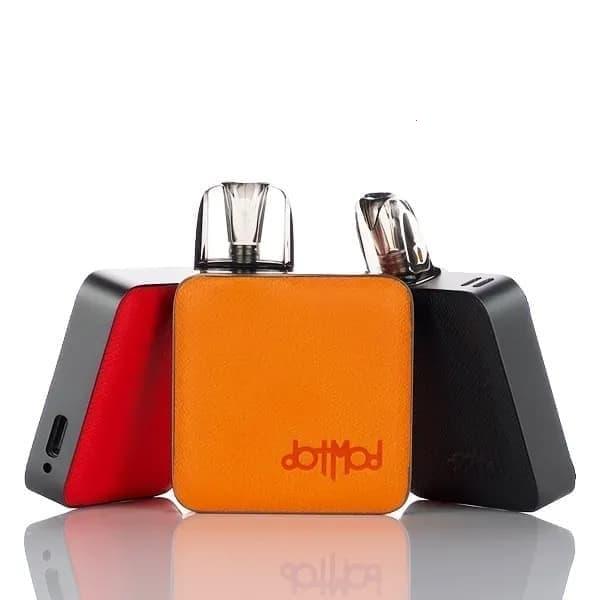
- Are cost and sustainability priorities? Compare refillable pods and rechargeable kits.
- Do you need a strong nicotine effect? Choose devices and liquids optimized for nicotine salts.

Switching is a personal journey. Use evidence, product transparency, and realistic goals to guide your decision. Evaluate both immediate satisfaction and long-term plans: reduction, maintained substitution, or eventual cessation.
Resources for further reading
Seek scientific reviews, public health guidance, and independent laboratory analyses when investigating brands described as e-sigara or marketed as e cigarettes that look like a cigarette. Reputable sources include national health agencies and peer-reviewed journals assessing emissions, exposure, and comparative risks versus combustible tobacco.
In brief: cigarette-styled devices can lower exposure to some toxicants compared with smoking but are not harmless. For many adult smokers, such devices represent a pragmatic, often effective option for reducing or replacing combustible cigarettes. Choose quality products, monitor your nicotine intake, and consider professional support if you aim to quit nicotine entirely.
FAQ
Q1: Are cigalike devices an effective way to quit smoking?
A1: They can help some smokers by providing familiar ritual and nicotine delivery. Effectiveness improves with consistent use and when the device provides adequate nicotine. Combining use with behavioral support increases quit rates.
Q2: Do cigarette-style vapes contain the same toxins as cigarettes?
A2: No — aerosols from electronic systems typically contain fewer of the toxicants produced by burning tobacco, but they are not free of potentially harmful substances. Long-term effects continue to be studied.
Q3: How do I choose nicotine strength?
A3: Base choice on prior cigarette consumption. Heavy smokers often need higher strengths or nicotine salt formulations initially; reduce gradually if your goal is lower dependence.
Q4: Are disposables better for beginners?
A4: Disposables are user-friendly and convenient for trial use, but may be costlier and less sustainable over time compared with rechargeable, refillable systems.
Final note: weigh convenience, nicotine delivery, and regulatory compliance when selecting any device marketed as e-sigara or as e cigarettes that look like a cigarette; informed choices and quality products improve the odds of a successful switch from combustible tobacco.