Understanding the latest findings on disposable vaping devices and harm questions
This long-form guide explores contemporary evidence, practical recommendations, and regulatory considerations related to single-use vaping products, often discussed under the Czech term jednorázové e-cigarety, while directly addressing the common consumer question, does electronic cigarette harm. The goal is to provide clarity for smokers, public health professionals, and curious readers, with balanced interpretation of research outcomes and pragmatic harm reduction advice.
Why this topic matters
Public interest in nicotine delivery options has increased sharply, and with it the debate about relative risks. Many people are asking whether switching from combustible cigarettes to alternatives like jednorázové e-cigarety reduces harm. Others ask the broader, fundamental question: does electronic cigarette harm? Answering that requires reviewing product designs, toxicology, behavior patterns, youth exposure, and long-term epidemiological signals.
Scope and definitions
For clarity, when we say jednorázové e-cigarety we refer to single-use or disposable electronic nicotine delivery systems (ENDS) that are prefilled, precharged, and discarded after the e-liquid is depleted. These differ from refillable pod systems and open systems that skilled users can modify. This distinction matters because engineering, chemical emission profiles, and user behaviors vary considerably across device categories—each influencing the extent to which one might answer the question: does electronic cigarette harm?
What the new research adds
The latest peer-reviewed and preprint literature provides nuanced insights rather than a simple yes/no answer to does electronic cigarette harm. Recent randomized studies, laboratory analyses, and population-level surveys emphasize three themes: exposure reduction, product variability, and usage patterns. First, many laboratory studies show that emissions from properly manufactured jednorázové e-cigarety contain fewer and lower concentrations of many combustion-derived toxicants compared with cigarette smoke, though not zero. Second, the chemical profile varies across brands and batches, influenced by coil temperature, e-liquid composition, and device age. Third, how a person uses a device—puff duration, frequency, and depth—changes their exposure to nicotine and other constituents, impacting harm potential.
Key findings summarized
- Exposure reduction: Compared to combustible cigarette smoke, many disposable e-cigarettes generate lower levels of known carcinogens and combustion byproducts, supporting the idea that switching can reduce exposure to several harmful chemicals.
- Not harmless: Emissions do include aldehydes, ultrafine particles, and flavor-related constituents that can irritate airways and, in some cases, produce toxic metabolites. This complexity feeds the question does electronic cigarette harm—the short answer is that they are generally less harmful than smoking but still carry health risks.
- Product variability: Differences across brands can be large; cheaper single-use devices with poor control over coil temperature may produce more harmful byproducts.
- Youth risk: Disposable models are popular among younger users, raising concerns about nicotine dependence and potential gateway effects; public health efforts must address youth access.
Interpreting harm: what measures matter?
When evaluating whether a behavior or product causes harm, researchers look at multiple indicators: toxicant exposure biomarkers (e.g., cotinine, NNAL), short-term physiological effects (lung function, heart rate variability), and long-term disease outcomes (cardiovascular disease, cancer). In the context of the question does electronic cigarette harm, current high-quality evidence supports reduced biomarker signals for many tobacco-related toxicants among smokers who switch completely to ENDS, including many jednorázové e-cigarety, but long-term disease endpoints remain under investigation due to the relatively recent widespread use of these devices.
Biological mechanisms to consider
Electronic nicotine delivery involves aerosolizing a liquid containing nicotine, solvents, and flavorings. Risks arise through several mechanisms: direct airway irritation, systemic cardiovascular effects of nicotine, oxidative stress from reactive carbonyls, and inflammatory responses to particles and chemical constituents. The clinical significance of low-level exposures over decades is uncertain, which fuels the ongoing debate around does electronic cigarette harm.
Practical harm reduction advice
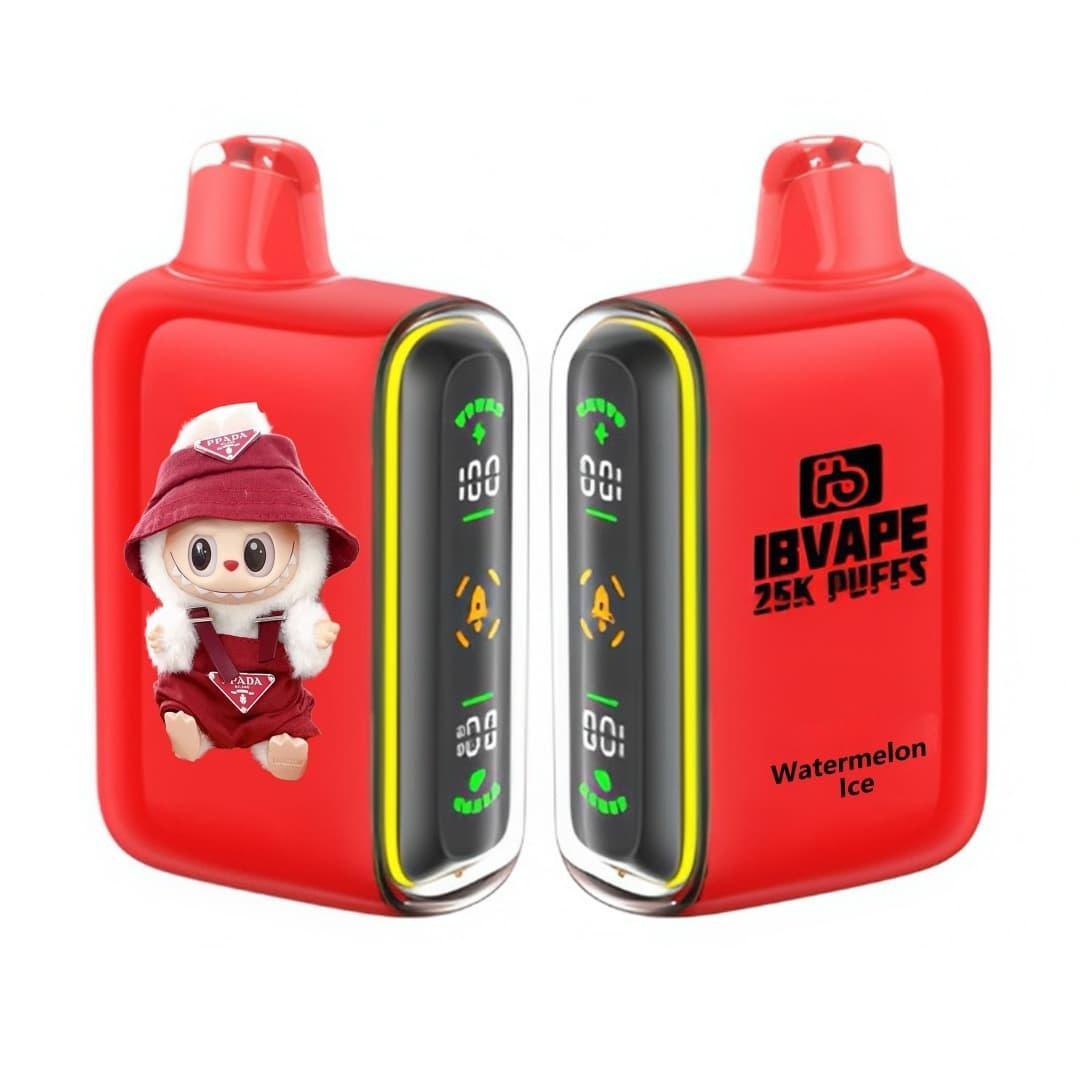
For adult smokers seeking to reduce risk, recent research suggests a pragmatic hierarchy: quitting all nicotine products is the best option; if that is not achievable, switching completely from cigarettes to a well-manufactured electronic nicotine product is likely to reduce exposure to many harmful constituents. Below are evidence-informed practical steps that translate research into action.
1) Choose quality and known manufacturers
Opt for reputable brands with quality control—devices that maintain stable temperatures and have clear labeling reduce the risk of overheating and formation of dangerous byproducts. Jednorázové e-cigarety from regulated markets with ingredient transparency are preferable to unbranded, cheaply manufactured disposables.
2) Avoid high-temperature settings and aggressive usage patterns
Although disposables usually do not offer adjustable settings, user behavior matters: avoiding chain-puffing and excessively long inhales can lower coil temperatures and reduce formation of aldehydes that are linked to toxicity.
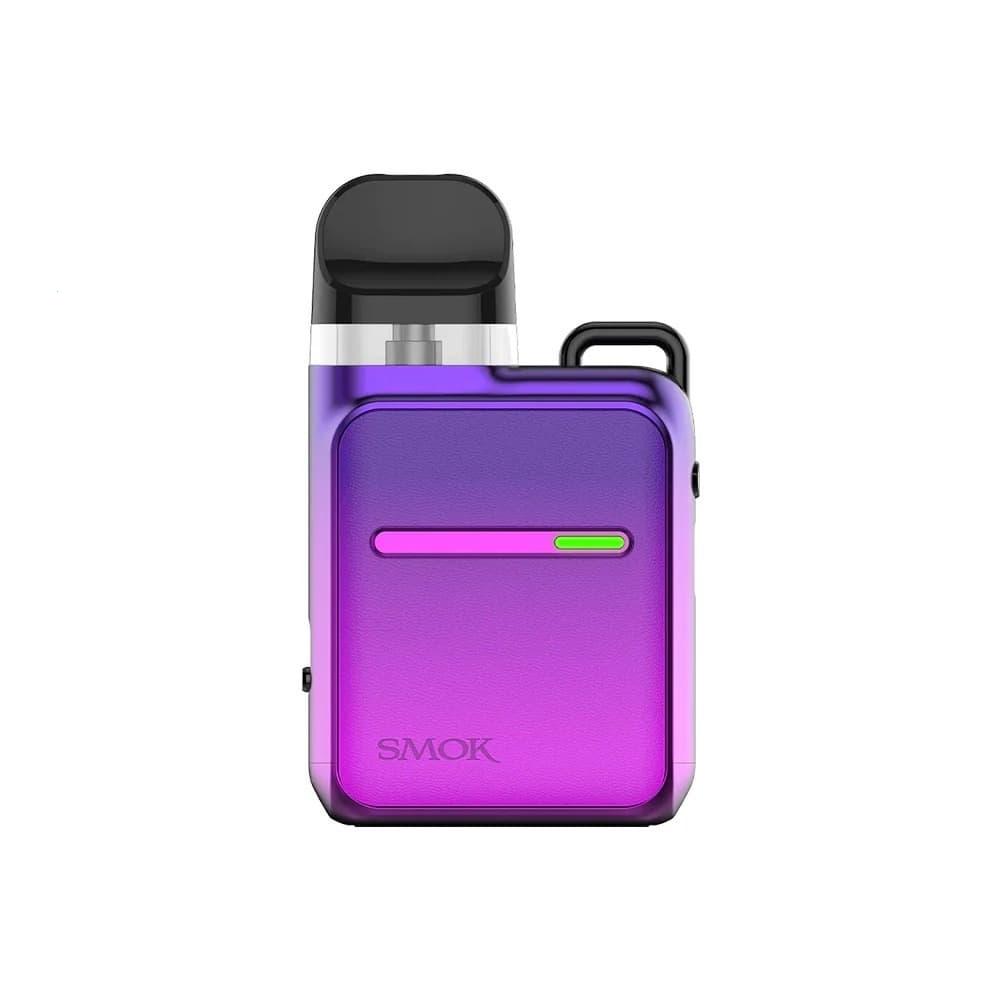
3) Prefer nicotine levels that support complete switching
Products that provide adequate nicotine delivery can help smokers switch completely, which is the most important harm reduction principle. Selecting an appropriate nicotine concentration (often in consultation with a clinician) can prevent dual use, which diminishes potential health gains.
4) Steer clear of illicit or modified liquids and illegal additives
There is clear evidence that contaminated or illicit products can cause acute lung injury and other harms. Use only legal, labeled products and avoid DIY modifications. This advice directly addresses safety concerns central to the question: does electronic cigarette harm?
5) Special populations: pregnant people and youth
For pregnant people and adolescents, the recommendation is precautionary—avoid nicotine entirely due to developmental risks. Public health strategies should prioritize preventing initiation in these groups while offering adult smokers safer alternatives within a regulated framework.
Regulatory and policy implications
Regulatory oversight can improve device quality, restrict youth-oriented marketing, require ingredient disclosure, and incentivize manufacturers to reduce toxicant emissions. Policies that create pathways for lower-risk products to compete with cigarettes—while minimizing youth access—are consistent with a public health approach focused on harm reduction. Discussions around taxation, packaging, flavor restrictions, and point-of-sale controls each influence how accessible jednorázové e-cigarety are and therefore affect population-level answers to whether electronic devices cause net harm or benefit.
Communication strategies
Transparent, accurate messaging is essential. Many surveys show confusion among the public about the relative risks of nicotine products. Answering the question does electronic cigarette harm in public communications must balance honesty about residual risks with clarity that switching from cigarettes to quality ENDS is likely to reduce exposure to several classes of harmful compounds.
Common misconceptions
- “No risk means safe” — Misleading. Lower risk is not zero risk; reduced exposure does not equal harmless.
- “All devices are the same” — Misleading. Device type, e-liquid formulation, and manufacturing quality significantly alter exposure.
- “Flavors are only for youth” — Partly true. Flavors appeal to youth, which is a public health concern, but they can also help adult smokers transition away from combustible tobacco when used responsibly within adult-only channels.
Research gaps and future directions
High-quality, long-term cohort studies are needed to clarify chronic disease outcomes associated with exclusive use of electronic nicotine products, including many types of jednorázové e-cigarety. Standardized methods for measuring emissions and biomarkers will improve comparability across studies. Ongoing surveillance of youth initiation trends, dual use patterns, and the impact of regulatory changes remains critical to answering the evolving question: does electronic cigarette harm in different populations.
Role of independent testing

Independent laboratory testing of emissions, batch variability, and ingredient authenticity is a public good that can inform consumers and policymakers. This type of evidence helps identify high-risk products and directs enforcement resources where they are most needed.
Practical checklist for consumers
Below is a concise checklist adults can use when considering switching from smoking to a disposable device:
- Choose a regulated product with clear labeling and ingredient lists.
- Aim for complete substitution—avoid dual use.
- Select a nicotine strength that keeps cravings managed to prevent relapse to cigarettes.
- Use devices as intended—do not alter them or mix in unknown substances.
- Seek support from cessation services if needed.
Making an informed personal decision
When weighing the evidence and answering for yourself whether does electronic cigarette harm, consider your baseline risk from smoking, your ability to quit nicotine entirely, and the quality of products available to you. If quitting all nicotine is unachievable, a carefully chosen, well-manufactured disposable or refillable ENDS may offer a pragmatic route to reduce exposure to many combustion-related toxicants.
Concluding perspective
Modern research provides reasoned optimism that many jednorázové e-cigarety can reduce exposure to certain harmful chemicals compared with continued smoking; however, they are not risk-free. The responsible public health response couples regulation, youth protection, consumer education, and high-quality research to ensure adult smokers can access less harmful alternatives while minimizing uptake among non-smokers. The nuanced answer to does electronic cigarette harm is: yes, some harm remains, but for adult smokers who fully switch, the balance of evidence suggests reduced harm relative to combustible cigarettes.
Practical resources and next steps
Consult national quitlines, certified tobacco treatment specialists, and evidence-based cessation programs to discuss options. If you are considering switching, look for products that meet regulatory standards, and avoid unregulated markets where the risk from contaminants is higher. Stay informed as research evolves and regulatory landscapes change.
References and further reading
Readers interested in the primary studies should consult systematic reviews from independent public health agencies, recent randomized trials comparing cessation outcomes, and laboratory emission studies that quantify toxicant yields under standardized conditions. Academic journals, governmental health agencies, and independent testing organizations provide up-to-date material on the topic commonly framed as jednorázové e-cigarety and the related question: does electronic cigarette harm?
This article aims to be a balanced, SEO-aware resource: key phrases such as jednorázové e-cigarety and the search query does electronic cigarette harm appear throughout to help readers and search engines find relevant, high-quality information about disposable e-cigarettes and harm reduction.
Note: This content summarizes evolving research and is not medical advice. Consult healthcare professionals for personalized recommendations.
FAQ
1. Are disposable e-cigarettes safer than cigarettes?
Evidence indicates many disposable devices produce lower concentrations of several tobacco-related toxicants compared with cigarette smoke; therefore, for adult smokers who switch completely, disposables can reduce exposure to certain harmful chemicals. However, they are not harmless and long-term health impacts are still under study.
2. Can jednorázové e-cigarety cause lung damage?
Some cases of acute lung injury linked to illicit or contaminated products have been reported. Typical commercial disposables used as intended are less likely to cause such acute events, but inhalation of aerosols containing aldehydes and other irritants can affect respiratory health over time.
3. Does nicotine itself cause serious harm?
Nicotine is addictive and has cardiovascular effects; it can be harmful in pregnancy and during adolescence. While nicotine contributes to dependence, much of the long-term disease burden from smoking comes from combustion products rather than nicotine per se.
4. How can smokers reduce harm if they cannot quit?
Complete substitution with a regulated electronic nicotine product, avoiding dual use, selecting appropriate nicotine strength, and choosing reputable brands are practical steps to reduce exposure to many harmful combustion-derived toxicants.