E-papierosy essentials for curious users and a friendly primer on what are e-cigarettes
If you are new to the world of nicotine alternatives or just researching safer hobby choices, this long-form guide explains core ideas, practical tips, and safety considerations in clear, actionable language. The term E-papierosy appears widely in European discussions while the phrase what are e-cigarettes often guides English searches — both point to the same category of devices that heat a liquid to produce an inhalable aerosol instead of burning tobacco.
Quick overview: what a beginner needs to know
At its simplest, what are e-cigarettes describes a device composed of a battery, a heating element, and a liquid reservoir. When you activate the device, the coil heats the liquid and creates an aerosol that users inhale. In many languages and markets, the product is described as E-papierosy (electronic papers) or simply vaping devices. There are multiple designs — from discreet pod systems to advanced rebuildable atomizers — so understanding basic parts helps you choose wisely.
Key components and terminology
- Battery / power source: supplies energy; can be integrated or removable.
- Atomizer / coil: the heating element that vaporizes the e-liquid.
- Tank / pod: holds the e-liquid; capacity varies from 1mL pods to large tanks.
- E-liquid (e-juice): a mixture of propylene glycol (PG), vegetable glycerin (VG), flavorings, and optional nicotine.
- Mods: regulated devices that offer settings like wattage and temperature control.
Why these terms matter
Understanding parts lets you troubleshoot, perform maintenance, and compare products. When consumers search what are e-cigarettes, they often want to know not just definitions but how different components affect taste, cloud production, and nicotine delivery. The Polish term E-papierosy is equally relevant on regional search pages, so seeing both terms used naturally in product descriptions helps SEO and user clarity.
How e-liquids work and what’s inside
Most e-liquids contain a solvent base (PG and VG), food-grade flavorings, and nicotine at variable strengths or zero nicotine. PG carries flavor better and gives a sharper throat hit; VG produces thicker vapor and a smoother inhale. When considering what are e-cigarettes in terms of user experience, the choice of e-liquid is one of the biggest variables. For beginners, trying a few ratios and nicotine strengths can reveal personal preference.
Types of devices and which is best for beginners
Devices range from:
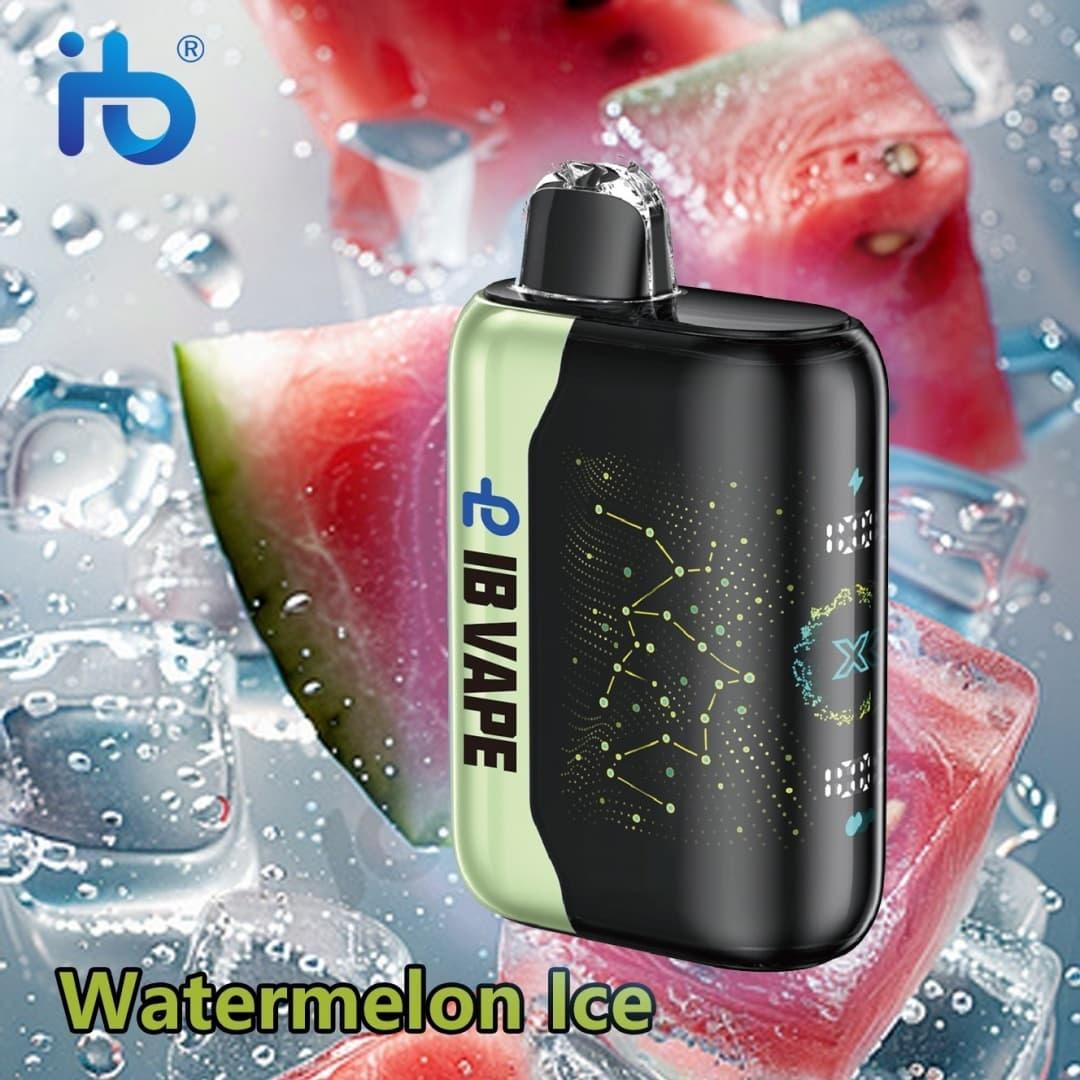
- Disposable vapes: pre-filled and ready to use; no maintenance, limited battery life — good for trial.
- Pod systems: refillable or replaceable pods; compact and user friendly.
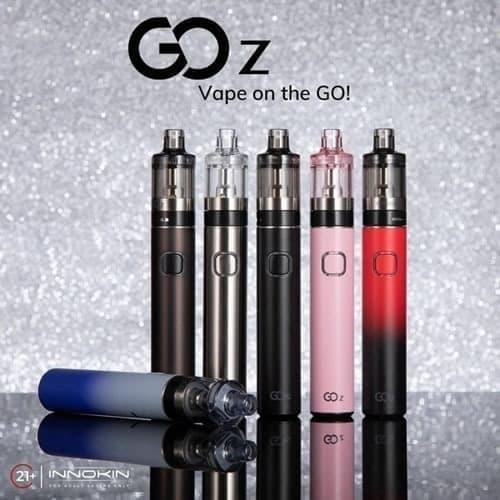
- Vape pens: simple cylindrical devices offering a balance of ease and performance.
- Box mods and rebuildables: for experienced users who want customization and larger vapor production.
Most newcomers find that a simple pod system or a small vape pen meets daily needs while minimizing learning curve. These formats are often categorized under local searches for E-papierosy in countries where the market uses that terminology heavily.
Nicotine options and switching strategies
Nicotine levels are sold in milligrams per milliliter (mg/mL) or as a percentage. New users switching from combustible cigarettes may prefer nicotine salts — a form that allows higher nicotine concentration with a smoother throat hit. Asking “what are e-cigarettes good for in terms of quitting or reducing smoking?” leads many to try nicotine replacement by tailoring both the device and e-liquid strength. Gradual reduction plans, such as stepwise lowering of nicotine or alternating nicotine-containing and zero-nicotine e-liquids, can support cessation goals.
Safety, regulations, and harm reduction
Positioning what are e-cigarettes within public health: vaping is often promoted as a harm reduction strategy for current adult smokers because it eliminates combustion and many toxins associated with burned tobacco. That does not make vaping risk-free. Quality control, battery safety, and legally compliant e-liquids vary by region. In markets where the keyword E-papierosy is commonly used, regulators often publish consumer advisories about proper charger use, product certification, and flavor regulations aimed at reducing youth appeal.
Tip: Always use the charger provided by the manufacturer and replace damaged batteries. Improper charging is a leading cause of device incidents.
Troubleshooting and maintenance
Common issues new users ask when they search what are e-cigarettes include poor flavor, weak vapor, or burnt taste. The typical fixes are:
- Replace the coil or pod if flavor is muted or burnt.
- Prime a new coil by saturating the wick with e-liquid before firing.
- Ensure battery is charged and properly connected.
- Check for leaks and tighten seals; avoid overfilling.
Routine maintenance extends device life and keeps performance consistent. Cleaning threads and using recommended e-liquid viscosities for your device prevents many problems.
Comparing costs and environmental factors
Many people wonder whether switching to E-papierosy saves money. Initial setup costs depend on device complexity; disposable products lower the entry barrier but increase long-term cost and waste. Refillable systems plus bulk e-liquid can be more economical. Environmentally, reusable devices generate less waste than disposables, but battery recycling and proper disposal of e-liquid containers remain important.
Choosing flavors responsibly
Flavor choice is a major factor in satisfaction and adherence to vaping as an alternative to smoking. However, some regulators restrict flavored products to reduce youth uptake. When examining what are e-cigarettes beyond technical aspects, consider the legal and ethical context in your location. If you are a former smoker, many find tobacco- or menthol-style flavors helpful initially, then transition to milder or dessert profiles as taste preferences evolve.
Learning to buy and compare products
When shopping, look for clear labeling of ingredients, manufacturing standards, and customer reviews. Trusted retailers and specialists can explain differences in coil resistance, wattage ranges, and airflow — all of which influence the vaping experience. Whether searching for E-papierosy in a local marketplace or entering English queries like what are e-cigarettes, ensure you read product specifications and return policies.
Health evidence and research highlights
Scientific consensus is evolving. While numerous studies have shown that vaping is less harmful than smoking combustible cigarettes for adult smokers who fully switch, long-term effects are still being studied. Public health guidance generally discourages non-smokers, especially youth and pregnant people, from using vaping products. If you are exploring what are e-cigarettes for health reasons, consult reputable national health agencies and peer-reviewed research to weigh benefits and risks.
Practical starter checklist
Before your first purchase, consider this checklist:
- Decide between disposable or refillable based on budget and sustainability goals.
- Choose nicotine strength and PG/VG ratio based on previous smoking habits and desired throat hit.
- Buy replacement coils or pods to avoid downtime.
- Learn basic safety: battery care, liquid storage, and child-proofing.
Community, support, and learning resources
Forums, social groups, and local vape shops provide hands-on help that complements online research. Engaging with communities that discuss E-papierosy can be especially useful for practical tips, while searching “what are e-cigarettes” often surfaces balanced beginner guides and regulatory updates. However, cross-check advice against recognized health sources to avoid misinformation.
How to evaluate marketing claims

Be cautious of bold promises — no product can guarantee a specific health outcome. Look for transparent manufacturers who provide ingredient lists and clear warranty or service options. Promotional language should not replace science-based resources when you ask what are e-cigarettes from a health or cessation perspective.
Legal and age restrictions
Most jurisdictions restrict sales of vaping products to adults and regulate advertising and flavor availability. Searching for local versions of E-papierosy will reveal country-specific rules. Always verify age requirements where you live and follow local laws regarding use in public spaces.
Summary and practical next steps
To recap: what are e-cigarettes describes devices that vaporize a liquid for inhalation, offering an alternative to combustible tobacco. The Polish-language term E-papierosy refers to the same category and appears often in regional marketplaces and discussions. For beginners, start with a simple, well-reviewed device, choose a modest nicotine strength if you are quitting smoking, and prioritize safety and device maintenance. Keep up with local regulations and consult healthcare professionals when making decisions related to quitting smoking or nicotine dependence.
Beginner’s action plan
- Research reputable starter kits and read user reviews that mention coil life and flavor consistency.
- Purchase a small quantity of e-liquid in varied PG/VG ratios to test preferences.
- Practice proper battery charging and storage routines.
- Join a community or ask a professional vendor about device-specific best practices.
Using both terms, E-papierosy and what are e-cigarettes, in searches and questions will help you locate relevant resources across languages and regions.
Further reading and reliable sources
Seek information from reputable public health websites, peer-reviewed medical journals, and official consumer safety advisories. Local health agencies may also have region-specific guidance on E-papierosy regulations and safe product usage.
Final note
Transitioning from curiosity to informed use requires time and careful attention to both device choice and health implications. Ask questions, test options responsibly, and prioritize trusted brands and transparent sellers. Whether your search includes the keyword what are e-cigarettes or the localized E-papierosy, clarity and safety should guide every purchase decision.
FAQ
- Q: Are these products completely risk-free?
- A: No. While many experts view vaping as less harmful than smoking combustible cigarettes for adult smokers who fully switch, vaping still carries risks and is not risk-free, especially for non-smokers and youth.
- Q: Which device type is best for a beginner?
- A: Start with a simple pod system or vape pen. They are user-friendly, portable, and require less maintenance than advanced devices.
- Q: How do I reduce nicotine gradually?
- A: Choose lower nicotine strengths over time or alternate nicotine-containing liquids with zero-nicotine e-liquids. A stepwise reduction plan combined with professional support can improve success.