Smart Buying Guidance and Nicotine Alternatives for Modern Users
If you’re researching vaping options, device selection, flavor profiling and harm-reduction strategies, this long-form guide is designed to give practical, SEO-friendly insight centered on one popular brand and a broad view of alternatives to traditional smoking and e-cigarettes. The aim is to help informed consumers compare devices, estimate costs, choose responsibly and consider IBVAPE products alongside non-vape options such as nicotine replacement therapies and behavioral alternatives. This resource focuses on quality, safety, usability and long-term considerations rather than marketing hype. Read on for detailed buying tips, comparative analysis, and realistic alternatives you can evaluate today.
IBVAPE product families — overview and how they fit into a quitting or switching plan
IBVAPE has positioned itself in the market with diverse hardware lines, pod systems, disposable formats and a wide flavor library. When considering an IBVAPE device you should mentally map your current nicotine habits, technical comfort level and priorities: battery life, discreetness, refillability, throat hit, and flavor intensity. Consumers who plan to transition off combustible cigarettes often prioritize consistent nicotine delivery and minimal maintenance. IBVAPE devices tend to fall into three practical user archetypes: beginner/disposable users, intermediate pod or pen users, and advanced/mod-friendly users. Identifying your archetype will simplify the selection process and reduce buyer’s remorse.
Key buying criteria — what matters more than buzzwords
- Nicotine strength matching:
 If you were a heavy smoker (20+ cigarettes/day), high nicotine salt e-liquids or pods from brands like IBVAPE with nicotine options up to 50 mg/ml might feel most satisfying initially. For lighter smokers, lower strengths (3–12 mg/ml) typically work well.
 - Device type: Decide between disposables, refillable pods, or mod systems. Disposables are convenient but less economical; refillables offer variety and lower long-term cost; mods provide power control and customization but require technical skill.
- Ease of use: For a quit-oriented plan, choose a device with predictable performance and low maintenance. Pod systems often strike a good balance between convenience and control.
- Battery life and charge time: If you travel or rely on a device all day, battery capacity and fast charging matter. IBVAPE models vary; compare mAh ratings and real-world endurance.
- Leak resistance and coil lifespan: Refillable systems can leak and coils need replacing. Check user reviews and manufacturer specs for coil life and tank design.
- Flavor availability: Flavors can influence adherence to a switching plan. Choose a brand with a rich, quality-controlled flavor catalog like IBVAPE if taste is important.
- Regulatory compliance and lab testing: Seek products with transparency: ingredient lists, nicotine content verification and third-party lab reports where possible.
- Price and total cost of ownership: Evaluate initial purchase cost plus ongoing consumables — pods, coils, e-liquid bottles or replacement disposables.
How to compare IBVAPE devices to similar market options
Comparisons should go beyond raw specs. Consider typical consumer feedback about draw resistance, mouth-to-lung (MTL) versus direct-lung (DL) feel, and the brand’s customer service responsiveness. When you compare an IBVAPE pod system to alternatives, ask these practical questions: Does the brand offer convenient pod replacements? Are pods compatible across models? How consistent is nicotine delivery? Is the device easy to carry and discreet? Does the product line include lower-nicotine or nicotine-free e-liquids if you want to taper down?
Sample comparison matrix — practical points to check
- Initial cost vs refill cost — Calculate cost per day based on typical usage.
- Flavor longevity — some e-liquids maintain flavor longer in leak-free systems.
- Battery durability — consider replacement policies and warranties.
- Availability of spare parts — coils, pods, glass tanks, chargers.
- Third-party reviews and lab certificates.
Choosing between disposable and refillable IBVAPE-like systems
Disposables: instant satisfaction, low tech, but more expensive at scale and less eco-friendly. Refillable pod systems: cost-effective with greater flavor options and potentially less waste when used correctly. If sustainability matters, favor refillables and consider proper recycling for batteries and empty pods.
Real alternatives to e cigarettes — what works and why
Not everyone wants to use an electronic nicotine delivery system long term. Whether due to health concerns, regulatory restrictions, travel logistics, or personal preference, there are effective alternatives to e cigarettes you can consider. Below, we examine nicotine and non-nicotine approaches, harm-reduction strategies and behavioral supports that together create a realistic quit or reduction program.
Nicotine replacement therapies (NRTs)
NRTs transfer nicotine via medically approved methods that avoid inhaling heated aerosols or combusted tobacco. Options include: patches, gums, lozenges, inhalators and nasal sprays. Their benefits include precisely dosed nicotine, generally favorable safety profiles, and often public health backing. Many smokers find combining a patch for baseline nicotine with a shorter-acting gum or lozenge for cravings works well. Discuss options with a healthcare provider, especially for dosing and medical interactions.
Prescription medications and clinically supported options
Medications such as varenicline and bupropion can be highly effective in increasing quit rates when combined with counseling. These are not over-the-counter and require medical oversight, but they are important alternatives when nicotine-only strategies aren’t enough.
Behavioral interventions and counseling
One of the most underused but effective elements in quitting is counseling: individual therapy, group sessions, digital coaching, and telephone quitlines provide strategies to manage triggers, habit replacement and relapse prevention. Behavioral interventions can be combined with either NRT or a brand like IBVAPE for a multi-modal approach.
Non-nicotine alternatives
Some users prefer to avoid nicotine entirely. In that case, consider behavioral substitutes (deep-breathing exercises, fidget tools), mindfulness techniques, exercise programs, and nicotine-free inhaler-like devices. Herbal vaporizers that heat plant materials (not tobacco) exist but their safety profiles vary and should be evaluated carefully.
Health, safety and risk comparisons
Public health authorities consistently emphasize that quitting all tobacco and nicotine products is the best health choice. For those unable or unwilling to quit immediately, less harmful alternatives can reduce exposure to combustion products. While IBVAPE and many modern e-cig products eliminate tar and many combustion byproducts, they do deliver nicotine and, depending on liquid composition, other aerosol constituents. Understanding the nuances of risk — absolute versus relative — is important. Harm reduction is practical: switching from cigarettes to a reputable e-cig product often reduces exposure to harmful chemicals, but cessation remains the optimal goal.
Regulatory and quality considerations
Always check whether an IBVAPE product or an alternative is legal and compliant in your jurisdiction. Regulatory frameworks differ between countries and even within regions. Look for products that disclose ingredients and provide safety information. Beware of counterfeit items; counterfeit devices and refills pose higher risks.
Device maintenance, storage and safety tips
Prolong the life of your device and reduce risk by following best practices: charge with manufacturer-approved chargers, avoid exposing batteries to extreme heat or cold, store e-liquids away from children and pets, and replace coils at recommended intervals. If you choose an IBVAPE product, register the device if that option is available to use warranty services. Keep firmware updated where applicable. Proper maintenance often improves flavor consistency and reduces the chance of malfunctions.
Travel and discretion
When traveling remember airline restrictions and local laws. Many countries restrict e-cig importation or use in public places. Carrying a compact, well-protected device and spare batteries in approved battery safes helps avoid damage or regulatory headaches. If you need to be discreet, choose low-scent e-liquids and compact devices — many users find IBVAPE pod-style units fit this need.
Flavor choices and sensory satisfaction
Flavor can make or break a switching attempt. Fruity, minty, dessert and tobacco profiles each appeal to different palates. If you plan to taper nicotine, consider flavors that maintain interest even at lower nicotine levels. Many find menthol or mint products help reduce desire for combustible smoke, while complex dessert flavors can keep sessions from feeling monotonous. IBVAPE often offers a broad palette; try small quantities first to avoid waste.
Cost analysis: vaping vs other alternatives
One major practical factor is the economics. Compare upfront and recurring costs: device price, pods/coils, e-liquid cost per milliliter, and battery replacements. Disposables are cheapest to buy but typically most expensive per session. Refillable systems amortize the initial expense over time. NRT products also vary in cost; while patches may appear more costly upfront, they often compare favorably for long-term cessation. Create a 3–6 month cost projection when selecting a path.
Environmental and disposal considerations
Electronic devices and disposable cartridges create waste streams that deserve attention. If you care about the environment, consider refillable options, participate in recycling programs for batteries and used pods, and avoid single-use disposables when possible. Some brands have take-back programs — check whether IBVAPE or local retailers offer responsible disposal options.
Practical scenarios and recommended approaches
Below are a few user scenarios and recommended steps to choose the right path:
- Heavy smoker aiming to switch quickly: Try a high-nicotine salt pod or a reputable disposable for immediate craving control. Consider pairing with counseling and a plan to taper.
- Casual smoker with travel needs: Choose a compact rechargeable pod with strong battery life and low leak risk.
- Quit-intent user who dislikes inhalation: Investigate NRT patches plus short-acting options for breakthrough cravings, or behavioral supports and medication under medical supervision.
- Environmentally conscious user: Favor refillable systems, long-life batteries and brands that support recycling.
How to test products safely before committing
Purchase starter kits where possible, request sample packs from retailers, or buy low-volume e-liquid bottles to test flavor and hit. Look for trial offers and read verified user reviews focusing on device reliability and consistent nicotine delivery. When sampling, keep a short evaluation checklist: flavor fidelity, throat hit, coil life, battery life, and maintenance requirements. Don’t forget compatibility issues; some pods and coils are device-specific.
Common troubleshooting tips
If you encounter a “gurgling” pod, check for overfilling or worn coils. If production is weak, inspect the battery connection and pod seating. Leaks often originate from improper sealing or worn O-rings. For stubborn problems, consult manufacturer guides or community forums before discarding a device.
Long-term strategies: tapering and cessation
For many, IBVAPE and other e-cig products function as transitional tools rather than permanent replacements. A gradual taper — reducing nicotine strength over weeks or months — can help reduce dependence. Track your nicotine intake, set milestones, and combine pharmacologic and behavioral supports when possible. Celebrate milestones and have contingency plans for lapses to prevent full relapse into smoking.
Community and support resources
Join local or online communities that focus on switching and quitting. Peer support networks, moderated forums and healthcare provider resources offer accountability and practical tips. When evaluating advice, prioritize information grounded in reputable clinical or public health sources.
When to seek professional guidance
If you have underlying cardiovascular disease, are pregnant, breastfeeding, or taking certain medications, consult a healthcare professional before starting any nicotine product. Medical supervision ensures the safest path to cessation or harm reduction.
Conclusion — a balanced approach to selecting an IBVAPE device or choosing alternatives to nicotine inhalation
Choosing between an IBVAPE product and various alternatives to e cigarettes is a personal decision informed by your habits, health goals, budget and preferences. Evaluate devices by real-world performance, safety information and total cost; weigh alternatives such as NRT and prescription medications, and never underestimate the value of behavioral support. Make incremental changes, measure outcomes, and adjust your approach based on how your cravings and satisfaction evolve. A pragmatic, evidence-informed strategy typically yields better long-term success than impulsive purchases or unplanned experimentation.
Quick checklist before purchase
- Match nicotine strength to your smoking profile.
- Decide between disposable convenience and refillable sustainability.
- Check for lab testing and regulatory compliance.
- Estimate 3-month total cost.
- Plan a taper or cessation timeline if desired.
Further reading and trusted resources
Consult public health websites, peer-reviewed cessation studies and local smoking cessation programs to complement the product-focused aspects discussed here. When comparing products like IBVAPE to non-vape options, prioritize scientifically verified outcome data and clinical guidance.
Frequently Asked Questions
Q: Can IBVAPE products help me quit smoking?
A: Many people successfully switch from combustible cigarettes to e-cig devices and then taper nicotine, but success rates vary. Combining device use with counseling and, if appropriate, medically approved pharmacotherapies improves outcomes.
Q: What are the main alternatives to e cigarettes if I want to avoid vaping?
A: Core alternatives include nicotine replacement therapies (patches, gum, lozenges), prescription medications, behavioral therapy, and nicotine-free behavioral substitutes. Each has unique pros and cons; choose based on health status and lifestyle.
Q: How do I choose between disposable and refillable devices?
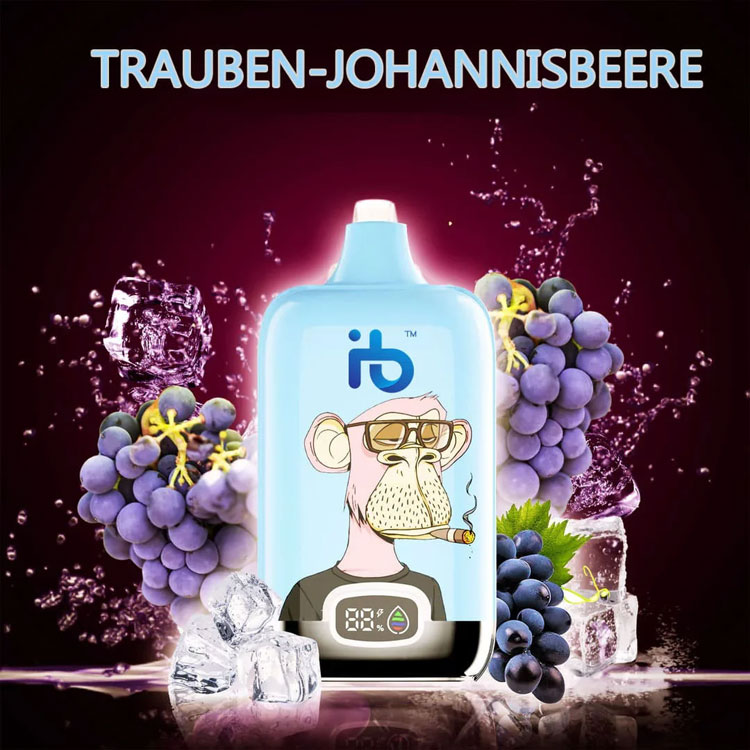
A: Evaluate convenience versus cost and environmental impact. Disposables are easy but costlier over time and produce more waste; refillables require more care but are often cheaper and more sustainable.
Ultimately, an individualized plan that considers evidence, practical device attributes, and supportive interventions will yield the most reliable path away from combustible tobacco. Use this overview to form questions for vendors, clinicians or support groups so you can make an informed, sustainable choice whether you select an IBVAPE device or explore structured alternatives to e cigarettes.