Understanding the modern vapor landscape: what consumers need to know about E-cigarete choices
The arrival and rapid evolution of vaping products has prompted an urgent public conversation that centers on a core question: is e cigs safer than cigarettes? This article is an in-depth consumer guide and health-oriented report designed to help smokers, public health-minded readers, clinicians, and curious consumers navigate evidence, risks, and practical decision points regarding E-cigarete products. We will avoid sensational claims and focus on balanced, evidence-informed explanations, practical evaluation criteria, and actionable tips for individuals considering a switch or trying to understand comparative harm.
Executive summary and key takeaways
Short version for readers in a hurry: most independent evidence indicates that many modern E-cigarete devices, when used by adult smokers as a full substitute for combustible tobacco, are likely to present lower levels of certain toxicants compared to continued cigarette smoking. However, lower relative risk does not mean harmless. The nuanced answer to is e cigs safer than cigarettes depends on user behavior, product quality, nicotine dependence, dual use patterns, and whether the user is an adult smoker trying to quit versus a non-smoker, especially youth.
How researchers compare harms: key principles
Comparative risk assessment generally evaluates: 1) exposure to carcinogens and cardiovascular toxicants, 2) respiratory irritants and chemicals linked to acute lung injury, 3) addiction potential via nicotine delivery, 4) acute harms such as battery explosions and overheating, and 5) population-level effects including youth uptake and changes in smoking prevalence. Understanding whether E-cigarete use answers the policy and clinical question is e cigs safer than cigarettes requires both individual-level toxicology and broader public-health modeling.
What’s in the aerosol and why it matters
The aerosol from an E-cigarete typically comes from heating a liquid made of propylene glycol, vegetable glycerin, nicotine (optional), and flavorings. When heated, some components can break down into formaldehyde, acetaldehyde, acrolein, and other aldehydes or volatile organic compounds. The concentrations of these toxicants are generally much lower than in cigarette smoke, but they are not zero. Device power, coil temperature, e-liquid composition, and user puffing patterns strongly influence toxicant levels, which is why a blanket answer to is e cigs safer than cigarettes must include device and usage context.
Nicotine: dependence, benefits, and risks
Nicotine is the addictive component that drives dependence and many behavioral harms. It is not the principal carcinogen in cigarettes, but it affects cardiovascular physiology and can have developmental impacts during pregnancy and adolescent brain development. For adult smokers seeking to quit, nicotine delivery via a regulated E-cigarete or nicotine-replacement therapy may be preferable to ongoing combustible smoking. However, encouraging non-smokers to initiate nicotine use through vaping is a public health concern that affects the population-level calculus of whether is e cigs safer than cigarettes in practice.
Clinical effectiveness for cessation
Randomized trials and observational studies present mixed but increasingly favorable evidence that certain E-cigarete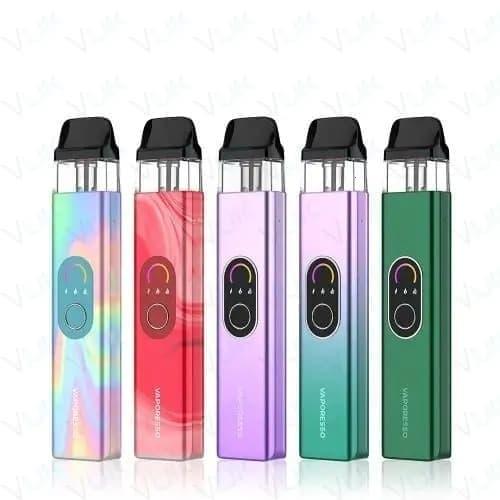 devices can outperform nicotine-replacement patches and gum in helping smokers quit, particularly when combined with behavioral support. The effectiveness varies by device type: newer pod-based or tank systems that deliver stable nicotine doses are more effective for many smokers than early-generation cigalikes. Expect variability: not all e-cig users quit completely—many become dual users, maintaining both smoking and vaping, which reduces any potential harm reduction benefits.
Dual use: the hidden complication
Many smokers who adopt E-cigarete products continue to smoke some cigarettes. This dual use limits reductions in toxicant exposure and can maintain nicotine dependence. Public health messaging emphasizing complete substitution or cessation rather than indefinite dual use is crucial; clinicians should counsel smokers on the value of transitioning fully away from combustible tobacco if the goal is harm reduction.
Device safety and technical considerations
Device risks include battery failures, overheating, and poor manufacturing leading to contamination. Consumers should choose reputable brands, follow charging instructions, avoid makeshift battery modifications, and prefer regulated devices with built-in protections. Quality control in e-liquid manufacturing matters: look for third-party testing or certificates of analysis indicating absence of contaminants, and avoid unregulated or illicit cartridges. The technical side also influences toxicant generation: higher coil temperatures can increase thermal decomposition of e-liquid ingredients, producing harmful byproducts.
Flavorings, additives, and special risks
Flavor chemicals are a major driver of product appeal, especially among youth. Some flavoring compounds are generally recognized as safe (GRAS) for ingestion but their inhalation safety is not established. Diacetyl and similar diketones have been associated with obliterative bronchiolitis in occupational settings and have been identified in some flavored e-liquids; consumers should prefer products that disclose ingredients and avoid those with known respiratory hazards. Considering flavor-related risk is essential when weighing is e cigs safer than cigarettes, since a product with unknown inhalation toxicants could present unexpected harms.
Vulnerable populations and differential harms
Pregnant people, adolescents, and never-smokers face a very different risk calculus than long-term adult smokers. For these groups, initiation of any nicotine-containing E-cigarete carries health risks and is not recommended. Conversely, for a heavy adult smoker unable to quit by other means, switching to a regulated vapor product may reduce exposure to many known carcinogens and toxicants. Policymakers and clinicians must balance individual-level harm reduction against population-level risks like youth initiation and resurgent nicotine markets.
Regulatory frameworks and quality assurance
Regulatory approaches range from strict bans and flavor restrictions to frameworks encouraging product standards, ingredient disclosure, and age controls. Where regulators require manufacturing standards, ingredient transparency, and limits on contaminants, consumers can make more informed choices. Regulatory oversight also reduces the prevalence of adulterated or counterfeit products that have been implicated in serious lung injury outbreaks.
Environmental and secondary impacts
Environmental considerations include disposal of cartridges, lithium batteries, and plastic waste. Unlike cigarette butts, which leach toxins and are a major litter source, many e-cig components are recyclable if separated properly. However, battery and electronic waste introduces different disposal challenges that consumers and municipalities must manage to avoid environmental harm.
Practical guidance for consumers considering switching
Below are specific, actionable tips for adults choosing between continuing to smoke combustible tobacco and trying an E-cigarete as a potential harm-reduction tool:
- Consult a healthcare professional, especially if pregnant, breastfeeding, or having cardiovascular disease.
- If you are a never-smoker or youth, do not start vaping—risks outweigh any hypothetical benefit.
- For adult smokers intent on quitting, prefer high-quality regulated devices and e-liquids with transparent ingredient lists.
- Aim for complete substitution rather than indefinite dual use to maximize potential reductions in toxicant exposure.
- Use behavioral support and cessation counseling in combination with nicotine-delivering devices to increase success rates.
- Avoid modifying devices or using illicit cartridges; practice battery safety and follow manufacturer guidance on charging and storage.
Evaluating product quality: a checklist
When choosing an E-cigarete, consider these criteria: third-party lab testing for metals and contaminants, clear nicotine concentration labeling, batch traceability, no additives with known inhalation risks (e.g., diacetyl), positive reviews from independent consumer labs, and safety features in the hardware (overheat protection, short-circuit safeguards). If a product is unusually cheap, lacks transparency, or is marketed aggressively to youth, exercise caution.
Common myths and evidence-based clarifications
- Myth: Vaping is completely safe. Fact: It is not harmless; many harmful exposures are lower compared to smoking, but certain chemicals and nicotine risks remain.
- Myth: E-cig vapor is just harmless water vapor. Fact: Aerosols contain fine particles, flavor chemicals, and sometimes volatile organic compounds.
- Myth: Flavors are benign because they are food-safe. Fact: Inhalation toxicity differs from ingestion toxicity; many flavor chemicals lack long-term inhalation safety data.
Public health trade-offs and population impact
When public-health experts model whether is e cigs safer than cigarettes at the population level, outcomes depend on two competing effects: harm reduction for current smokers who switch completely and potential harms from increased initiation among youth or re-normalization of smoking-like behavior. Policies that maximize benefits tend to focus on restricting youth access, limiting marketing that targets young people, implementing product standards, and promoting e-cigarettes as an adult-only cessation or harm-reduction option backed by clinical support.
How to approach conversations about vaping with patients or family members
Clinicians and family members should adopt a nonjudgmental, evidence-informed stance. For adult smokers, discuss all cessation options including NRT, medications, behavioral counseling, and, where appropriate, regulated E-cigarete devices as a potential alternative. For adolescents and non-smokers, emphasize that nicotine exposure can harm developing brains and advise against initiation. Open dialogue, clear factual messaging, and individualized risk assessment are the most effective strategies.
Future research priorities
Important open questions remain: long-term respiratory and cardiovascular outcomes from chronic vaping, the inhalation toxicity of many flavoring chemicals, and real-world effectiveness of e-cigarettes for sustained smoking cessation over many years. Continued investment in longitudinal cohort studies, toxicology of inhaled flavorants, and high-quality randomized trials will sharpen answers to is e cigs safer than cigarettes over the coming decade.
Concluding perspective
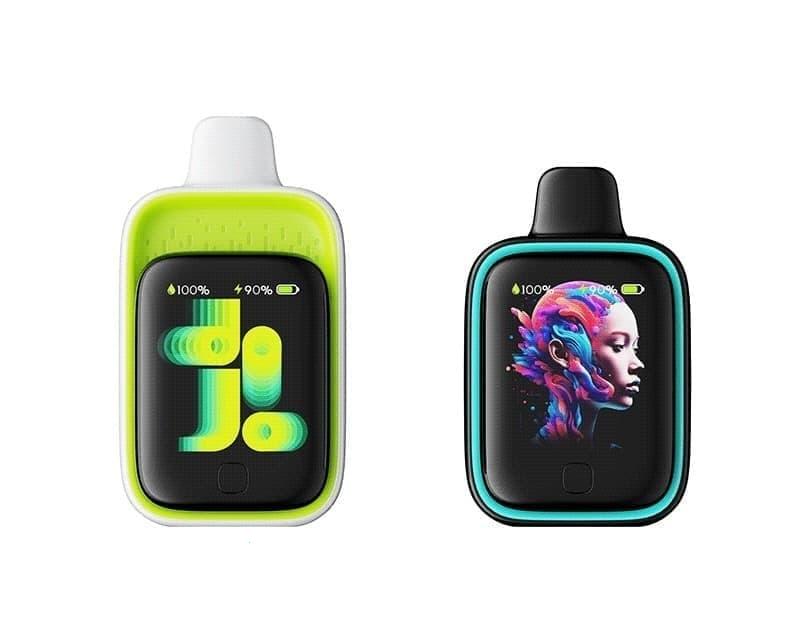
E-cigarete products represent a complex, rapidly evolving sector that offers both potential harms and benefits. For individual adult smokers who cannot or will not quit with existing approved therapies, switching to a well-regulated vapor product could reduce exposure to many of the toxicants that make cigarettes so lethal. Yet that potential is contingent on complete substitution, product quality, and responsible regulation. For non-smokers, adolescents, and pregnant people, the recommendation is clear: avoid nicotine and vaping. The bottom line on the question is e cigs safer than cigarettes is conditional — generally lower exposure to specific toxicants, but not harmless, and heavily dependent on context and behavior.
Consumer checklist: quick decision guide
1) Are you an adult smoker seeking to quit? If yes, discuss options with a clinician.
2) Can you use a regulated, tested product and aim for complete substitution? If yes, potential harm reduction exists.
3) Are you a never-smoker or under 25? Strongly avoid initiation.
4) Do you have pregnancy or serious heart/lung disease? Seek medical advice before considering nicotine products.
Keyword focus: Throughout this consumer report we have intentionally used the phrases E-cigarete and is e cigs safer than cigarettes to help readers and search engines identify core topics and to ensure the content aligns with common queries about vaping safety and comparative tobacco harms.
FAQ
- Q: Does switching to an E-cigarete guarantee quitting smoking?
- A: No. Switching can help some smokers quit, especially when paired with behavioral support, but many users become dual users. Complete cigarette cessation provides the largest reduction in health risk.
- Q: Are flavored vapors more dangerous than unflavored?
- A: Not necessarily universally, but some flavor compounds have unknown inhalation risks and certain chemicals (e.g., diacetyl) have known respiratory hazards; choose transparent, tested products.
- Q: How should I evaluate an e-liquid or device for safety?
- A: Prefer products with third-party lab testing, clear ingredient lists, nicotine concentration labeling, and reputable manufacturer practices. Avoid illicit cartridges or unbranded knockoffs.