Understanding safer vaping practices for new and experienced IBVAPE customers
This comprehensive resource is written for people who use or are considering products from IBVAPE and want clear guidance about common concerns such as electronic cigarette side effects, device safety, and practical tips to reduce risks. Whether you’re switching from combustible tobacco, exploring nicotine reduction strategies, or simply curious about how to vape more responsibly, the following sections break down what we know about potential harms, how to recognize them early, and daily habits that lessen the chance of accidents or adverse reactions.
In plain terms, smoking alternatives like e-cigarettes can reduce exposure to many toxicants present in smoke, but they are not risk-free. This article focuses on evidence-based information and user-centered advice tailored to IBVAPE enthusiasts who want to make informed choices while minimizing electronic cigarette side effects.
Quick overview: what is in an e-liquid and why ingredients matter
Typical e-liquids consist of a solvent base, flavorings, and often nicotine. The base is usually propylene glycol (PG), vegetable glycerin (VG), or a mix of both. Many IBVAPE products use pharmaceutical-grade ingredients and list contents, but users should always check labels for concentration, batch testing, and manufacturing standards. Flavors can trigger irritation or allergic responses in sensitive people, and variability in nicotine concentration contributes strongly to dependency and short-term physiological effects. Concise monitoring of ingredients reduces likelihood of unexpected electronic cigarette side effects such as throat irritation or headaches.
Common short-term reactions and what to watch for
- Throat and airway irritation: Often caused by PG or strong flavor concentrates. Switching to a higher VG blend or milder flavor can help.
- Coughing and wheeze: New users or those returning after a break may experience coughing as the airway adjusts.
- Headache or lightheadedness: Frequently related to nicotine strength or fast titration; reduce nicotine or use longer intervals.
- Dry mouth and mouth soreness: Improve hydration and avoid chain-vaping; consider switching to a different mouthpiece.
- Gastrointestinal upset: Overconsumption of nicotine, accidental ingestion, or swallowing aerosol residues can cause nausea.
These immediate effects are typically reversible with dose adjustment, hydration, or switching e-liquid composition. For persistent or severe symptoms, consult a healthcare professional rather than attributing everything to vaping without proper evaluation.
Respiratory risks and long-term considerations
Research on long-term outcomes from inhaling heated aerosol is evolving. Known potential concerns include chronic bronchitic symptoms, changes in small airway function, and unknown impacts of long-term flavoring inhalation. While IBVAPE and responsible manufacturers prioritize safer formulations, users should be mindful of prolonged high-intensity use, as cumulative exposure may increase the risk of respiratory symptoms. Regular monitoring for persistent cough, breathlessness, or new respiratory infections is prudent. If you notice gradually worsening respiratory function, seek medical assessment, and discuss your vaping history.
Cardiovascular and systemic effects
Nicotine is a stimulant that raises heart rate and blood pressure transiently. For most healthy adults these effects are well tolerated, but people with existing heart disease, uncontrolled hypertension, or arrhythmias should be cautious. Minimizing nicotine concentration and avoiding rapid consumption patterns can reduce acute cardiovascular stress. Pregnant people and those planning pregnancy should avoid nicotine entirely; consult healthcare providers for cessation support instead of relying on e-cigarettes as a nicotine source.
Nicotine dependence and behavioral strategies
Nicotine content drives addiction potential. Users of IBVAPE should be intentional about choosing nicotine strengths aligned with their goals: cessation, reduction, or maintenance. Common strategies to reduce dependence-related harms include stepwise nicotine reduction, using slower delivery devices, and structuring usage windows to break habitual triggers. Cognitive-behavioral tools, support groups, and professional cessation counselling are effective complements to product-based strategies.
Device and battery safety: preventing fires and burns
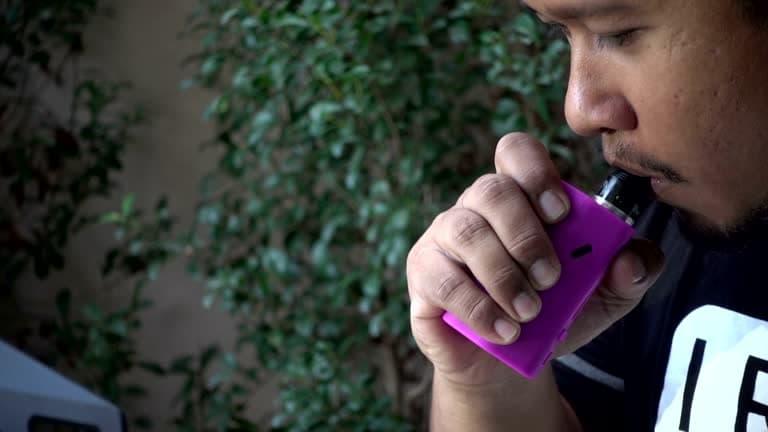
Most device-related incidents arise from improper battery handling, poor charging practices, or using incompatible accessories. To reduce risk: use manufacturer-recommended chargers, avoid overnight charging, store spare batteries in non-conductive containers, inspect devices regularly for damage, and never expose batteries to extreme heat. IBVAPE devices typically include safety features, but user vigilance is vital to prevent rare but serious events such as thermal runaway. If a battery becomes hot, swollen, or emits unusual smells, discontinue use immediately and follow local disposal guidance for lithium batteries.
Quality control, counterfeit risks, and how to buy wisely
Purchasing from authorized distributors or directly from the manufacturer reduces the chance of counterfeit products, mislabeled nicotine strengths, or contaminated e-liquids. IBVAPE customers should confirm batch testing certificates if available, read ingredient lists, and avoid products that lack transparency. Counterfeit or improperly stored e-liquids may contribute to unusual electronic cigarette side effects including allergic reactions or off-taste that signals spoilage or contamination.
Maintenance, cleaning, and storage tips to limit side effects
- Clean tanks and mouthpieces regularly to prevent build-up of residues that alter flavor and can harbor microbes.
- Replace coils and wicks per manufacturer guidance; burnt coils produce irritants linked to throat irritation and respiratory complaints.
- Store e-liquids away from direct sunlight and heat to preserve flavor stability and prevent degradation.
- Keep products locked and out of reach of children and pets to prevent accidental ingestion or nicotine poisoning.
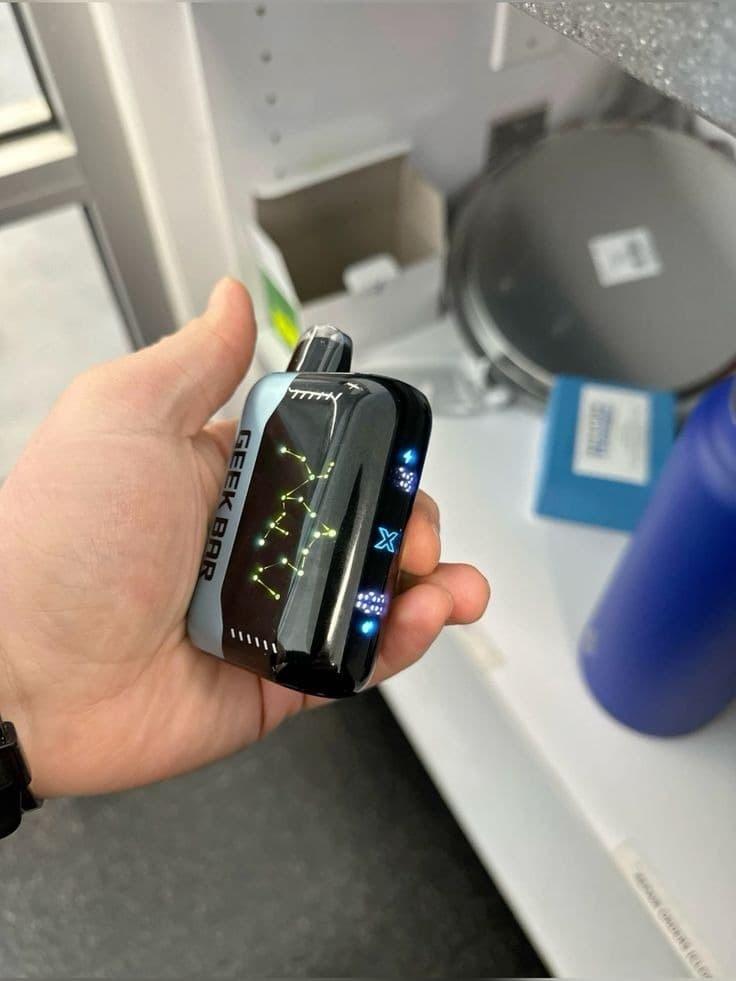
Small habits such as discarding partially used disposable pods after recommended timeframes, or labeling bottles with purchase dates, reduce the risk of degraded product use and potential electronic cigarette side effects.
Special populations: pregnancy, adolescents, and people with chronic conditions
Nicotine exposure during pregnancy is associated with harm to fetal development; pregnant people should avoid nicotine use and seek medical advice for cessation support. Adolescents and young adults are particularly vulnerable to nicotine dependence and developing brains; product access should be restricted and educational efforts emphasized. People with respiratory conditions, heart disease, or immunocompromised status should discuss vaping with their clinician before using IBVAPE products, as individualized risk assessments are important.
Signs of serious adverse events and when to seek help
Seek urgent medical attention if you experience severe shortness of breath, chest pain, fainting, seizures, or signs of severe allergic reaction such as facial swelling or difficulty breathing. For battery explosions or chemical exposures, prioritize safety, avoid skin contact with leaking liquids, and contact emergency services if burns occur.
Harm minimization: practical tips for everyday safer use
- Choose reputable e-liquids and known device brands like IBVAPE that publish safety data and ingredient lists.
- Start with conservative nicotine levels; avoid high-strength concentrations unless medically advised for cessation strategies.
- Take breaks between sessions to reduce throat dryness and nicotine spikes.
- Rotate between mouth-to-lung and direct-to-lung devices carefully; different inhalation styles influence dose and irritation.
- Maintain devices and batteries per instructions; replace damaged components promptly.
Applying these simple measures lowers the likelihood of experiencing common electronic cigarette side effects while preserving the intended benefits for people seeking an alternative to combustible tobacco.

When switching from cigarettes: managing expectations
Switching smokers may notice temporary changes in cough patterns, mucus production, or taste alterations as the body adapts. Some former smokers experience a period of increased coughing as the lungs clear particulate matter — this can be a normal part of recovery, but persistent or worsening symptoms should be evaluated by a clinician. An intentional approach to vaping, including selecting appropriate nicotine levels and device settings, improves the chance of a successful transition while minimizing adverse effects.
Environmental and social considerations
Respect local regulations and indoor air policies. Although secondhand aerosol generally contains fewer toxicants than combustible smoke, avoiding vaping near non-consenting individuals, children, or in enclosed public spaces is considerate and reduces potential exposure. Proper disposal of batteries and cartridges helps prevent environmental harm and community safety incidents.
Practical checklist for IBVAPE users to reduce electronic cigarette side effects
- Verify product authenticity and read packaging for ingredient transparency.
- Match nicotine strength to your goals and reduce gradually if aiming to quit.
- Hydrate and monitor for throat or airway irritation; switch PG/VG ratios if needed.
- Charge batteries with approved chargers and avoid overnight charging.
- Store e-liquids safely and out of reach of children and pets.
- Replace coils and consumables regularly to prevent burnt tastes and irritant exposure.
- Seek medical advice for persistent or severe symptoms.
Following a checklist like this supports ongoing safe use and lowers incidence of both acute and chronic electronic cigarette side effects.
Myths and facts: separating concern from evidence
Common myths include the idea that vaping is completely harmless or that all devices are the same. Evidence indicates reduced risk compared with combustible cigarettes for many toxicant exposures, but devices and e-liquids vary widely and carry their own profiles of risk. Choosing tested, reputable products such as those available through authorized IBVAPE channels and adhering to safety practices reduces these concerns.
How to report adverse effects and contribute to safer products
If you experience unexpected health problems or device malfunctions, report them to the manufacturer and relevant public health or consumer safety agencies. Companies like IBVAPE rely on consumer feedback to identify batch problems, adjust formulations, and improve safety communications. Contributing adverse event reports helps protect other users and informs regulation and quality control.
Summary: balanced approach to vaping safety
A balanced, informed approach recognizes that while e-cigarettes are not risk-free, many practical steps can substantially reduce the likelihood of harm. Prioritize product quality, appropriate nicotine selection, device maintenance, and awareness of personal health conditions. If your goal is cessation, combine product strategies with behavioral support. By staying informed and attentive, IBVAPE users can lower the chances of encountering troubling electronic cigarette side effects and make choices aligned with personal health goals.
Further reading and resources
For more granular details consult device manuals, official product safety notices, and peer-reviewed literature on inhalation toxicology. When in doubt, speak with healthcare professionals familiar with tobacco harm reduction and nicotine dependence management.
FAQ
- Q: Are the short-term reactions from vaping reversible?
- A: Most mild reactions such as throat irritation, dry mouth, or headaches are reversible with changes in nicotine strength, PG/VG ratio, or by reducing use. If symptoms persist, seek medical evaluation.
- Q: How can I reduce the risk of battery-related accidents?
- A: Use approved chargers, avoid exposing batteries to heat, keep spare batteries in non-metallic cases, and replace damaged cells promptly.
- Q: Does switching to e-cigarettes eliminate health risks completely?
- A: No. Switching often decreases exposure to combustion-related toxicants, but e-cigarettes carry their own set of risks. Informed product selection and safe use practices remain important.
By combining high-quality products, sensible user habits, and awareness of personal health, individuals who choose to vape can minimize the occurrence and severity of electronic cigarette side effects while pursuing their personal tobacco harm reduction goals with brands like IBVAPE.