A comprehensive walkthrough of modern vaping and the roots of today’s devices
This long-form guide explores the origins, technical progress, cultural shifts and regulatory responses that shaped the global rise of electronic nicotine delivery systems. Throughout the text you will find clearly highlighted target phrases such as E-Zigaretten and history of e cigarettes to help readers and search engines quickly recognize the central themes. The narrative is designed for curious consumers, historians of technology, public health students and SEO-minded content curators who want a well-structured reference that balances technical detail with accessible context.
Why this topic matters
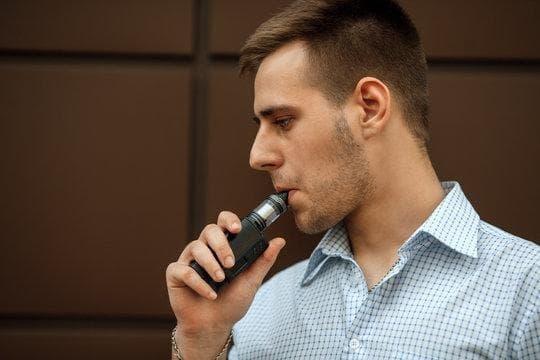
Understanding the evolution from first concepts to contemporary pod devices is essential for anyone who follows public health, market trends, or product design. The developmental arc of E-Zigaretten is not merely a story of gadgets: it reflects changing social attitudes toward nicotine, innovation in battery and fluid chemistry, and shifting regulatory philosophies across jurisdictions. The history of e cigarettes provides lessons in adoption curves, contamination of markets, and how consumer preferences drive rapid iterations of design.
Early concepts and prototypes
The idea of vaporizing nicotine and other substances for inhalation dates back well before the modern electronic device era. Inventors experimented with heating elements, atomizing liquids and pressurized systems long before compact lithium batteries and micro-engineered coils made portable vaporizers viable. The earliest documented patents and laboratory prototypes laid the technical foundations, including concepts such as wick-based liquid transport, resistive heating and basic air-flow control. These innovations were later adapted into commercially successful products that defined the first wave of E-Zigaretten offerings.
Key milestones
- Late 20th century: laboratory vaporization experiments and early patents.
- 2000s: first consumer-focused devices leveraging rechargeable batteries and refillable liquid reservoirs.
- 2010s: introduction of pod systems, nicotine salts and compact form factors.
- 2020s: refinement of safety standards, temperature control, and diverse flavor ecosystems.
From cigalikes to modular platforms
Early commercial products often mimicked the size and shape of conventional cigarettes—sometimes called “cigalikes.” They emphasized familiarity for smokers and aimed to replace traditional smoking rituals. As the market matured, innovators introduced larger devices with replaceable tanks, variable wattage, and rebuildable atomizers. This diversification led to distinct user segments: casual switchers interested in E-Zigaretten as an alternative to smoking, hobbyists focused on customization and cloud production, and trend-driven consumers attracted by flavours and sleek industrial design.
Technological leap: batteries, coils and e-liquid chemistry
Battery technology was a decisive enabler. The transition from disposable cells to high-capacity lithium-ion batteries allowed sustained power output and compact sizes. Coil design evolved from simple resistance wire to complex mesh and ceramic materials, offering more even heating and greater flavor fidelity. Meanwhile, e-liquid formulations introduced propylene glycol (PG), vegetable glycerin (VG), nicotine salts, and a wide palette of flavor chemicals. Each of these advances contributed to the mainstreaming of vaping and the varied experiences associated with different device classes.
Note: technological progress often outpaced regulation, producing benefits and new challenges simultaneously. The history of e cigarettes is as much about iterative design as it is about learning how to manage unintended consequences.
The cultural and market diffusion
Vaping culture developed its own vocabulary, events, and communities. Online forums, local vape shops and social media amplified product reviews, coil-building tutorials and flavor experiments. These communities accelerated innovation and informed consumer preferences, while also attracting attention from policymakers and health advocates. The market expanded rapidly with new brands entering and leaving, and with a constant stream of hardware and liquid innovations tailored to niches from discreet low-profile devices to elaborate cloud-chasing setups.
Health debates and scientific study
Public discussion around harms and benefits has been intense. Researchers have examined the history of e cigarettes to track patterns of initiation, cessation and dual use with combustible tobacco. Short-term exposure studies have assessed particulate matter and chemical byproducts of vaporization, while long-term epidemiological data is still emerging due to the relative youth of the technology. Policy makers and clinicians often must balance potential harm reduction for adult smokers against the risk of youth initiation. The evidence base continues to refine as better longitudinal studies and improved measurement methods become available.
Regulatory responses and legal landscapes
Different countries have taken divergent approaches to regulating E-Zigaretten. Some jurisdictions framed them as consumer products with limited restrictions, others applied tobacco-like controls on flavors, advertising and sale channels, while several moved to ban specific devices or nicotine concentrations. Regulatory debates typically center on advertising standards, youth access prevention, taxation policy and product safety standards such as battery and atomizer testing. The history of e cigarettes shows that regulation often follows adoption waves, with policy adjustments triggered by perceived risks or public health priorities.
Design, safety and quality standards
Over time, manufacturers and standards bodies have emphasized robust manufacturing practices to mitigate risks: improved battery protection circuits, CE/FCC/UL-like certifications, child-resistant packaging, and consistent labeling of nicotine content. These measures aim to reduce accidental exposures, overheating incidents, and substandard materials. Consumers are encouraged to buy from reputable vendors and to follow manufacturer guidance on charging, coil replacement, and e-liquid storage to minimize hazards.
Practical guidance for consumers
For those considering switching from smoking or exploring vaping, a few practical steps improve safety and satisfaction: choose devices from reputable manufacturers; understand nicotine strengths and how they relate to typical cigarette consumption; learn basic maintenance like coil changes and battery care; and seek flavors and device types that support gradual reduction if that is a goal. Retailers and community educators play a helpful role in teaching device hygiene and safe practices.
Quick checklist
- Identify your goals: cessation, reduction, or social use.
- Select an appropriate device class: starter pod vs advanced mod.
- Match nicotine form and concentration to prior cigarette intake (consider nicotine salts for smoother high-concentration options).
- Adopt safe charging and storage habits.
- Record changes in cravings and respiratory symptoms to evaluate progress.
Environmental and disposal considerations
Battery and e-liquid waste raise environmental questions. Proper disposal of lithium batteries through designated recycling channels prevents hazardous material release; residual e-liquid should be handled per local hazardous waste guidelines. The industry and consumers alike can reduce environmental impact through recycling programs, refill systems and longer-lasting device principles.
Market trends and innovation trajectories
Recent innovations focus on flavor fidelity, temperature control, leak-resistant tank systems, and integrated health-conscious features such as puff counters and child-safety locks. The marketplace leans toward miniaturization and convenience without sacrificing flavor or nicotine delivery efficiency. Companies also experiment with alternative compounds, such as nicotine-free flavored aerosols for adult enjoyment or formulations intended for nicotine replacement therapy under clinical oversight.
Lessons from the past and what the future might hold
The history of e cigarettes emphasizes a few recurring lessons: rapid technological uptake often precedes regulation; user communities exert strong influence on product evolution; interdisciplinary research is essential for informed public policy; and transparent industry practices build consumer trust. Looking forward, expect smarter devices, better-integrated harm-reduction strategies in public health, and ongoing legal refinement to balance adult access and youth protection.
How to read research and media coverage
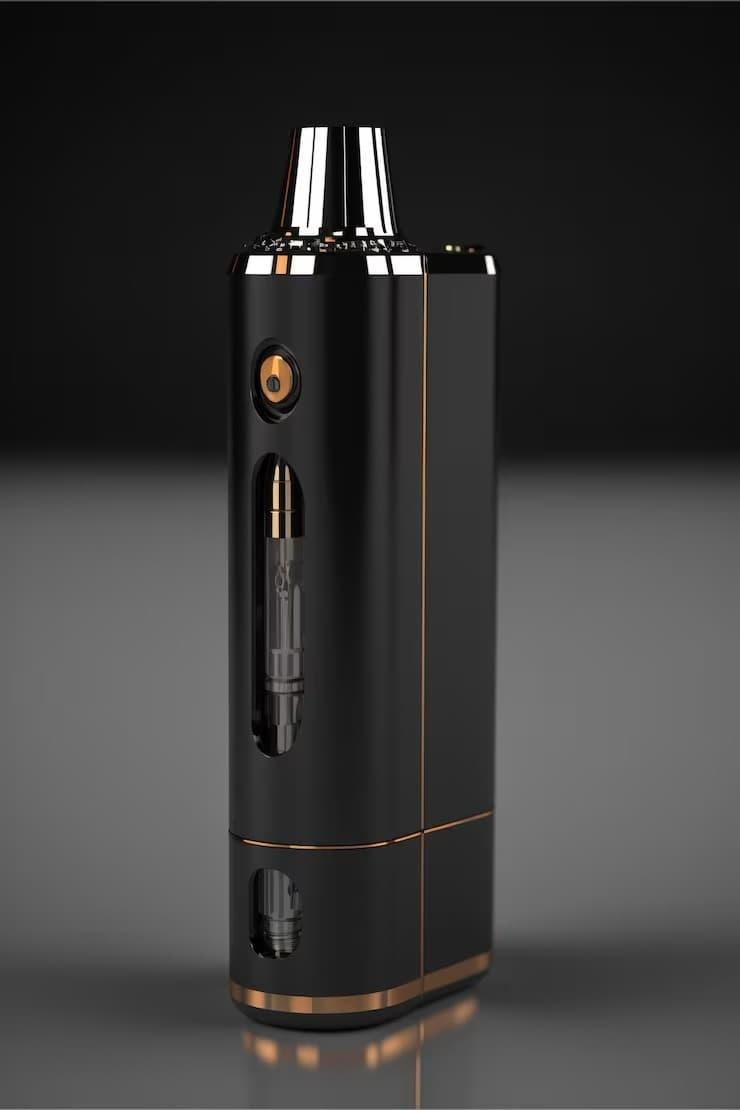
When evaluating headlines and studies, pay attention to methodology, funding sources, sample size and the distinction between short-term exposures and long-term health outcomes. Systematic reviews and meta-analyses provide broader perspectives, while randomized controlled trials are the gold standard for cessation efficacy. Media coverage often simplifies nuanced findings—critical reading helps separate urgent warnings from evolving scientific consensus.
Glossary of common terms
- E-liquid: solution containing flavorings, PG/VG, and optionally nicotine.
- Mod: a device with adjustable power and advanced features.
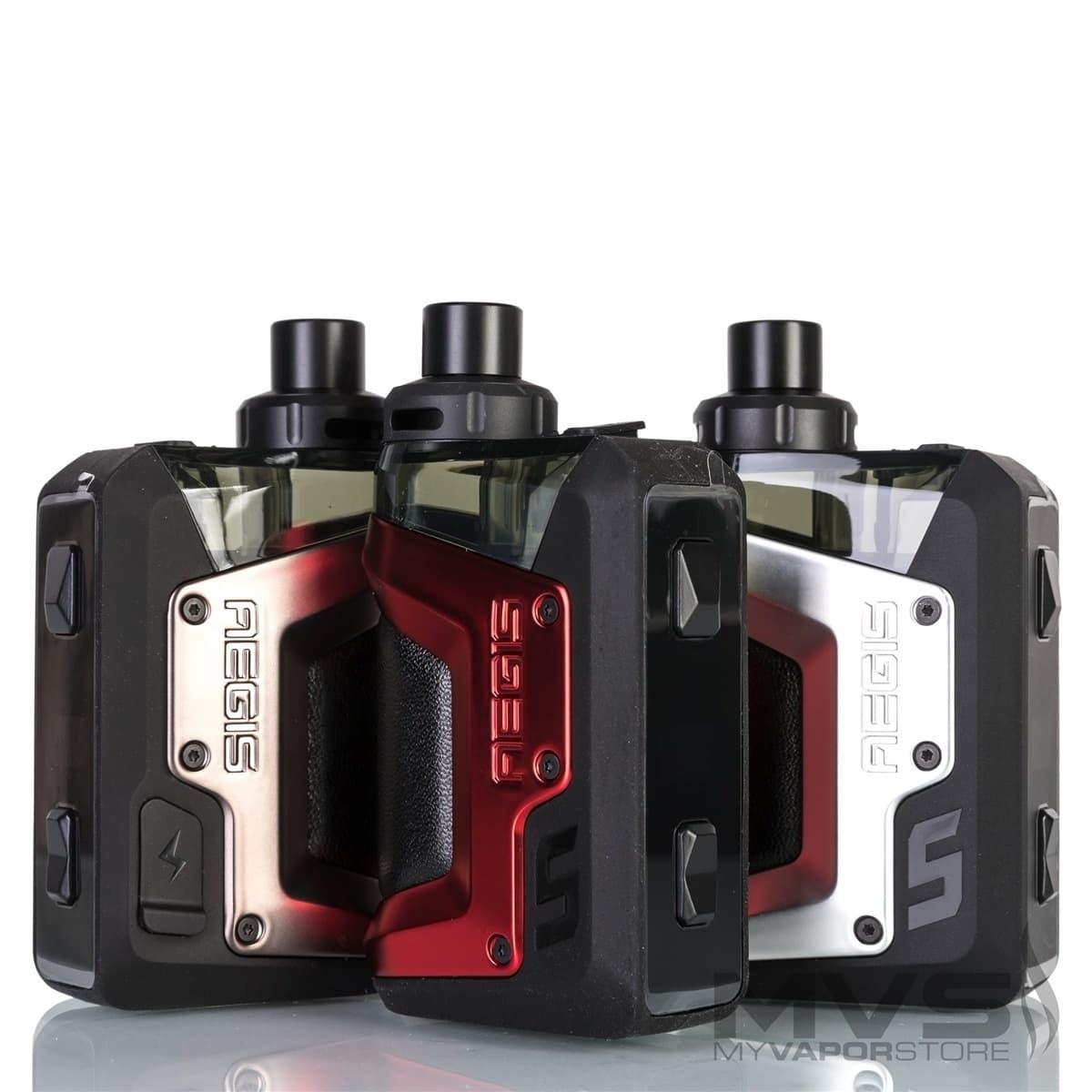
- Pod system: compact closed- or refillable-cartridge device.
- Nicotine salts: a form of nicotine designed for smoother inhalation at higher concentrations.
Conclusion
This guide has mapped a broad arc from early prototypes to contemporary devices and the societal conversations they inspired. By centering both technological detail and public policy context, readers can better appreciate why E-Zigaretten are more than gadgets—they’re catalysts for debates about addiction, harm reduction and consumer choice. The ongoing history of e cigarettes will be written by researchers, regulators, manufacturers and users, each contributing to a complex, evolving narrative.
Further reading and resources
To stay current, consult peer-reviewed journals in tobacco control and public health, official regulatory guidance from national agencies, and reputable consumer safety organizations. Engaging with manufacturer technical sheets and independent product testing reports will also provide practical insight into device specifications and safety considerations.
Frequently Asked Questions
Q: Are E-Zigaretten safer than traditional cigarettes?
A: Evidence suggests that vaporizing nicotine typically reduces exposure to many combustion-related toxins, but “safer” does not mean harmless; absolute safety depends on product quality, user behavior and long-term exposure patterns.
Q: How did the modern vaping industry emerge so quickly?
A: A confluence of cheaper rechargeable batteries, advances in materials for atomizers and a growing online community accelerated iterative improvements, enabling fast market expansion in the early 2010s.
Q: What should a new user consider when choosing a device?
A: Consider your nicotine goals, desired form factor, maintenance willingness, and prioritize vendors who provide clear safety information and warranty policies.