Understanding the Link Between Modern Vaping Devices and Chemical Exposure
The rapid rise of nicotine delivery through novel devices has spurred urgent questions about composition and risk. This article examines how devices commonly known across Europe and beyond as e-papierosy interact with ingredients to create potential harm, and why concerns about e cigarette dangerous chemicals are central to public health conversations. We explore mechanisms of aerosol formation, pathways of exposure, the most important chemical culprits, what current science says about short- and long-term health impacts, and practical strategies to reduce risk.
How device design determines chemical exposure
At the heart of exposure is a physical process: heating a liquid to produce an inhalable aerosol. Different device types — from closed pod systems to refillable tanks and modular units — influence temperatures, wicking efficiency, and the stability of the e-liquid components. These operational variables shape the formation and release of unwanted compounds. When discussing device-related risks, it’s important to identify how design choices modify chemical outcomes.
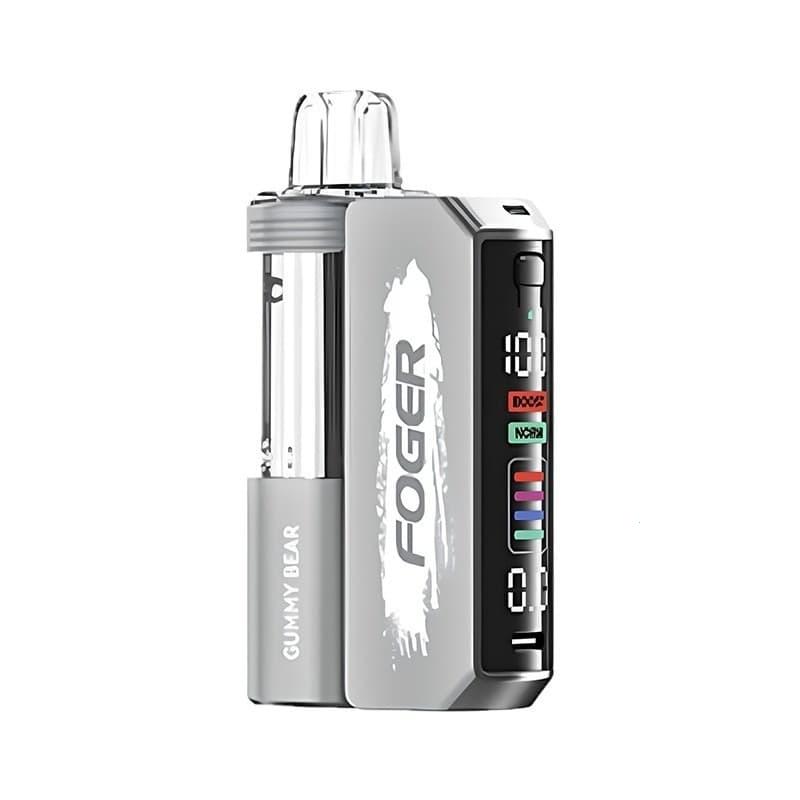
Heating elements and temperature control
Coil composition (kanthal, nichrome, stainless steel, or ceramic), wattage settings, and airflow alter the thermal profile. High temperatures may break down solvents and flavorings into reactive intermediates. Studies repeatedly highlight that overheating or “dry puffs” can produce higher amounts of thermal decomposition products. Manufacturers that emphasize variable voltage or high-power settings without clear consumer guidance increase the likelihood of exposure to e cigarette dangerous chemicals.
Liquid formulation and additives
Common base solvents like propylene glycol (PG) and vegetable glycerin (VG) are generally safe for ingestion but can form different by-products when heated. Nicotine concentration, salt formulations (nicotine salts vs freebase), and a vast and growing catalogue of flavor chemicals introduce complexity. Flavorants—fruity, creamy, or dessert-like compounds—are often created for palatability but can be chemically reactive. Some flavor molecules contain aldehydes or reactive esters that can yield toxic carbonyls under thermal stress.
Which chemicals are most concerning?
When evaluating the label phrase e-papierosy from a consumer-safety standpoint, the most frequently cited groups of hazardous by-products include carbonyls (formaldehyde, acetaldehyde, acrolein), volatile organic compounds (VOCs), toxic metals leached from heating elements, and ultrafine particulate matter. Each group has distinct toxicological profiles and exposure dynamics.
Carbonyl compounds
Formaldehyde and acetaldehyde are recognized carcinogens and probable carcinogens, respectively. They are formed by oxidation of solvents or flavor molecules under heat. Acrolein—an irritant linked to pulmonary damage—is another thermal decomposition product frequently detected in aerosols. The amount formed depends on device voltage, coil condition, and liquid composition.
Metals and inorganic contaminants
Nickel, chromium, lead, tin, and manganese have been identified in aerosol condensates and pod fluid analyses. These particles can originate from coil corrosion, solder joints, or cartridge components. Because metals can catalyze further chemical reactions and cause direct toxicity to lung tissue and systemic organs after inhalation, their presence is a serious concern for anyone using e-papierosy products regularly.
Particulate matter and ultrafines
Even without recognizable chemical odors, aerosols carry ultrafine particles that penetrate deep into the respiratory alveoli. These particles can carry adsorbed toxins, provoke inflammatory responses, and worsen cardiovascular risk. Focusing solely on known molecules misses the synergistic damage of particles plus adsorbed chemicals.
Pathways of exposure and real-world considerations
Inhalation is the primary route, but dermal and oral exposure can occur through spills, leaky cartridges, or hand-to-mouth contact. Children and pets are at particular risk from accidental ingestion of concentrated e-liquids. Secondary exposure—commonly called secondhand aerosol—poses lower but non-negligible risks to bystanders, especially in enclosed spaces.
Frequency and intensity matter
Exposure is a function of concentration per puff and number of puffs per day. Someone who takes frequent, deep inhalations from a high-wattage device will accumulate vastly greater doses of e cigarette dangerous chemicals than an occasional user. Chronicity compounds risk — repetitive exposure may lead to sustained inflammation, impaired repair mechanisms, and greater probability of longer-term diseases.
Behavioral patterns and risk amplification
Patterns such as chain puffing, modifying coils, or using illicit high-nicotine salts can magnify exposure. Mislabelled or counterfeit cartridges may contain undisclosed substances, including extremely high nicotine or illicit adulterants. Many users are unaware that flavorings labeled as “natural” are not necessarily safer when vaporized.
What the evidence says about health outcomes
The literature is evolving. Short-term studies show acute airway irritation, transient changes in lung function, and markers of inflammation after e-cigarette use. Case reports document severe lung injury linked to adulterated products or vitamin E acetate in certain illicit THC cartridges — though that specific mechanism does not represent all devices. Long-term epidemiological data are still limited but growing, with concerning signals for respiratory symptoms, cardiovascular markers, and potential cancer risk from chronic exposure to e cigarette dangerous chemicals.
Respiratory system impacts
Repeated inhalation exposure can impair mucociliary clearance, increase susceptibility to infections, and induce chronic bronchitic symptoms. Biomarkers of oxidative stress and inflammation rise in many vapers compared with never-users. Vulnerable groups with pre-existing asthma or COPD appear to experience worsened control when using aerosols that contain reactive chemicals.
Cardiovascular consequences
Nicotine has well-characterized sympathomimetic effects—elevating heart rate and blood pressure acutely. Combined with oxidative stress from inorganic and organic aerosol constituents, these exposures may accelerate endothelial dysfunction and increase long-term cardiovascular risk. While risk magnitude relative to combustible tobacco is debated, e-papierosy exposure is not free of cardiovascular effects.
Vulnerable populations and special concerns
Young people, pregnant individuals, people with chronic respiratory or cardiovascular disease, and occupationally exposed workers are disproportionately affected. Nicotine exposure during adolescence can alter brain development. Pregnant users expose the developing fetus to nicotine and other chemicals, which can influence fetal growth and long-term neurodevelopmental outcomes.
Reducing exposure: practical approaches
For users and policy-makers, risk reduction centers on three strategies: product selection, behavior modification, and environmental controls. Choosing devices with temperature control and reputable manufacturing reduces the chance of coil degradation and overheating. Avoiding flavored liquids with unknown ingredients or evidence of instability under heat lowers chemical formation. Users should avoid modifying devices or using cartridges sourced from informal markets.
- Device maintenance: replace coils and wicks regularly, use manufacturer-recommended components.
- Power management: avoid high-wattage settings that exceed coil specifications.
- Liquid choices:
 prefer nicotine concentrations and solvent blends with transparent testing and certifications.
 - Safe storage: keep liquids out of reach of children and pets; clean spills promptly to prevent dermal exposure.
What clinicians and public health officials can do
Clinicians should screen for vaping behaviors, counsel on exposure reduction, and treat symptoms of airway inflammation or nicotine dependence. Public health initiatives that fund independent chemical testing, labelling standards, and restrictions on flavored additives can help mitigate population-level exposure to e cigarette dangerous chemicals.
Regulatory and research priorities
Robust product testing, mandatory ingredient disclosure, and post-market surveillance are essential. Regulators should prioritize testing under realistic use conditions (including variable wattage and real-user puffing profiles) to assess the true generation of harmful compounds. Research needs include long-term cohort studies, mechanistic toxicology to identify causal pathways, and standardized analytical approaches so results are comparable across studies.
Bridging knowledge gaps
Key questions remain: which specific flavorant classes pose the greatest risks when heated, how do metal particulates interact biologically with organic carbonyls, and what is the dose-response relationship for chronic low-level exposure? Addressing these gaps will refine risk communication and inform product standards for e-papierosy markets worldwide.
Common misconceptions and evidence-based clarifications
Myth: Vapor is just “harmless water vapor.”
Reality: Aerosols contain solvents, nicotine, flavorants, metals, and thermal degradation products that have biological activity. Labeling the aerosol as benign dismisses complex chemistry.
Myth: All products on the market are equally safe.
Reality: Product variability is huge; legitimate manufacturers with third-party testing differ markedly from illicit or counterfeit suppliers.
Communicating nuanced risk
For public messaging, avoid absolute claims like “safe” or “safe alternative” and instead emphasize relative risks and uncertainty. For those using to quit combustible cigarettes, clinicians should discuss evidence-based cessation aids and weigh harm reduction decisions individually, acknowledging the exposure to e cigarette dangerous chemicals even when risks differ from smoking.
Practical checklist for minimizing personal risk
Follow these actionable steps: choose tested products, avoid high-power settings, do not modify devices, discard suspicious cartridges, store e-liquids safely, and seek medical advice if you experience persistent cough, chest pain, or systematic symptoms. Employers and venue operators should adopt indoor-use restrictions to protect bystanders.
Final reflections
The term e-papierosy encompasses a wide spectrum of products, each with its own potential for generating harmful chemicals. While these devices may have roles in nicotine substitution policies, they are not free from chemical risks. As evidence accumulates about e cigarette dangerous chemicals and their health impacts, responsible regulation, transparent manufacturing practices, and informed user behavior will be the most effective tools to limit avoidable harm.
FAQ
Q: Are all flavors equally risky when vaporized?
A: No. Chemical composition matters; some flavor classes (like buttery diacetyl-containing blends) form more hazardous by-products when heated. Independent testing can help identify safer options, but many flavorings lack inhalation safety data.
Q: Can metals in aerosol be avoided?
A: Risks can be reduced by using high-quality devices, replacing coils regularly, and avoiding damaged or improvised hardware. However, zero-metal emissions are unlikely; the goal is to minimize exposure through quality control.
Q: Is occasional vaping harmless?
A: Occasional use reduces cumulative exposure but does not eliminate acute risks such as airway irritation or transient cardiovascular effects. For young people and pregnant individuals, any exposure carries concern.