Understanding vaping: a practical, evidence-focused guide for concerned users
Overview — why people search “Vape” and “how many chemicals are in e cigarettes”
This comprehensive guide is written for curious, cautious and health-aware people who type queries like Vape into search engines or ask specifically how many chemicals are in e cigarettes. The goal is to explain what typically makes up e-liquids and aerosols, what scientific testing has revealed about contaminants and byproducts, and practical steps for risk awareness and reduction. This page uses current research summaries, testing approaches and regulatory perspectives to help readers reach informed conclusions rather than simplistic answers.
Quick summary: headline findings
- Vape products vary enormously by manufacturer, formulation and user behavior — there is no single universal composition.
- Most commercial e-liquids contain a short list of primary ingredients (propylene glycol, vegetable glycerin, nicotine and flavorings) and hundreds of trace chemicals can appear depending on flavor additives and device operation.
- When people ask how many chemicals are in e cigarettes, the practical answer is: it depends — sensitive lab methods detect dozens to hundreds of distinct chemical species across liquids and aerosols.
- Risk is influenced by dose, frequency, device temperature, impurities and user choices. Harm reduction approaches reduce exposures but do not eliminate uncertainty.
Core components of most e-liquids
Vape liquids typically contain a small number of base components that serve distinct functions: glycerol (vegetable glycerin, VG) for vapor generation and sweetness; propylene glycol (PG) for throat hit and carrier properties; nicotine in varying concentrations; and chemical flavorings to produce fruit, dessert, menthol and other sensory profiles. These primary ingredients are generally stated on product labels when products are produced by reputable manufacturers, but the concentration and purity vary widely.
Primary categories
- Bulking and aerosol-forming solvents: propylene glycol (PG) and vegetable glycerin (VG)
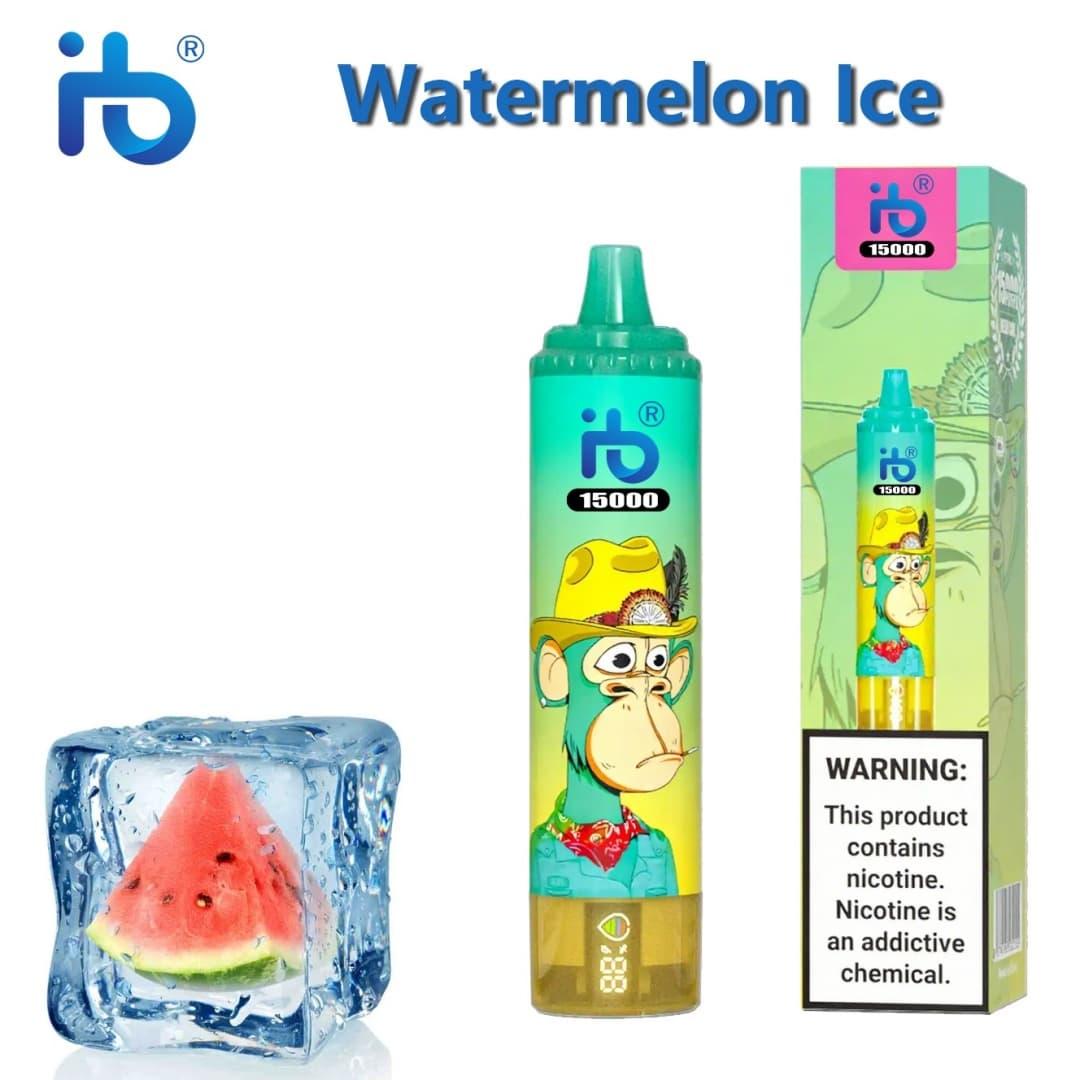
- Active agent: nicotine (freebase or nicotine salts)
- Flavoring compounds: single molecules or complex mixtures (esters, aldehydes, ketones, terpenes)
- Soluble additives: acids, bases, water, sweeteners and minor stabilizers
Each class can contain dozens of distinct chemicals when flavoring mixtures are broken down by modern analytical chemistry.

Analytical findings: counts, categories and context
When laboratories analyze e-liquids and the aerosol produced by Vape devices, they use sensitive instruments such as gas chromatography–mass spectrometry (GC-MS), liquid chromatography–mass spectrometry (LC-MS) and inductively coupled plasma mass spectrometry (ICP-MS) for metals. These methods can identify volatile organic compounds (VOCs), carbonyls (like formaldehyde and acetaldehyde), small organic acids, flavoring-derived chemicals, nitrosamines and metals. Reporting varies: some studies list dozens of detected compounds, others report well over one hundred distinct analytes across multiple samples. Therefore, answering how many chemicals are in e cigarettes requires framing: a single sample might show tens of compounds; survey studies testing many brands often document hundreds of unique chemicals across products.
Commonly detected chemical groups
The following groups frequently appear in peer-reviewed analyses of e-liquids and aerosols:
- Carbonyls: formaldehyde, acetaldehyde, acrolein (formed by thermal decomposition of VG/PG at high temperatures)
- Volatile organic compounds: benzene, toluene and other VOCs sometimes found at trace levels or as contaminants
- Flavoring aldehydes and ketones: vanillin, cinnamaldehyde, benzaldehyde and hundreds of terpenes and esters used for flavor
- Nitrosamines: tobacco-specific nitrosamines (TSNAs) can be present at low levels depending on nicotine source
- Metals: nickel, chromium, lead, tin and copper have been detected at varying concentrations, typically from device components or solder
- Particulate matter: ultrafine aerosols deliver semi-volatile and non-volatile droplets deep into the lungs
Specific notable chemicals and concerns
Health-focused papers often highlight a subset of chemicals because of known toxicology or regulatory interest. These include:
- Formaldehyde and acetaldehyde: irritants and potential carcinogens formed under overheating conditions.
- Acrolein: a respiratory irritant linked to lung injury in animal and cellular models when generated by glycerol decomposition.
- Cinnamaldehyde and other flavoring aldehydes: shown in some studies to impair cellular function in vitro and modulate immune responses.
- Heavy metals: chronic exposure to certain metals is associated with systemic health risks; device wear and corrosion can leach metals into aerosols.
- TSNAs and other trace tobacco-derived compounds: typically lower than cigarette smoke but detectable depending on nicotine source.
It is essential to avoid simplistic equivalences between e-cigarette aerosols and cigarette smoke — both contain chemicals of concern, but the concentrations, chemical mixes and patterns of exposure differ.
How laboratory reports answer “how many chemicals are in e cigarettes”
When a consumer or regulator asks how many chemicals are in a given e-cigarette product, the correct approach is to request a certificate of analysis (COA) from an accredited lab. A COA will list tested analytes and their measured concentrations. Labs typically test for panels of VOCs, carbonyls, metals and known flavoring compounds. Across hundreds of products, aggregating COAs yields large lists of unique chemicals — hence the frequent conclusion that “hundreds” of chemicals can be identified across the category, while a single e-liquid may contain far fewer compounds at measurable concentrations.
Interpreting presence versus risk
Detection does not automatically equate to meaningful health risk. Toxicological risk depends on concentration, exposure frequency, and the biological potency of the chemical. For example, flavoring compounds may be safe for ingestion at low doses but not necessarily safe when inhaled repeatedly — inhalation toxicology can differ from oral toxicity. Therefore, users asking how many chemicals are in e cigarettes should also ask “at what concentrations and with what frequency am I exposed?”
Presence ≠ automatic hazard: dose matters, but absence of long-term inhalation data for many flavorings is a valid concern.
Regulatory and industry responses
Governments and health agencies have responded to uncertainty by regulating ingredients, setting limits on heavy metals and banning certain contaminants. Some jurisdictions mandate ingredient listing, product testing and age restrictions. Manufacturers who follow good manufacturing practices and provide third-party COAs reduce consumer uncertainty. When assessing a product, check for:
- Transparent ingredient lists
- Third-party testing and certificates of analysis
- Manufacturing controls and traceability
Practical guidance for concerned users
If you are concerned about the mix of chemicals and want to reduce potential harms while understanding what you inhale, consider these steps:
- Choose reputable brands that publish Certificates of Analysis for liquids and components.
- Avoid unregulated mixes and homemade “DIY” juices unless you have skills and lab support; contamination risk is higher.
- Prefer products with simple ingredient lists — lower complexity tends to reduce the number of unique chemicals present.
- Use temperature-control devices and avoid extreme power settings that can produce thermal degradation products such as formaldehyde.
- Replace coils and wicks at recommended intervals to reduce metal leaching and decomposition of residual compounds.
- Store liquids in cool, dark conditions to limit formation of degradation products and preserve product stability.
- Consider nicotine replacement therapy if your goal is to cease nicotine use — discuss this option with a healthcare provider.
Research gaps and ongoing questions
Science continues to refine answers to “how many chemicals are in e cigarettes” and what they mean for health. Key research needs include long-term prospective studies of health outcomes in defined user groups, inhalation toxicology for common flavoring agents, better standardized testing protocols that replicate real-world use patterns, and comprehensive surveillance of unregulated product markets. Until these gaps are closed, prudent consumer behavior focused on transparency, lower temperatures and fewer additives reduces some uncertain risks.
Practical checklist for evaluating a product
Use this checklist to evaluate an e-cigarette or e-liquid before using it:
- Does the label clearly list main ingredients?
- Is there an available certificate of analysis from an accredited lab for the specific batch?
- Are heavy metals and carbonyls included in the test panel?
- Does the device include temperature control or safety cutoffs?
- Is the manufacturer responsive to consumer safety queries?
Common myths and clarifications
Myth: “All e-cigarettes are harmless because they don’t have tobacco combustion.” Clarification: Combustion elimination removes many toxicants present in smoke, but aerosols still deliver nicotine and other chemicals; risk is product- and behavior-dependent.
Myth: “If a chemical is present in tiny amounts it’s impossible to be harmful.” Clarification: Some toxins have effects at low doses or accumulate over time; context matters.
Myth: “Flavorings are safe because they are food-grade.” Clarification: Safety for ingestion does not guarantee inhalation safety.
How researchers and regulators count chemicals
Counting chemicals is a multi-step process: selecting target panels, running non-targeted screening, confirming identities and quantifying concentrations. Non-targeted screening can reveal many unexpected peaks that correspond to unknowns; when confirmed, these increase the catalog of chemicals associated with e-cigarette aerosols. Thus a systematic survey across brands often yields cumulative lists of hundreds of unique chemicals, even though the typical single-product profile remains more limited.
Consumer questions to prioritize
When evaluating “Vape” claims or wondering how many chemicals are in e cigarettes, prioritize these questions:
- What specific chemicals were tested and at what limits of detection?
- Were the tests performed on the liquid, the aerosol, or both?
- Were typical user settings reproduced (power, duration, coil type) in aerosol generation?
- Is the product subject to regulatory oversight and batch testing?
Where to find trustworthy information
Good sources include peer-reviewed journals, government health agencies, accredited testing laboratories and transparent manufacturers who publish COAs. Be cautious of marketing claims that employ absolutes; instead, look for data and methodology behind claims.
Message for clinicians and public health professionals
Provide balanced counseling that acknowledges reduced chemical exposures compared with combustible cigarettes for many patterns of use, while emphasizing uncertainties about long-term inhalation of many flavoring compounds and metal exposures. Encourage product transparency, labeling and access to testing data.
 Vape and how many chemicals are in e cigarettes revealed for concerned users” />
Concluding guidance
When people search Vape or ask how many chemicals are in e cigarettes, the most useful answer is nuanced: the number of chemicals detected depends on testing scope and product diversity. Single products usually contain a manageable list of main ingredients plus a range of flavoring molecules; aggregated surveys across many products reveal many more unique chemicals. Prioritize products with transparent testing, avoid extreme power settings, maintain devices, and consult health professionals about nicotine dependence and cessation if appropriate.
References and further reading suggestions
For readers who want deeper technical detail, seek peer-reviewed reviews on e-cigarette aerosol chemistry, method comparisons for carbonyl detection, and public health risk assessments. Look for systematic reviews and laboratory methodology papers that describe detection limits and device simulation techniques.
FAQ
Q1: Exactly how many chemicals are in a typical e-liquid?
A1: A typical commercial e-liquid lists a few primary ingredients and may contain several dozen identifiable flavoring molecules when tested. Across many products, hundreds of unique chemicals have been detected, but one product rarely contains all of them.
Q2: Are the chemicals found in e-cigarettes as dangerous as those in cigarette smoke?
A2: Cigarette smoke contains thousands of compounds produced by combustion and includes many high-concern toxicants; e-cigarette aerosols generally have fewer and different chemicals. That does not imply they are harmless — risks differ by chemical identity, concentration and exposure pattern.
Q3: What should a concerned user look for on product labeling?
A3: Look for full ingredient lists, nicotine concentration, batch numbers and access to third-party certificates of analysis (COAs). Avoid products that refuse to provide testing information.