Independent assessment of 35000 Züge Vapes|risk factors of e cigarettes
This comprehensive consumer-oriented review examines device design, ingredient chemistry, usage behaviors, and the most relevant known and potential 35000 Züge Vapes|risk factors of e cigarettes that every adult user should consider before purchase and during everyday use. The goal is to provide clear, balanced, and actionable guidance for people looking to reduce harms, compare products, and make informed choices.
Overview: product category and what to expect
The modern vaping landscape includes disposable systems, pod mods, refillable tanks, and bespoke rebuildable devices. Among these, some devices present relatively stable performance while others, including ultra-high-draw or poorly-regulated disposables, raise specific safety questions. When researching a product such as a high-count disposable brand or any emerging label, consumers should evaluate engineering quality, ingredient transparency, and explicit testing information. Repeatedly searching for key markers like 35000 Züge Vapes|risk factors of e cigarettes within product pages, third-party lab reports, and independent reviews can increase your confidence in the item you select.
Chemical and inhalation risk factors
Understanding inhalation toxicology is central to assessing risk factors of e cigarettes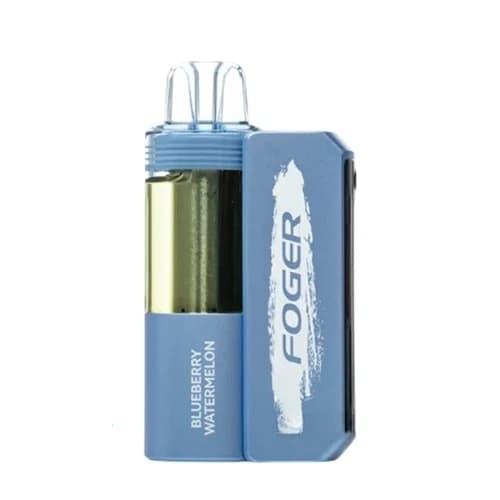 . E-liquids typically contain propylene glycol (PG), vegetable glycerin (VG), nicotine of varying concentrations, and flavorants. While many of these compounds are food-safe, inhalation exposes lung tissue to aerosols that can behave differently. Key chemical concerns include:
- Nicotine concentration and addiction: High-nicotine formulations increase dependence risk, acute cardiovascular stress, and can complicate cessation goals.
- Aldehydes: Formaldehyde and acetaldehyde can form during high-temperature heating, especially with dry coil conditions or excessive wattage.
- Carbonyl compounds: Acrolein and other irritants may originate from glycerin or flavorant decomposition.
- Flavoring chemicals: Diacetyl and related diketones linked to bronchiolitis obliterans in occupational settings have been detected in some flavored e-liquids. While many manufacturers avoid known high-risk agents, absence of disclosure is a red flag.
- Metals: Trace metals such as nickel, lead, chromium, and tin can transfer from coils and heating elements into aerosol depending on construction, corrosion, and temperature.
How these chemical risks interact with device types
Disposable devices or those with fixed coil assemblies and no user controls may be more likely to run at suboptimal temperatures, increasing the potential for harmful byproduct formation. Rebuildable devices allow user control but require knowledge and careful use to avoid dry hits or overheating. Regardless of format, awareness of these risk factors of e cigarettes is crucial for harm reduction.
Battery and electrical hazards
Battery safety is a technical but essential dimension of overall product risk. Lithium-ion cells used in many vaping systems can fail due to manufacturing defects, physical damage, or improper charging, leading to overheating, venting, and in rare cases, combustion. Practical precautions include using manufacturer-specified chargers, avoiding exposure to high temperatures, and inspecting for signs of damage. Devices with built-in protection circuitry and reputable cell sourcing reduce but do not eliminate battery-related dangers.
Design, materials, and mechanical reliability
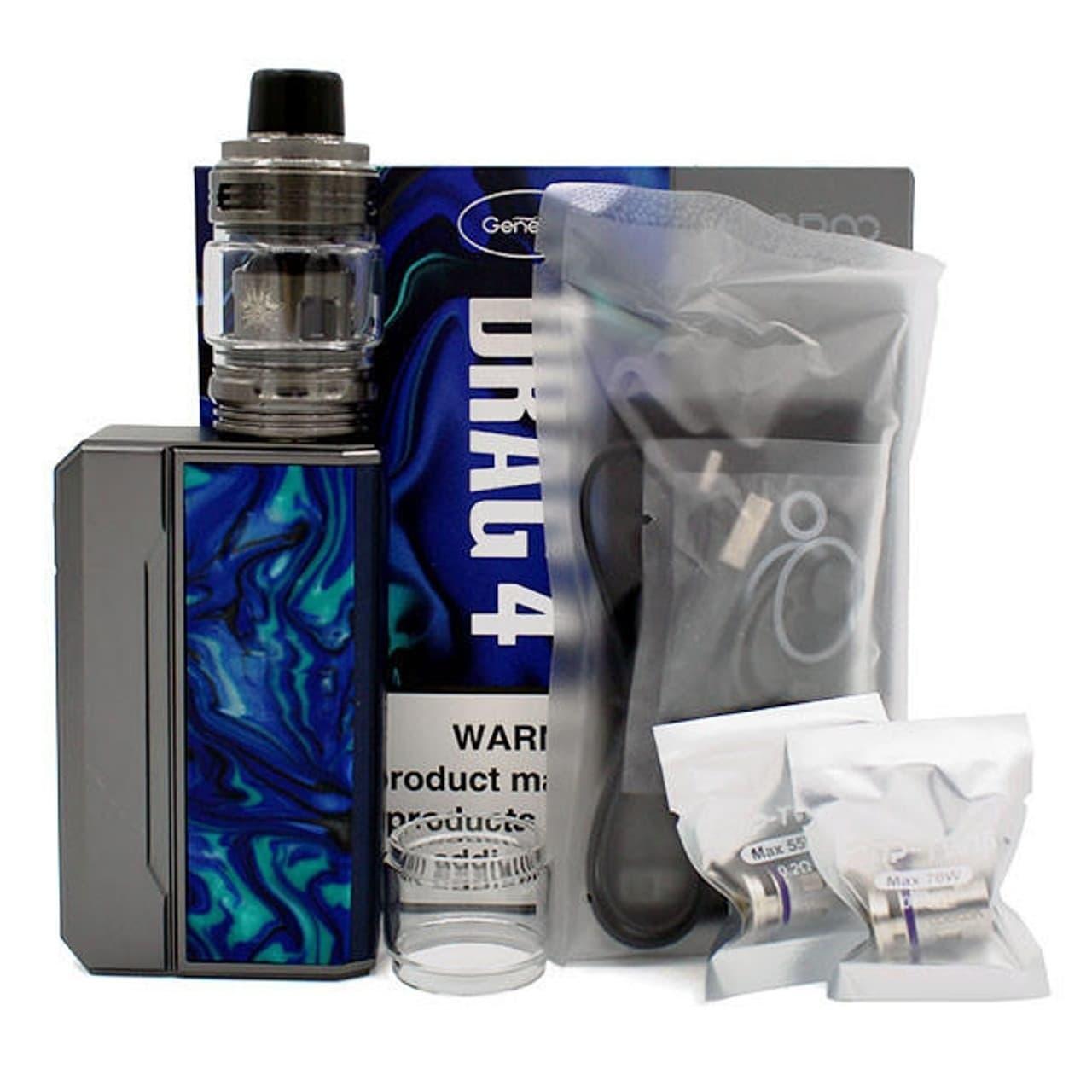
Material selection (plastics, metals, and sealants), tank and drip tip design, and coil assembly influence both user experience and safety. Poorly sealed tanks can leak, increasing spill exposure to nicotine and contaminant risk. Metal wettability and surface finishes affect corrosion and metal transfer. When evaluating a product, look for clarity about materials, compliance with consumer product safety standards, and third-party testing.
Quality control, testing, and labeling: what to demand
Reliable manufacturers publish Certificates of Analysis (CoAs), testing for nicotine concentration, residual solvents, contaminants, and ideally aerosol emissions. Absence of CoAs, opaque supply chains, or unverifiable claims (e.g., “lab tested” with no lab name) should prompt caution. For transparency-focused shopping, search web content and product pages for terms like 35000 Züge Vapes|risk factors of e cigarettes along with “CoA”, “third-party lab”, and “batch number”.
User behavior and exposure patterns that increase risk
Behavioral factors matter as much as product specs. Examples of high-risk behaviors include chain-vaping (continuous use without adequate cool-down), using incompatible chargers, customizing coils with novice-level knowledge, and mixing homemade solutions without precise measurement of nicotine and solvents. Each behavior can amplify exposure to chemical byproducts, nicotine, or mechanical failure.
Special populations: youth, pregnancy, and comorbidities
Young people, pregnant persons, and those with pre-existing respiratory or cardiovascular disease are at higher risk from e-cigarette exposure. Nicotine adversely affects adolescent brain development, and aerosol constituents may worsen asthma or other lung conditions. Public health guidance generally advises that non-smokers, pregnant people, and youth should avoid e-cigarette use entirely.
Secondhand aerosol and indoor air quality
While e-cigarette aerosol disperses differently than tobacco smoke, it contains particulates and volatile compounds that can affect indoor air. Evaluating exposure risk for household members, particularly vulnerable individuals, is an important part of a comprehensive safety plan.
How to reduce risks: practical consumer checklist
Below is a prioritized checklist to help reduce the most common hazards associated with vaping products.
- Verify lab reports: Only buy items that provide clear, recent third-party testing results for nicotine content and contaminants.
- Check battery specifications: Use devices with protected batteries and avoid cheap, unbranded cells. Follow manufacturer charging instructions.
- Avoid unknown flavor sources: Favor products with transparent flavor ingredient lists and no known high-risk diketones.
- Maintain devices: Regularly clean tanks, replace coils at first sign of degraded flavor or performance, and store liquids safely to avoid leaks.
- Mind nicotine: Choose strengths that match your goals; if switching from combustible tobacco the goal may be gradual nicotine reduction.
- Safe storage: Keep devices and e-liquids out of reach of children and pets; nicotine-containing liquids can be toxic if ingested.
Environmental and disposal considerations
Used cartridges, batteries, and e-liquid containers may contain hazardous residues. Recycle batteries at designated facilities and follow local guidance for electronic waste. Proper disposal reduces environmental contamination and accidental exposure risks.
Regulation, certification, and standards landscape
Regulatory frameworks vary by country and region. Look for products that conform to recognized standards, such as electrical safety certification for chargers, and that comply with local labeling laws. Advocacy for stricter ingredient disclosure and mandatory aerosol testing is ongoing in many jurisdictions.
Comparative safety: disposables vs refillables vs rebuildables
Each form factor has tradeoffs. Disposables can be convenient but may contain inconsistent nicotine levels and limited transparency. Refillable pod systems can balance convenience and control if manufactured responsibly. Rebuildables offer maximal control and potentially lower waste, but require technical skill to minimize risk. Consider your technical comfort and long-term goals when choosing.
Signs of a low-quality or potentially hazardous product
Watch for:
- Unclear ingredient lists or evasive marketing language
- Inconsistent battery performance or overheating during charging
- Leaking tanks or poor mechanical fit
- Intense metallic taste or persistent throat irritation after normal use
- Excessively high or mislabelled nicotine concentrations
How to evaluate marketing claims
Manufacturers often use terms like “lab tested”, “medical grade”, or “doctor recommended”. Verify such claims by requesting lab names, batch numbers, and reading independent reviews. Avoid assumptions; seek objective evidence.
Practical maintenance and safe-handling tips
Routine care reduces hazards: follow the manufacturer’s instructions for coil changes, keep firmware updated on regulated devices, and never leave devices charging unattended. If you detect unusual heat, smell, or malfunction, discontinue use and consult support.
Transitioning strategies for smokers seeking lower-risk alternatives
For adult smokers aiming to reduce harm, evidence suggests some nicotine-delivery devices can be less harmful than continuing combustible tobacco. Consult healthcare professionals for personalized cessation plans, and consider devices with abundant testing data and reliable nicotine delivery profiles.
Key takeaways and final recommendations
Consumers should balance convenience, cost, and harm-reduction goals with safety considerations. Prioritize products with transparent testing, reputable battery sourcing, clear ingredient disclosure, and reliable mechanical design. Frequent searches and comparisons using the phrase 35000 Züge Vapes|risk factors of e cigarettes within trusted sources can help identify up-to-date information about hazards and recalls.
Resources and where to find authoritative information
Trusted information can come from national public health agencies, independent laboratories, and peer-reviewed literature. Consumer advocacy groups and independent testing organizations frequently publish comparative studies that illuminate risk factors of e cigarettes across product families.
Note: This is an informational overview and not medical advice. If you have specific health concerns, consult a licensed healthcare provider.
Appendix: consumer labelling terms decoded
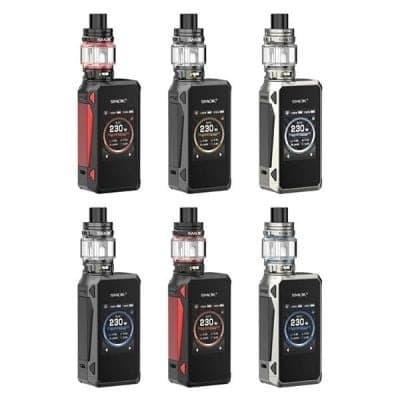
Understanding labels helps you spot inconsistencies: “nicotine salt” vs “freebase nicotine”, “PG/VG ratio” implications for throat hit and vapor density, and “batch tested” vs “certified by named laboratory”. Clear labeling reduces uncertainty about 35000 Züge Vapes|risk factors of e cigarettes.
FAQ
Q1: Are disposables inherently less safe than refillable systems?
A1: Not inherently, but disposables often lack transparency and may use lower-cost components; always seek testing data and clear labeling.
Q2: How can I tell if a device’s battery is safe?
A2: Check for protective circuitry, readable specifications, and manufacturer guidance on charging; avoid unknown third-party cells and unattended charging.
Q3: Do flavorings increase risk?
A3: Some flavoring chemicals are of concern when inhaled; favor products with full ingredient disclosure and avoid known harmful additives.