papieros elektroniczny: A practical guide to modern nicotine devices
Why clear terminology matters
Language around inhalable nicotine products is inconsistent. Some people use the terms interchangeably; others draw firm lines between generations of devices. For searchers curious about papieros elektroniczny or wondering what’s the difference between a vape and an e cigarette, understanding definitions helps you compare features and outcomes without confusion.
Basic definitions and common labels
For clarity: an e-cigarette was originally designed to emulate the experience of smoking a traditional cigarette and typically resembles its size and look. A vape (short for vaporizer) has become a broader umbrella term that includes e-cigarettes but also many other devices such as pod systems, mods, and disposable vape pens. In many languages and markets the phrase papieros elektroniczny simply translates to e-cigarette, yet depending on product design it may be marketed as a vape device.
How they work: core components
Whether labeled as a vape or an e-cigarette, most devices share the same three building blocks: a battery, a heating element (coil), and a liquid reservoir for the e-liquid or juice. Differences in performance and experience come from how those components are configured:
- Battery type and power output: low-powered devices suit a mouth-to-lung (MTL) draw similar to smoking; higher-power devices enable direct-to-lung (DTL) inhalation with warmer vapor.
- Coil resistance and material:
 coil design affects flavor, vapor production, and e-liquid consumption.
 - Reservoir style: cartridges/pods, refillable tanks, and disposable integrated designs determine convenience and running costs.
Experience differences: throat hit, flavor, and clouds
One of the most practical distinctions relates to user experience. Devices marketed as traditional papieros elektroniczny or classic e-cigarettes are often optimized for nicotine salts at higher concentrations and deliver a stronger throat hit with modest vapor. On the other hand, many modern vapes are designed to maximize flavor and vapor production with freebase nicotine or nicotine-free e-liquids, customization of airflow, and variable power settings.
Nicotine delivery: what to expect
Nicotine formulation and device design jointly determine how quickly and effectively nicotine is delivered. Nicotine salts, commonly used in pod-style papieros elektroniczny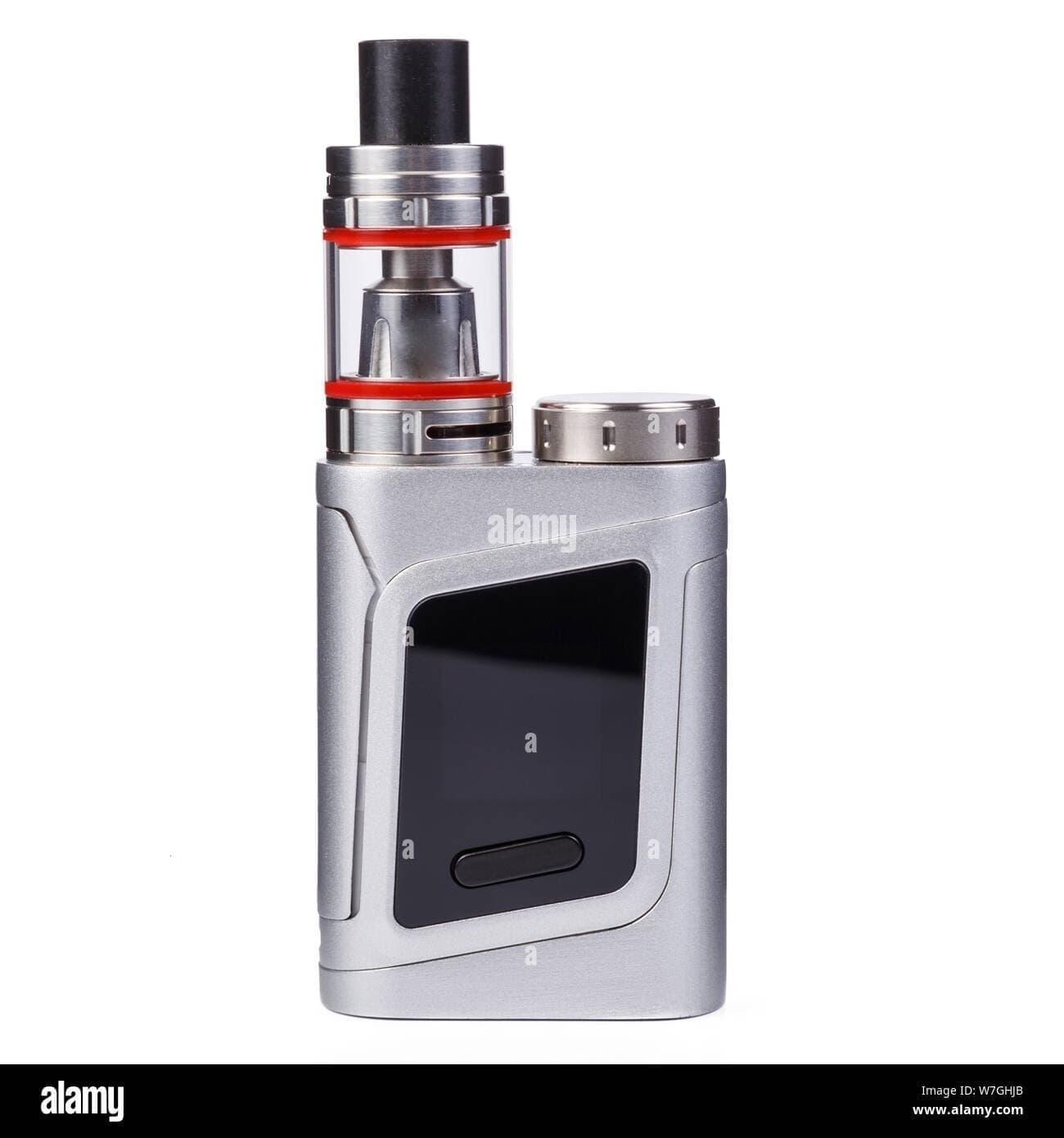
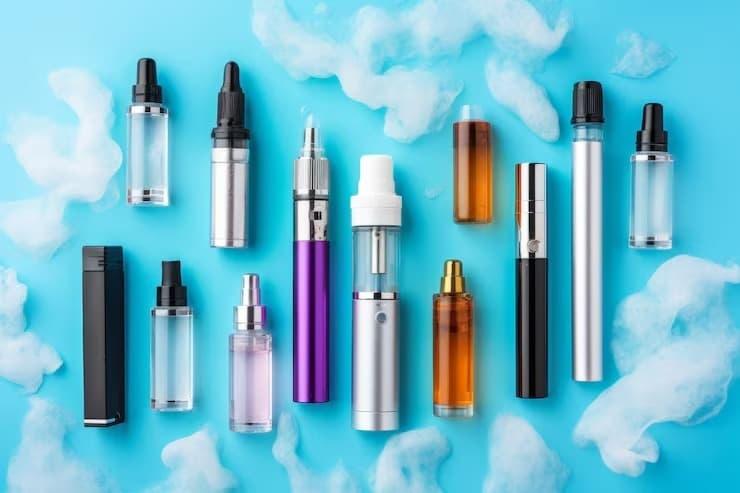 , enable smoother inhalation at higher mg/ml strengths and provide satisfying nicotine delivery with low-power devices. Freebase nicotine often pairs with higher powered vapes where larger vapor volumes compensate for lower concentrations. When researching what’s the difference between a vape and an e cigarette, nicotine type is a practical difference that affects satisfaction, dependency potential, and the sensation on inhalation.
Health and safety considerations
Current public health research suggests that inhalable nicotine products are generally less harmful than combustible cigarettes but not risk-free. Key points for safety-conscious consumers include:
- Use reputable brands with quality control to reduce contamination risk.
- Follow battery safety guidelines and use certified chargers to prevent malfunctions.
- Store e-liquids safely, keep them away from children and pets, and adhere to local regulations.
Anyone with health concerns should consult a medical professional before switching to or starting these products. For those comparing papieros elektroniczny options, safety features like automatic cut-off, short-circuit protection, and child-resistant packaging are meaningful differentiators.
Cost comparison and long-term value
Initial and ongoing costs differ widely. Cig-a-likes and disposables may have low up-front prices but higher long-term costs per puff. Pod systems and refillable vapes require a higher initial investment but can be more economical when you buy e-liquids and replace coils or pods. For shoppers focused on value, calculate the expected lifespan of coils and batteries, average e-liquid consumption, and the cost of replacement pods or disposables.
Regulation, labeling, and purchasing tips
Regulations vary by country and region, affecting nicotine strength limits, flavor bans, and packaging requirements. When you buy online or in-store, look for transparent labeling that includes ingredients, nicotine concentration, and batch testing information if available. Choose authorized retailers and avoid unverifiable products that lack traceability—this reduces the risk of counterfeit or unsafe items.
Practical checklist: choosing the right device
Use this checklist to narrow options based on your priorities:
- Define your goal: quitting smoking, reducing harm, or social/recreational use.
- Decide required nicotine delivery: high (nicotine salts) or low/none (freebase or nicotine-free).
- Choose form factor: discreet cig-a-like, balanced pod system, or customizable mod.
- Factor portability and battery life into daily routines.
- Evaluate ongoing costs: pods, coils, e-liquid consumption.
- Check local rules and warranty/return policies from the seller.
Maintenance and best practices
Proper maintenance extends device life and keeps performance consistent. Basic tips include cleaning contacts, replacing coils on schedule, using the right e-liquid viscosity for your device, charging batteries on compatible chargers, and storing devices at room temperature. For users concerned about flavor retention, rotate coils regularly and avoid over-priming. These steps apply regardless of whether the product is called a papieros elektroniczny or a vape.
Myths and misconceptions
Addressing a few common myths makes shopping easier:
- Myth: All vapes are identical. Fact: Vast differences in power, coil design, and e-liquid formulation yield diverse experiences.
- Myth: Higher wattage is always better. Fact: Higher power increases vapor and heat but can worsen taste if the device or liquid isn’t suitable.
- Myth: Nicotine-free means harmless. Fact: While lacking nicotine, e-liquids can contain other chemicals; quality and testing matter.
How to transition from smoking
Smokers considering switching to a papieros elektroniczny or other vape devices should plan for a gradual transition. Start with a device that mimics the throat hit and nicotine delivery of your cigarette, often a pod or cig-a-like using nicotine salts. Track usage to avoid unintentionally increasing nicotine intake; consider flavors and nicotine strengths that reduce cravings without encouraging heavy use. Support from cessation professionals enhances success for those aiming to quit entirely.
Choosing by lifestyle: scenarios
Scenario-driven advice helps match device types to daily life:
- Commuter/discreet user: small pod or cig-a-like with low-profile design
- Social user who values flavor: pod system with refillable pods and broad e-liquid options
- Hobbyist who enjoys tinkering: mod with rebuildable atomizer and adjustable settings
Environmental footprint and disposal
Disposable devices generate more waste; rechargeable and refillable systems reduce single-use plastics. Proper disposal of batteries and e-liquid containers is important—recycle batteries at approved centers and follow local hazardous waste guidelines for nicotine-containing liquids.
Glossary: quick terms
- MTL (Mouth-to-Lung)
- Inhale into the mouth first, then the lungs—similar to cigarette inhalation.
- DTL (Direct-to-Lung)
- Inhale directly into the lungs—produces larger vapor volumes.
- Nicotine Salts
- A nicotine formulation allowing smoother intake at higher strengths.
- Freebase Nicotine
- The traditional nicotine form used in many e-liquids; often paired with lower concentration and higher power.
Final recommendation
When comparing devices and searching for terms like papieros elektroniczny or asking what’s the difference between a vape and an e cigarette, remember that the best choice balances nicotine delivery, convenience, cost, safety, and personal preference. For many smokers switching to inhalable alternatives, pod systems with nicotine salts offer a straightforward and effective compromise between convenience and satisfaction; hobbyists or those seeking strong flavor and cloud production may prefer customizable mods. Prioritize reputable brands, clear labeling, and an understanding of local regulations to ensure an informed purchase.
Buying and troubleshooting tips
If you encounter issues—leakage, burnt taste, or inconsistent battery performance—check compatibility between coils/pods and the device, ensure proper e-liquid fill levels, and confirm that wattage settings match coil recommendations. Keep spare coils/pods handy and consider buying replacement parts from the original manufacturer to avoid compatibility problems. For purchasing, read product reviews, watch demonstration videos, and ask vendors about return policies and warranty coverage before you buy.
Where to learn more
Authoritative sources include public health institutions, manufacturer support pages, and independent laboratories that publish e-liquid or device testing. For community-driven insights, forums and user reviews can be informative but weigh anecdotal claims against verified data.
Concise comparison table (summary)
papieros elektroniczny / cig-a-likes: low power, high nicotine salts convenience, discreet; Pod systems: balanced, refillable, good for nicotine salts or freebase; Mods: powerful, customizable, higher maintenance and cost.
Conclusion
The language around these products will keep evolving. Whether you search for papieros elektroniczny or look up what’s the difference between a vape and an e cigarette, focus on features that matter to you—nicotine delivery, convenience, safety, and total cost of ownership. Making a measured choice supported by reliable information increases the likelihood that your device meets your expectations and reduces unnecessary trial, expense, or risk.
FAQ
- Are vapes and e-cigarettes the same thing?
- Short answer: not always. “Vape” is a broad term that includes many device types; “e-cigarette” often refers to products that explicitly mimic the cigarette form factor. Functionally they overlap but differ in design, power, and typical nicotine formulations.
- Which device is best for a smoker trying to quit?
- Many smokers find that a pod system using nicotine salts provides a satisfying transition due to efficient nicotine delivery and a cigarette-like throat sensation. Consult a healthcare provider for personalized support.
- How do I ensure product safety?
- Buy from reputable vendors, check for clear labeling and testing information, follow battery and maintenance guidance, and avoid modified devices or unverified sources.
This content aims to provide balanced, practical information for consumers. It does not replace medical advice. Always check local laws and health guidance regarding nicotine products.