Practical Guide for Consumers: Choosing Safer Vaping Products and Understanding Ingredients
Navigating modern nicotine alternatives means learning more than brand names and price points: an informed shopper knows the chemistry inside each cartridge and device. This long-form guide aims to help everyday buyers, health-conscious users, and retail staff at a Vape Shop evaluate product safety, interpret labels, reduce exposures to harmful substances, and make smarter purchasing decisions. Throughout this article you will find clear explanations of common components, practical harm-minimization strategies, and shopping tips that prioritize tested, transparent products. Wherever the phrase e cigarette chemicals appears, it is used to focus attention on what is inside e-liquids and why composition matters to taste, safety, and long-term health.
What Are the Typical Ingredients Found in E-Liquids?
Most commercially sold e-liquid formulations contain a combination of a humectant base, optional nicotine, concentrated flavorings, and sometimes minor additives. The three classes below cover the majority of substances you will see on a label, but keep in mind that sourcing, batch quality, and lab practices lead to significant variation between brands and between a Vape Shop and an online vendor.
1. Base solvents: Propylene Glycol (PG) and Vegetable Glycerin (VG)
PG and VG form the bulk of many e liquids; they carry flavor and determine throat hit and vapor density. Both are used widely in pharmaceuticals and food, but inhalation introduces different exposure routes than ingestion. High-PG blends typically feel sharper in the throat and convey flavor intensity; high-VG blends produce denser clouds and a smoother inhale. Impurities in the solvent, manufacturing residues, and high-temperature thermal decomposition can create harmful products when a coil heats the liquid.
2. Nicotine and nicotine salts
Nicotine may be present in freebase or salt form. Nicotine salts are engineered to deliver higher concentrations with less harshness, and therefore their concentration and delivery profile matter for addiction potential. Quality-minded manufacturers disclose nicotine origin and concentration. For those visiting a Vape Shop, ask for lab reports that show nicotine purity and whether there are trace alkaloids or contaminants.
3. Flavoring chemicals and additives
Flavorings include a very wide array of volatile and semi-volatile organic compounds (esters, aldehydes, ketones, lactones, and terpenes). Many are food-grade, yet inhalation toxicology is not equivalent to ingestion safety. Certain flavor agents such as diacetyl and acetyl propionyl have been associated with respiratory disease in occupational settings, and although manufacturing has trended away from these, occasional substitutions and unlabeled ingredients can still occur. Pay attention to the term e cigarette chemicals when researching unknown flavor components; it flags a need for caution and verification.
Why the Chemistry Matters: Health Risks and Exposure Pathways
It is critical for purchasers to understand that e cigarette chemicals behave differently under heat than in their original liquid state. A solvent, flavoring, or contaminant that is benign in a bottle may yield volatile decomposition products when vaporized. Thermal processes can produce formaldehyde, acrolein, and other carbonyls under certain heating profiles. Metals from coils or solder joints (nickel, chromium, lead) can leach into aerosols, and poor storage or contamination can introduce microbial or chemical impurities into a product sold in a Vape Shop.
Routes of exposure and vulnerable populations
- Inhalation is the principal route with immediate respiratory and cardiovascular impact.
- Dermal contact with concentrated nicotine solutions can cause acute toxicity — keep sealed liquids away from children and pets.
- Pregnant people, adolescents, and those with preexisting lung or heart conditions are at increased risk and should avoid non-prescribed nicotine products.
Understanding the mix of base, flavoring, nicotine, and contaminants can inform safer choices and reduce unexpected risks.
How Products Are Tested: Certificates, Methods, and What to Ask
Reliable producers and reputable Vape Shop retailers will make third-party lab reports available. These can include:
- Gas chromatography–mass spectrometry (GC-MS) for volatile and semi-volatile organics.
- High-performance liquid chromatography (HPLC) for nicotine quantification and related alkaloids.
- Inductively coupled plasma mass spectrometry (ICP-MS) for metal contaminants.
When assessing a certificate of analysis (CoA), verify the lab accreditation, the batch/lot number match, and the analytes tested. Avoid vendors who cannot or will not share batch-level testing; generic marketing claims are no substitute for traceable documentation.
Common Misconceptions and False Security Signals
Many shoppers assume that “natural” flavorings are inherently safer, or that a particular packaging brand guarantees safety. These are unreliable heuristics. Natural compounds (e.g., certain essential oils) may form harmful oxidation products when heated. Also, a sealed package does not guarantee composition transparency; counterfeits and repackaging are real problems in some markets. A reputable Vape Shop will prioritize traceability and be able to provide details about raw ingredient sourcing, COAs, and production practices.
Shopping Checklist: Smart Questions to Ask at a Vape Shop or Online Vendor
Use this checklist to evaluate a product or a retailer. Many items can be requested in person or via email prior to purchase:
- Can you provide a batch-level CoA from an accredited lab? Which analytes were tested?
- Is the nicotine concentration listed as the measured mg/mL and is the measurement method described?
- Are flavor ingredients disclosed at least by chemical family, and are any known respiratory toxicants absent?
- What materials are used for coils, contacts, and tanks (stainless steel grade, nickel-free solder, etc.)?
- Where are products manufactured, and what shelf-life or storage instructions are provided?
Transparency on these points dramatically improves the odds of selecting lower-risk items and reduces surprises from hidden e cigarette chemicals.
Device Safety: Batteries, Coils, and Thermal Management

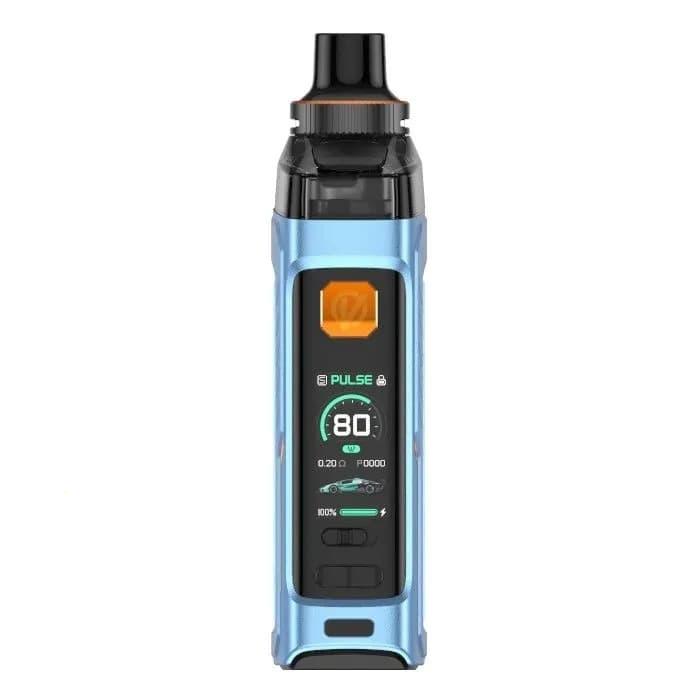
Choosing a safer device is as important as choosing safer e-liquids. Substandard batteries and poorly engineered devices can produce runaway heating which increases decomposition of e-liquid ingredients and elevates exposure to harmful byproducts. Retailers should provide clear guidance on battery compatibility, recommended charging equipment, and coil replacement intervals. Look for regulated devices with temperature control features — these reduce peak coil temperatures and decrease formation of some thermal degradants.
Maintenance tips
- Replace coils at recommended intervals — burnt coils produce off-flavors and chemical byproducts.
- Use the manufacturer-recommended wattage and temperature settings; avoid “overpowering” cheap coils.
- Store liquids away from heat and sunlight to limit oxidation of flavor compounds.
Regulatory Landscape and Quality Signals
Regulation varies widely by country and region. In some markets, mandatory ingredient listings, registration, and safety testing are required; in others, the supply chain is less controlled. A few indicators of higher-quality, responsibly made products include:
- Clear ingredient and nicotine disclosure on the label.
- Third-party testing with batch-specific CoAs.
- Manufacturing under a recognized standard (e.g., ISO-compliant facilities) or adherence to Good Manufacturing Practice (GMP) guidelines.
- Traceable supply chain information showing raw material sources and handling practices.
When shopping in a physical Vape Shop, staff who answer technical questions knowledgeably and request to show lab documentation are an important quality signal. When buying online, look for clear product pages, accessible documentation, and customer support that will respond to questions about e cigarette chemicals and safety.
How to Reduce Risk: Practical Harm-Minimization Strategies
While the most effective way to avoid exposure is to abstain from nicotine and aerosolized products, individuals who choose to vape can take practical steps to lower risk:
- Prefer products with transparent third-party testing and traceability.
- Choose known manufacturers with consistent batch records rather than anonymous or grey-market liquids.
- Use temperature-controlled devices and avoid excessively high power settings.
- Avoid complex flavor mixes with unknown or synthetic terpenes if concerned about inhalation toxicity.
- Store e-liquids securely, out of reach of children and pets; nicotine-containing solutions are hazardous if ingested or absorbed through skin.
Regularly review new research on inhalation toxicology; scientific understanding evolves and new contaminants of concern are sometimes identified.
How a Vape Shop Can Improve Consumer Safety
Retailers play a pivotal role. A responsible Vape Shop can:
- Request and display up-to-date lab reports for the products they sell.
- Offer staff training on device safety, battery care, and ingredient basics.
- Provide clear return or complaint channels if a consumer experiences adverse effects.
Shoppers should favor retailers who adopt these practices and clearly communicate product limitations and safe-use recommendations.
Reading Labels and Interpreting Marketing Claims
Marketing phrases like “all natural,” “pharmaceutical grade,” or “clean vapor” are not standardized and should be treated cautiously. Instead, prioritize objective documentation: specific ingredient names, measured nicotine concentration, and batch-level testing. If a vendor claims a product is free from a particular chemical class, request the CoA that shows the test results and the lab’s detection limits.
Environmental and Disposal Considerations
Dispose of batteries, cartridges, and leftover nicotine solutions responsibly. Batteries should be recycled at designated facilities and never thrown into regular waste. Residual e-liquid should be placed in sealed containers and handled according to local hazardous waste guidelines. Reducing environmental harm is part of responsible product stewardship for both consumers and Vape Shop operators.
Brief Notes on Addiction, Quitting, and Alternatives
Nicotine is addictive. For those aiming to quit, consult health professionals about evidence-based cessation tools, including counseling and approved nicotine replacement therapies. Some users choose vaping to reduce combustible tobacco exposure — in that context, switching to lower-nicotine concentrations and seeking support for cessation are recommended strategies. Always weigh risks and benefits with up-to-date clinical guidance.
Checklist Before You Buy
- Do you have the CoA for the specific batch?
- Is the device compatible with the liquid and recommended power range?
- Are clear storage and safety warnings included?
- Does the retailer provide documentation about materials used in coils and tanks?
Answering these questions reduces surprises and helps you choose products with lower potential for harm.
Further Reading and Resources
Consult peer-reviewed toxicology literature, public health guidance, and government consumer advisories for the latest information on inhalation health effects and product standards. Industry change and research continue; staying informed is essential.
Keywords reinforced for SEO purposes: Vape Shop, e cigarette chemicals, Vape Shop, e cigarette chemicals, Vape Shop.
This guide is informational and not a substitute for professional medical advice. If you suspect poisoning or a severe adverse reaction, seek emergency care immediately.
FAQ
Q1: Are all flavorings used in e-liquids safe to inhale?
A1: Not necessarily. Many flavorings are food-grade and safe if ingested, but inhalation toxicology differs. Request lab tests and avoid products that do not disclose key flavor chemicals.
Q2: How can I verify a lab report from a Vape Shop?
A2: Check that the report lists the vendor and batch number, identifies the accredited laboratory, and provides detection limits for each analyte. Contact the lab directly if you have doubts.
Q3: Do temperature-controlled devices make vaping safe?
A3: Temperature control reduces some thermal decomposition products but does not eliminate all risk. Combining device safety with high-quality, transparent e-liquids is the best approach.