Understanding the New Safety Landscape for Modern Vaping Devices
The rise of rechargeable nicotine delivery systems has prompted renewed attention to safe design, battery management and consumer protection. Whether you own a well-known brand or a lesser-known pod system, understanding risks and responsibilities is critical. This article examines the latest safety guidance, practical prevention steps, and why consulting an e cigarette explosion lawyer can be a decisive step if a thermal runaway event causes injury or property damage. We will also emphasize how specific devices like Elektromos Cigi models fit into the broader regulatory and legal landscape.
Why battery failures remain the central issue
Rechargeable lithium-ion cells power the majority of modern vaping devices; their energy density enables compact formats and long usage times, but also creates a risk profile that demands respect. Mechanical damage, improper charging, counterfeit batteries, or manufacturing defects can all trigger a catastrophic failure. When a cell undergoes thermal runaway, consequences range from minor burns to severe trauma and home fires. Because the risks originate in both design and user behavior, prevention is multilevel: engineering controls, clearer labeling, safe consumer habits, and robust legal accountability when preventable defects lead to harm.
How manufacturers and regulators are responding
Design improvements and firmware safeguards
Key engineering steps include integrated thermal cutoffs, overcurrent protection, and fail-safe firmware that limits power output when critical sensors detect irregular behavior. Some devices come with automatic lockouts for damaged coils or shorted circuits. Consumers should verify firmware updates and follow manufacturer guidance to keep these safety features functional.
Practical Safety Tips for Users
Adopting a safety-first mindset reduces the risk of an incident. Below are validated behaviors that limit hazards and help protect you and those around you.
- Use only recommended chargers and batteries: Avoid mixing cells from different manufacturers or pairing cells of differing ages. If your device requires a specific 18650 or 21700 cell, follow the exact spec.
- Inspect for damage: Look for dents, tears in battery wraps, or loose components before every use.
- Store safely: Keep spare batteries in a protective case, away from keys, coins, or anything that might short circuit them.
- Charge smart:
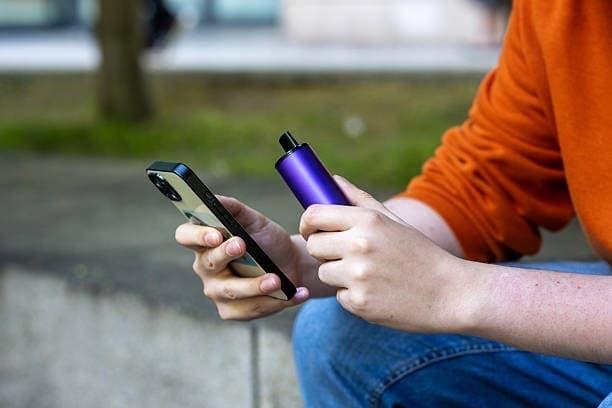 Never leave batteries charging unattended overnight; use chargers with overcharge protection and avoid cheap knockoffs.
 - Follow signs of device distress: If a device becomes unusually hot, emits odd smells, or shows performance anomalies, discontinue use and get it inspected.
Special considerations for traveling and public safety
Airlines and transit authorities have strict rules for lithium-ion batteries. Understanding and complying with these restrictions reduces the risk of incidents in confined spaces and helps avoid regulatory penalties.
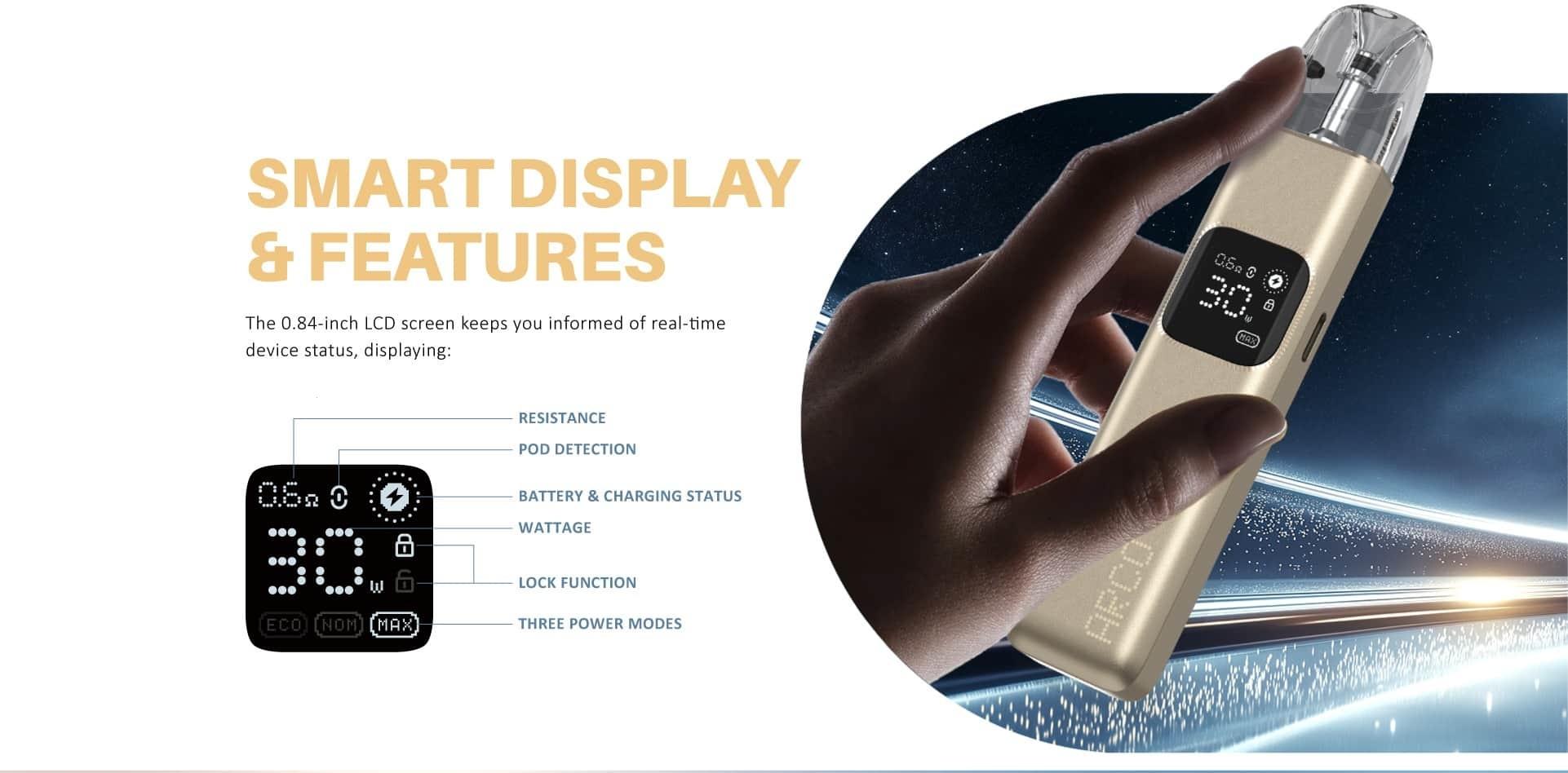 Elektromos Cigi Safety Update and Why an e cigarette explosion lawyer Matters After Battery Failures” />
When Safety Measures Fail: Legal Options After an Incident
If a battery-related failure causes injury, property damage or loss of income, affected individuals often have multiple legal avenues. Product liability law addresses defective design, manufacturing defects, or inadequate warnings. Negligence claims can apply when manufacturers, distributors, or retailers fail to follow reasonable safety practices. In complex cases, an experienced e cigarette explosion lawyer can assess the facts, identify potentially liable parties, and advise on evidence preservation — a critical first step toward a successful recovery.
Types of legal claims commonly pursued
- Strict product liability: These claims assert that a product was unreasonably dangerous due to design or manufacturing defects, regardless of the manufacturer’s intent.
- Failure to warn: If the product lacked adequate instructions or warnings — for example, about compatible chargers or storage — a claim may be viable.
- Negligence: This argues that a party breached a duty of care through careless design, testing, or distribution practices.
- Warranty claims: Express or implied warranty breaches may be asserted when a product fails to perform as reasonably expected.
How an experienced attorney helps
An e cigarette explosion lawyer brings technical and legal know-how: they will coordinate with engineers to analyze battery cells, trace supply chains to identify counterfeit components, and work with medical professionals to document injuries. In many jurisdictions, swift action is necessary to preserve critical evidence — the battery, device, charger, packaging, and witness statements — so immediate consultation can be crucial to protect legal rights.
Evidence Preservation: Practical Steps for Victims
Preserving physical evidence is essential. Victims should avoid discarding damaged devices or batteries and should secure the scene if safe to do so. Photographs from multiple angles, dated notes, and witness contact details strengthen any future claim. If possible, keep packaging, receipts, and communications with the manufacturer; these items often reveal compliance or deviations from recommended practices.
Document medical treatment and costs
Medical records, receipts, and documentation of lost wages form the backbone of damage calculations in personal injury claims. Work with healthcare providers to ensure complete records of treatment, prognosis, and necessary follow-up therapies. This documentation supports both liability and damage assessments.
Choosing the Right Legal Advocate
Selecting counsel who understands battery technology, product safety standards, and the litigation ecosystem for consumer products is essential. Look for lawyers who demonstrate:
- Experience litigating product liability cases involving lithium-ion or similar energy-storage systems.
- Access to technical experts in battery chemistry and manufacturing processes.
- A track record of negotiating fair settlements or pursuing verdicts when warranted.
- Clear communication and transparent fee structures, including contingency arrangements that align incentives.
When researching counsel, search for terms such as e cigarette explosion lawyer and brand-specific counsel who have handled claims involving products like Elektromos Cigi. Case studies, legal publications, and peer recommendations provide insight into a lawyer’s effectiveness.
What to expect in an early consultation
An initial evaluation typically covers the incident timeline, the condition of the device, medical impact, and existing communications with the manufacturer or retailer. Attorneys will often guide immediate steps such as securing evidence and preserving electronic communications. They may also advise on interim relief — for example, court orders to prevent spoliation or mandatory recalls in severe cases.
Compensation and Case Outcomes
Compensation can include medical expenses, lost wages, pain and suffering, and property damage. In severe cases, punitive damages are possible where conduct was particularly reckless or fraudulent. Many cases resolve by settlement after technical analysis and negotiation, but complex or high-value claims can go to trial. An experienced e cigarette explosion lawyer will quantify damages, project settlement value, and build persuasive causation arguments linking the defect to the injury.
Class actions and mass torts
When a defect affects many consumers, class actions or coordinated multidistrict litigation can achieve broad relief. Consumers should monitor recalls and public notices; joining coordinated litigation often helps streamline claims and increases leverage against large manufacturers or distributors.
Insurance Considerations
Homeowners, renters, and personal liability policies sometimes cover fire-related losses, but terms vary. Victims should report incidents to insurers promptly and consult counsel before signing release documents or accepting early settlement offers. Legal counsel can coordinate with insurers to ensure compensation reflects full damages and future medical needs.
Prevention and Consumer Advocacy
Long-term reduction in incidents requires product innovation, stronger oversight, and consumer education. Advocacy groups can drive legislative updates and improved testing regimes; consumer awareness of safe charging, storage, and manufacturer guidance decreases individual risk. Brands that proactively issue software updates, recall dangerous units, and fund consumer education demonstrate responsibility and reduce litigation exposure.
How to recognize reputable products
Choose devices from manufacturers that publish battery safety data, maintain transparent supply chains, and have clear instructions on compatible chargers and replacement parts. Look for third-party certifications and post-sale support. Terms like box-mods, pod systems, and integrated cells each carry distinct risk profiles; understanding those differences helps consumers make informed decisions.
How Technology Is Shaping Future Safety
Battery chemistry research, improved battery management systems (BMS), and modular design approaches aim to isolate failures and reduce catastrophic outcomes. Smart chargers that communicate with devices to manage charging curves and limit cell stress are becoming standard. Regulatory harmonization across markets will accelerate adoption of safer designs globally.
Industry transparency and recall effectiveness
Timely and visible recalls that reach end-users are essential. Manufacturers should publish clear instructions for returns and exchanges and provide transparent patching programs for firmware updates. Public trust rises when companies act quickly and transparently in response to safety concerns.
International Perspectives: What Consumers Should Know
Standards vary across regions: what’s acceptable in one market may be banned in another. Travelers should check local regulations and remember that enforcement and recall mechanisms differ. When cross-border purchases occur, warranty coverage and legal recourse can become more complex; retaining evidence and seeking counsel early helps protect rights in multi-jurisdictional disputes.
Summary and Actionable Checklist
To reduce risk and protect your interests, follow this short checklist: inspect devices regularly, use approved chargers, store batteries securely, update device firmware, and document any incident thoroughly. If you suffer injury or significant damage, consult a specialized e cigarette explosion lawyer promptly to explore recovery options and preserve critical evidence. When choosing products, prioritize reputed brands and verified safety features; an informed consumer is a safer consumer. Brands like Elektromos Cigi are part of the evolving marketplace that must balance innovation with user protection.
Key takeaways
- Battery failures remain the primary cause of severe vaping-related incidents.
- Prevention requires manufacturer diligence and informed user behavior.
- Preserve evidence and seek a qualified e cigarette explosion lawyer quickly if harmed.
- Regulatory updates and technological advances are improving safety, but vigilance remains essential.
Contacting Experts and Next Steps
If you or a loved one has experienced a battery-related incident, gather device photos, medical records and purchase documentation, then contact a legal professional with experience in consumer product incidents. A lawyer will often work with engineers to determine root cause and with medical advisors to quantify damages, ensuring that you are positioned for a fair resolution.
This guidance balances current technical explanations, practical tips, and legal strategy to help consumers and victims navigate a rapidly changing landscape. Whether you seek safer usage or legal redress, informed action can make a significant difference.
Q: What first steps should I take if my vaping device explodes?
A: Ensure immediate safety and medical care; preserve the device and any chargers, take detailed photos, collect witness contact information, and consult legal counsel before disposing of evidence.
Q: Can I sue a manufacturer if my battery was counterfeit?
A: Yes. Liability can extend to manufacturers, distributors, or sellers who supply or fail to warn about counterfeit components; technical analysis will help trace the part’s origin.
Q: How long do I have to file a claim after an injury?

A: Statutes of limitations vary by jurisdiction; consult an attorney promptly to avoid losing the right to pursue compensation.
Q: Are there class actions related to vaping device failures?
A: When many consumers are affected by a common defect, coordinated litigation or class actions are possible and may offer more efficient recovery mechanisms.