Understanding modern disposable vapes and safety signals
Disposable electronic nicotine devices have become widely available in many markets and one specific category, often searched under the Polish term Jednorazowy e-papierosy, attracts attention because of convenience, low upfront cost and flashy flavor marketing. Consumers and health professionals alike ask repeatedly: what are the health effects of e cigarettes? This long-form guide explores how single-use devices compare to refillable systems, summarizes current research, identifies realistic risks, and offers practical safety tips for anyone considering or already using a disposable product.
What exactly are disposable nicotine devices and why they matter
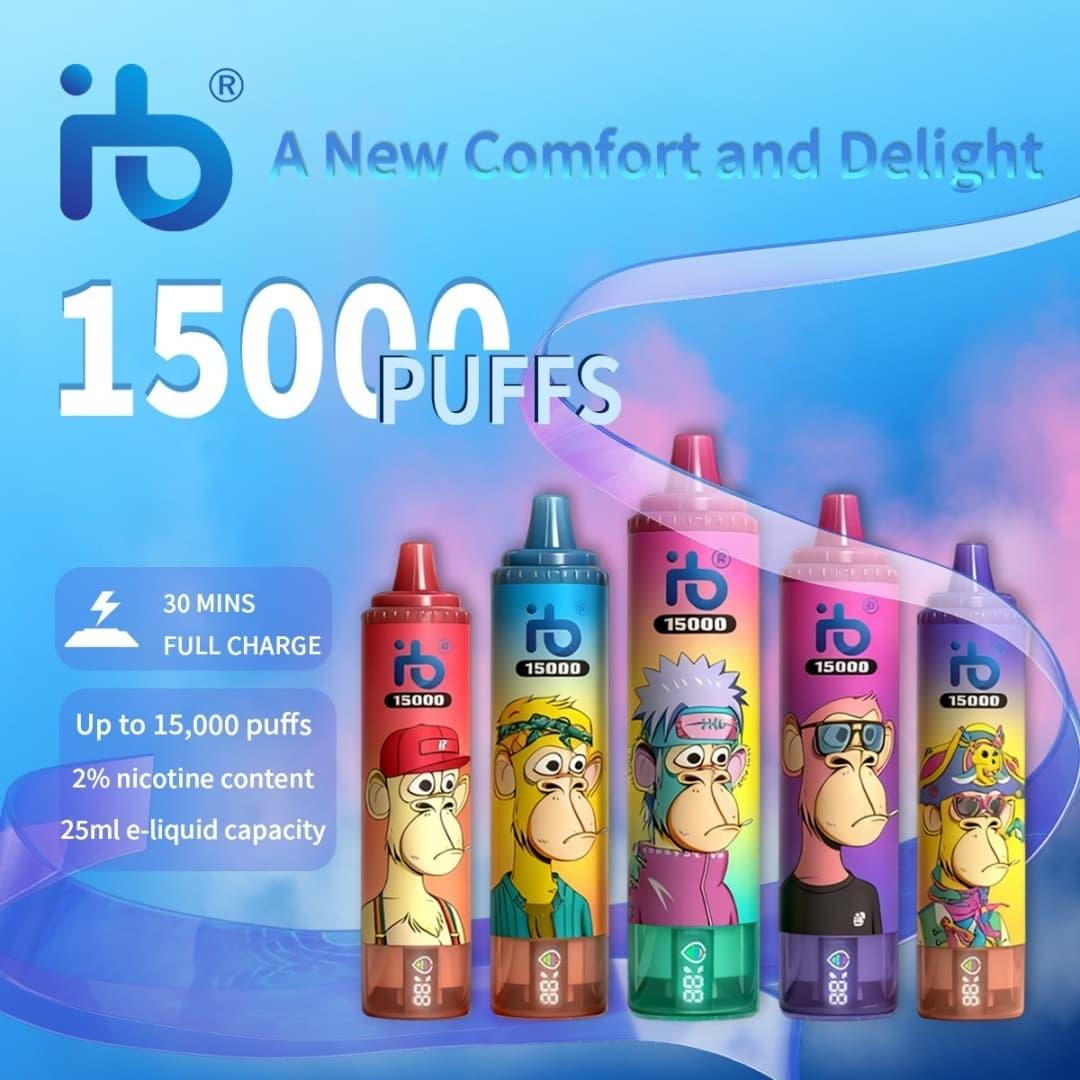
In brief, Jednorazowy e-papierosy refers to compact, pre-charged, pre-filled e-cigarette units that are discarded after the e-liquid runs out. Their appeal is simplicity: no coils to replace, no refilling, often a variety of flavors and discreet form factors. From an SEO standpoint it’s important to connect product terminology with consumer intent: people search for comparisons, safety data, legal status, and quitting aids. Therefore this content targets those queries and aims to answer the central question: what are the health effects of e cigarettes in realistic, evidence-based terms.
Key components of disposable devices
- Battery: usually a small lithium-ion cell that powers the heating element.
- Heating coil: metal alloy that vaporizes the e-liquid.
- E-liquid: typically contains propylene glycol (PG), vegetable glycerin (VG), flavorings, and often nicotine.
- Mouthpiece and casing: plastic or metal components in direct contact with users.
How aerosol chemistry differs from cigarette smoke
Vaping aerosols are not identical to combustible tobacco smoke. Combustion products like tar, carbon monoxide and thousands of pyrolytic chemicals are largely absent in properly used devices. However, heating liquids to create an inhalable aerosol generates a complex mixture of chemicals including carbonyls (such as formaldehyde and acetaldehyde), volatile organic compounds, particulate matter, heavy metals (trace amounts from coils), and flavoring-related compounds that may pose inhalation risks. This is why precise wording of what are the health effects of e cigarettes matters: the effects depend on device type, liquid composition, temperature control, and user behavior (puff duration and frequency).
Short-term effects that have been documented
Users commonly report immediate responses that range from mild to uncomfortable: throat irritation, dry mouth, cough, dizziness (often related to nicotine), headaches, and transient increases in heart rate. Some people also notice changes in taste or increased mucus production. Clinical and observational studies show that switching from combustible cigarettes to e-cigarettes can reduce exposure to many harmful combustion products in the short term, but it can also maintain nicotine addiction and deliver respiratory irritants.
Potential long-term health outcomes under investigation
The evidence base for chronic effects is still evolving because widespread use of modern devices is a relatively recent phenomenon. Researchers are tracking possible outcomes including:
- Respiratory disease progression: chronic bronchitic symptoms, potential for exacerbating asthma or COPD; emerging data indicate changes in lung immune responses and potential for impaired viral defense.
- Cardiovascular risk: nicotine elevates heart rate and blood pressure acutely; aerosols may promote endothelial dysfunction and atherogenesis in susceptible individuals.
- Cancer risk: while many carcinogens from smoke are absent, some thermal degradation products and contaminants are carcinogenic or potentially mutagenic—long-term risk is unknown but likely lower than heavy smoking for certain cancers; nonetheless not risk-free.
- Neurodevelopmental impact: nicotine exposure during adolescence affects brain development and is associated with cognitive and behavioral effects.

Nicotine dependence and population effects
Nicotine remains the most addictive component in most e-liquids. Even when devices are labeled nicotine-free, lab analyses sometimes find low levels of nicotine or other alkaloids. The spread of enticing flavors in single-use units has increased experimentation among young people. From a public health perspective the net population effect depends on whether adult smokers switch entirely (harm reduction) versus dual use or new initiation among youth.
Specific risks associated with Jednorazowy e-papierosy
Disposable units have unique practical risks compared to refillable systems. Because they are often inexpensive, many are discarded casually, creating environmental hazards. Battery failures, though rare, can cause overheating or fires when devices are transported or compacted with other waste. Also, industry quality control varies—counterfeit or poorly manufactured disposables may leak, deliver inaccurate nicotine doses, or contain higher-than-expected levels of harmful impurities.
What rigorous research tells us
Large observational datasets, randomized trials for cessation, and laboratory studies provide pieces of the evidence puzzle. Randomized trials show that e-cigarettes can help some smokers quit when combined with behavioral support, though success rates vary. Biomarker studies demonstrate reduced levels of specific toxicants in exclusive e-cigarette users versus smokers. Yet toxicological assessments reveal cellular effects in vitro at concentrations that may be relevant to heavy users, and longitudinal epidemiology has linked vaping to increased risks for some respiratory outcomes. It’s accurate to say: evidence supports lower exposure to many traditional smoke toxicants but does not confirm absence of long-term harm.
How to interpret “what are the health effects of e cigarettes” in plain language
When consumers ask what are the health effects of e cigarettes, they seek a risk comparison and practical advice. Key messages to communicate: e-cigarettes are likely less harmful than smoking combustible tobacco for adult smokers who fully switch, but they are not harmless; there are immediate and potentially chronic respiratory and cardiovascular effects; nicotine dependence remains a major concern; youth, pregnant people, and non-smokers should avoid them.
Practical safety tips and harm minimization
- For smokers who cannot quit with approved therapies, switching completely to regulated e-cigarettes may reduce exposure—do this under medical guidance if possible.
- Choose devices and liquids from reputable manufacturers and regulated markets; avoid black-market products.
- Monitor nicotine concentration and avoid excessive dosing; start low and titrate down where feasible.
- Use devices as intended—do not modify the coil or battery, do not refill disposables with unknown liquids.
- Avoid vaping in enclosed spaces with children, pregnant people or people with respiratory disease.
- Be mindful of battery safety: keep devices away from metal objects, store at moderate temperatures, and do not puncture or crush disposables.
- Dispose of used units responsibly at designated battery/e-waste collection points where available to reduce environmental harm.
Regulatory and labeling considerations
Regulations vary widely across countries. Where strict product standards exist, the risk profile is typically lower because of enforced ingredient limits, child-resistant packaging, and accurate nicotine labeling. In markets with lax oversight, Jednorazowy e-papierosy products may have inconsistent quality. Consumers should seek information about testing, independent lab verification, and whether flavor or nicotine caps are in place.
Special populations: youth, pregnancy, and people with chronic disease
Adolescents: The developing brain is particularly sensitive to nicotine. Early and repeated exposure increases risk of dependence and may prime the brain for other substance use. Pregnant people: Nicotine exposure is associated with adverse outcomes including low birth weight and potential neurodevelopmental impacts. People with chronic disease: Cardio-respiratory patients should consult clinicians because nicotine and aerosol particles can exacerbate underlying conditions.
Comparing quitting strategies
For smokers trying to quit, evidence-based options include combination of behavioral counseling and pharmacotherapies (nicotine replacement therapy, bupropion, varenicline). E-cigarettes may help some users succeed when traditional therapies fail, but they should generally be used as part of a structured quit plan with a goal of eventual nicotine cessation. Health professionals should personalize recommendations based on history, preferences, and comorbidities.
Environmental and disposal issues tied to disposables
Single-use devices increase plastic and battery waste. Improper disposal can lead to battery fires in waste streams and environmental contamination. Some jurisdictions now require take-back programs or bans on non-rechargeable devices to reduce littering and toxic waste. Consumers can reduce impact by choosing refillable systems where appropriate and by participating in local recycling programs.
Identifying trustworthy information and avoiding misinformation
Because the field evolves, rely on reputable sources: peer-reviewed journals, public health agencies, and clinical guidelines. Avoid sensationalized headlines that claim absolute safety or irreversible harm without nuance. When evaluating claims, ask: Is the study peer-reviewed? Was it industry-funded? Does it consider user behavior like dual use? Good science communicates uncertainty and limitations.
Summary bullets for quick reference
- Jednorazowy e-papierosy are convenient but not risk-free; they deliver nicotine and complex aerosols.
- what are the health effects of e cigarettes varies: short-term irritant effects are common; long-term risks are under active study but include respiratory and cardiovascular concerns.
- Switching entirely from combustible cigarettes to regulated e-cigarettes likely reduces exposure to many harmful compounds, but the best health outcome is complete cessation of all tobacco and nicotine products.
- Youth, pregnant people, and non-smokers should avoid vaping; adults who smoke should weigh risks and benefits and seek cessation support.
- Choose regulated products, practice battery and disposal safety, and consult healthcare providers when in doubt.
Finally, it is essential to treat promotional messaging and convenience as separate from scientific assessment. When people ask search engines about what are the health effects of e cigarettes or look up Jednorazowy e-papierosy they want practical, balanced answers. This article aims to provide such a view: neither dismissing potential harm nor overstating benefits. Responsible choices depend on accurate information, credible regulation, and individual health goals.
Practical checklists for different user scenarios
If you are a smoker considering a switch
- Discuss the plan with a healthcare professional.
- Choose products from regulated brands; check nicotine level and ingredients.
- Set a quit timeline and plan for tapering nicotine.
- Monitor respiratory and cardiovascular symptoms and follow up medically.
If you are a non-smoker or a parent
- Discourage use among adolescents and explain risks of nicotine dependence and inhalation exposures.
- Keep devices out of reach and dispose of them properly.
- Advocate for smoke- and vape-free indoor environments.
If you are a clinician or public health professional
- Stay updated on the literature and regulatory changes.
- Offer individualized cessation strategies and consider e-cigarettes as one of several tools for adult smokers who decline other therapies.
- Monitor population-level trends such as youth uptake and dual use.
Concluding perspective
In closing, the category known in Polish as Jednorazowy e-papierosy captures a popular, evolving segment of nicotine delivery products. The central consumer question—what are the health effects of e cigarettes —requires a nuanced answer: reduced exposure for some adult smokers compared to combustible tobacco, but persistent and potential harms particularly for vulnerable groups and long-term users. Ongoing research will refine our understanding; until then, emphasize evidence-based cessation, product quality, and sensible precautions.
FAQ
- Q: Can disposable e-cigarettes help me quit smoking?
- A: Some smokers use e-cigarettes as a transition to cessation. Clinical trials show mixed results; benefit is most likely when combined with counseling and a quit plan.
- Q: Are disposables safe for teenagers to try since they are “milder”?
- A: No. Adolescents are at risk of nicotine addiction and potential developmental harm; youth use should be actively discouraged.
- Q: How should I dispose of a used disposable device?
- A: Follow local e-waste and battery recycling guidelines. Do not crush or incinerate devices; many communities have designated drop-off points.