Compact guide to modern vaping devices and safe charging solutions
This comprehensive resource explains contemporary approaches to choosing a quality personal vaporizer while also explaining compatible charging solutions such as an Elektrische Zigarette battery, USB chargers and the increasingly common electronics cigarette lighter accessories designed for safety and reliability. Whether you are exploring a compact pod system or a more advanced modular vapor rig, understanding charging technology is essential to enjoying long-term, safe performance. This guide focuses on practical comparisons, maintenance best practices, and top-rated charging options for responsible vapers.
Why charging matters for longevity and safety
Charging is not just about convenience; it’s a decisive factor in battery health, device lifespan, and personal safety. Improper charging can accelerate capacity loss, increase internal resistance, or in extreme cases cause thermal runaway. A properly matched Elektrische Zigarette charger or certified electronics cigarette lighter adapter reduces risk by regulating voltage and current, preventing overcharge, and ensuring compatibility with lithium-ion cells commonly used in modern vapes. This article explains how to evaluate chargers and lighters used to power devices in cars or on the go, distinguishing between safe, certified products and risky, low-cost imitations.
Core charging concepts every vaper should know
- Battery chemistry: Most personal vaporizers use lithium-ion cells; they require controlled charging profiles and protection circuits.
- Charge current: Measured in amperes (A), the correct charge current lengthens battery life. Faster isn’t always better.
- Voltage and limits: Standard single-cell lithium-ion devices charge up to around 4.2V; exceeding manufacturer recommendations is dangerous.
- Protection features:
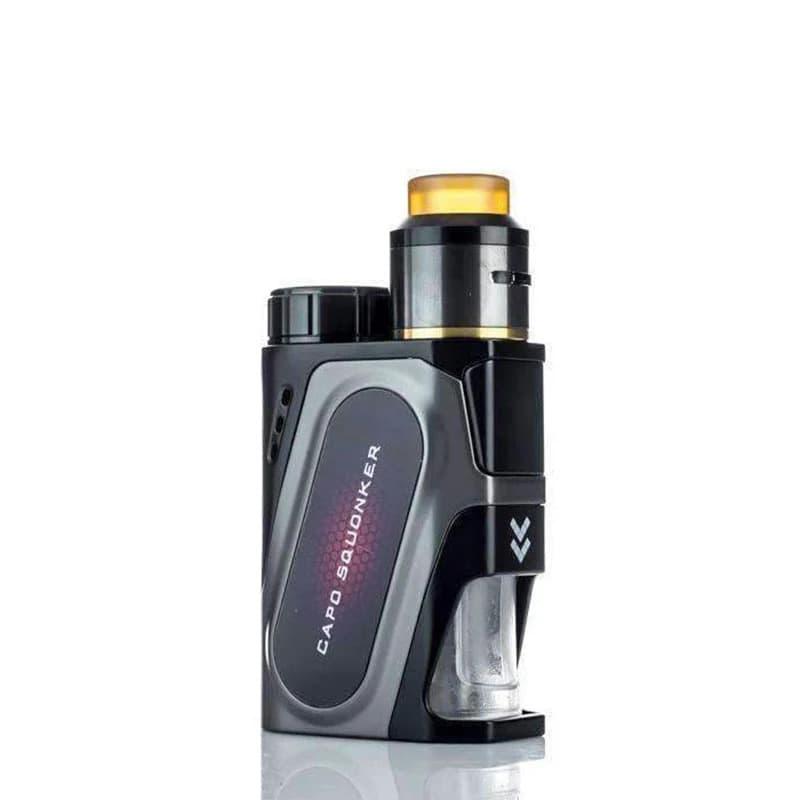 Look for overcharge, short-circuit, temperature and reverse polarity protection in chargers and lighters.
Common charging interfaces and why they matter
Today’s devices commonly use USB-C, micro-USB, or proprietary magnetic connectors. USB-C is rapidly becoming the standard due to power delivery capabilities and reversible convenience. If you are using a vehicle-based electronics cigarette lighter adapter, choose one that supports regulated output and has surge protection to minimize risk during alternator spikes or when the car starts.
Top picks: best-rated charging devices and electronics cigarette lighters for safe, reliable charging
Below is a curated selection of chargers and in-vehicle adapters that consistently earn high marks for safety and performance. These picks include compact wall chargers, robust power banks, and high-quality cigarette lighter adapters for mobile use. Each entry highlights why the model stands out for use with an Elektrische Zigarette.
1. Certified USB-C PD wall charger — Compact fast charging
Why it’s recommended: supports Power Delivery (PD) with multi-voltage output, built-in safety ICs, and reliable thermal management. Ideal for modern devices labeled Elektrische Zigarette that support regulated USB-C charging.
2. Smart 2-port charger with integrated safety IC
This charger offers simultaneous charging for a device and an extra battery pack. It features automatic current allocation and short-circuit protection, which keeps both your vape and secondary devices safe. The product’s compatibility with standard charging cables makes it a versatile choice for vapers who travel frequently.
3. In-car regulated cigarette lighter adapter (3-port)

An automotive adapter with fused protection, transient voltage suppression, and built-in temperature monitoring is essential when powering an electronics cigarette lighter port. Choose a model certified to automotive safety specifications and one that offers one dedicated port for high-current charging and two auxiliary ports for smaller accessories.
4. Magnetic cable and dock for easy, secure connections
Magnetic docks reduce wear on device connectors and prevent accidental tugs that can disrupt charging. These accessories often incorporate over-voltage protection and are excellent for bedside or office charging for a device tagged as an Elektrische Zigarette.
5. Compact power bank with regulated 5V output
An external battery with a regulated output and intelligent current control can extend vaping sessions safely. Choose units with pass-through charging and high cycle longevity to preserve overall battery health.
6. Car-specific power delivery adapter
If you use a device in long commutes, a PD-capable car adapter designed to convert the cigarette lighter socket to USB-C PD output offers efficient charging. Look for auto voltage adjustment and multi-level surge protection to safeguard your Elektrische Zigarette.
7. Dedicated device charger from manufacturer
Manufacturer-supplied chargers are often tuned for optimal charging curves and are the safest choice when available. These manufacturer chargers ensure correct communication between the charger and the device’s battery management system.
8. High-quality USB hub with OVP/OTP
When multiple devices are charged at once, an over-voltage protection (OVP) and over-temperature protection (OTP) USB hub maintains stable currents and prevents cross-device interference that could harm an Elektrische Zigarette. It is ideal for those who pair their vaping device with phones and tablets.
How to evaluate a charger or electronics cigarette lighter adapter
- Certifications: Look for CE, FCC, UL, or equivalent marks indicating independent testing.
- Manufacturer reputation: A proven brand reduces the risk of manufacturing shortcuts.
- Safety features: Verify presence of OVP, OCP (over-current protection), short-circuit protection, and thermal shutdown.
- Warranty and customer support: These indicate confidence in product longevity and offer recourse if something fails.
- Reviews and user reports: Real-world reports reveal how a charger performs under different conditions and highlight potential issues not covered in specifications.
Maintenance and everyday charging habits
Implementing sensible charging routines extends the useful life of any battery-powered device. Avoid deep discharges and frequent full charges when not necessary. Many users adopt the “20–80” rule — keeping battery charge between 20% and 80% for maximum longevity where practical. When storing a spare Elektrische Zigarette or battery, maintain a partial state of charge (around 40–50%) and store in a cool, dry place. Never leave charging devices unattended for long durations, and unplug chargers when not in use to prevent unnecessary heat buildup.
Optimizing charging in a vehicle
Cars can present voltage spikes when starting or when electrical accessories are toggled. A certified electronics cigarette lighter adapter with transient voltage suppression is therefore essential. Avoid direct connection to a cigarette lighter with a cheap unregulated adapter; the risk of harm to cells or the device is higher under unstable voltage conditions common in older vehicles.
Comparing wired vs. wireless charging for vaping devices
Wireless charging eliminates connector wear and can provide a convenient, sealed charging method for devices designed for induction charging. However, wireless pads often charge slower and produce more heat than a wired USB-C PD setup. If fast top-ups are needed, a quality wired solution or PD-capable Elektrische Zigarette charger commonly offers better efficiency and lower thermal strain on the battery.
Tips for buying third-party chargers and adapters
- Prefer products with transparent specifications showing voltage and current limits.
- Avoid counterfeit models that mimic reputable brands but lack internal safety circuitry.
- Read return policies and warranty terms before purchase.
- Be cautious of models that claim unrealistic charge times for high-capacity cells — marketing hyperbole often hides unsafe design choices.
Key takeaways for safe, reliable charging
Choosing compatible and certified chargers, keeping a moderate charging routine, and using regulated in-car electronics cigarette lighter adapters are practical steps to maximize safety and performance of a personal vaporizer. Prioritize products with clear safety features and documented certifications. When in doubt, use manufacturer-supplied chargers or reputable third-party adapters that explicitly list compatibility with your device.
Real-world checklist before charging
- Verify connector type and polarity matches your device.
- Inspect cables and adapters for visible damage.
- Confirm charger voltage and current are within device specifications.
- Prefer adapters with built-in thermal regulation and surge protection for in-car use.
- Store spare batteries partially charged and in a cool environment.
Frequently recommended models for different needs
Entry-level vaper: compact USB wall charger with overcurrent protection; ideal for beginners using standardized pods.
Intermediate user: multi-port PD charger for simultaneous charging and device maintenance.
Frequent traveler: high-density power bank with regulated output and airport-friendly certifications.
Commuter: PD-capable car adapter specifically engineered for cigarette lighter sockets to protect against vehicle electrical transients.
Legal and regulatory considerations
Local rules may restrict the sale or use of vaping devices and related hardware; always check current regulations. Many jurisdictions require certification marks for electronic accessories, which helps prevent unsafe or noncompliant chargers from entering the market. If you transport spare batteries, consult airline policies and guidance for carrying lithium-ion cells to avoid regulatory or safety issues.
Final considerations and recommended safety practices
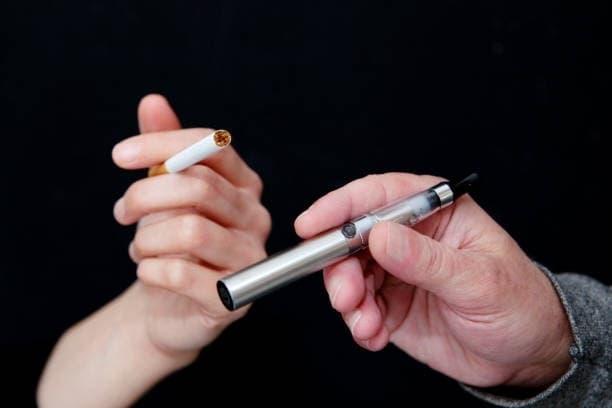
When you combine a thoughtful purchasing approach, cautious charging habits, and quality accessories, you reduce the chance of device failures and create a safer vaping experience overall. A robust Elektrische Zigarette setup includes attention to charger specifications, proper limits on charge current, and routine inspection of all cables and adapters including any electronics cigarette lighter adapters you use in vehicles. The goal is reliable performance without compromising safety.
If you are unsure about a specific model, contact the manufacturer for specifications and ask whether the accessory includes the protective features outlined above. Trusted retailers can also help verify authenticity and compatibility before purchase.
Where to learn more
Authoritative forums, manufacturer FAQs, and independent product tests offer deep dives into charging technologies. Seek sources that include measured output data, thermal performance, and longevity testing rather than relying solely on manufacturer claims. Community feedback often surfaces common failure modes and practical mitigation strategies for both chargers and Elektrische Zigarette devices.
Note: This article aims to educate about charging safety and product selection. It does not endorse irresponsible modifications or unauthorized repairs. For serviceable malfunctions, consult qualified technicians or the device maker’s support channels.
FAQ
Q: Can I use a phone charger to charge my Elektrische Zigarette?
A: Often, yes, if the phone charger provides the correct voltage and current and is certified. Prefer chargers that support regulated outputs like USB-C PD and include standard safety certifications to protect your battery.
Q: Is a car cigarette lighter adapter safe for vaping devices?
A: It can be, but only if the adapter is designed with transient suppression, fuse protection, and regulated output. Avoid unbranded, unregulated adapters that do not list safety features.
Q: How frequently should I replace charging cables and adapters?
A: Replace them when you notice fraying, connector damage, or inconsistent charge behavior. As a preventive measure, consider replacing low-cost cables every 12–18 months depending on use.