IBVape selections and refined tasting notes for modern vapers
Choosing the right e-liquid is part art and part science, and when a brand like IBVape appears on the scene, enthusiasts want clear guidance. This article focuses on how to evaluate flavors, what to expect from premium blends, and practical tips for selecting and storing electronic cigarette liquid so you can enjoy consistent results and an elevated experience.
Why many vapers choose IBVape and quality electronic cigarette liquid
There are three core reasons users are drawn to IBVape: flavor accuracy, consistent base quality, and a thoughtful range of nicotine strengths and VG/PG ratios. High-quality electronic cigarette liquid should deliver predictable throat hit, stable coil life, and a flavor profile that matches the label. IBVape e-liquids frequently score well in independent tastings because the brand focuses on natural extracts, clean sweeteners, and calibrated mixing methods that reduce off-notes and chemical aftertastes.
Key attributes of premium e-liquids
- Flavor fidelity: Does the inhale and exhale reflect the advertised notes?
- Base purity: Clean propylene glycol (PG) and vegetable glycerin (VG), with pharmaceutical-grade nicotine when present.
- Steeping and consistency: Properly steeped blends increase flavor coherence; top brands apply controlled aging.
- Lab testing and transparency: Certificates of analysis (COAs) and ingredient declarations are a sign of trust.
How IBVape structures flavor lines
Most respected labels categorize flavors into segments such as dessert, fruit, menthol, tobacco, and complex blends. IBVape typically offers approachable iterations across those segments: crisp citrus blends, creamy desserts, bold dark-rye tobaccos, and clean menthols. When searching for a signature liquid, look at the brand’s layering technique — top notes (what you taste first), middle notes (the core), and base notes (the lingering finish). A well-crafted electronic cigarette liquid will reveal those layers over a few draws and will remain stable across tank types.
Understanding VG/PG ratios and your device
Selecting an electronic cigarette liquid begins with matching the VG/PG ratio to your hardware and preferred vape style. High-VG blends (70% VG and above) favor cloud production and smoother throat hits but can be thicker and may require sub-ohm devices. Higher PG content (50% or above) carries flavor more crisply and provides a stronger throat hit, making it ideal for mouth-to-lung setups. IBVape often lists multiple VG/PG options for core flavors so you can find a balance for mouth-feel, coil longevity, and flavor intensity.
Top-tasting strategies to evaluate electronic cigarette liquid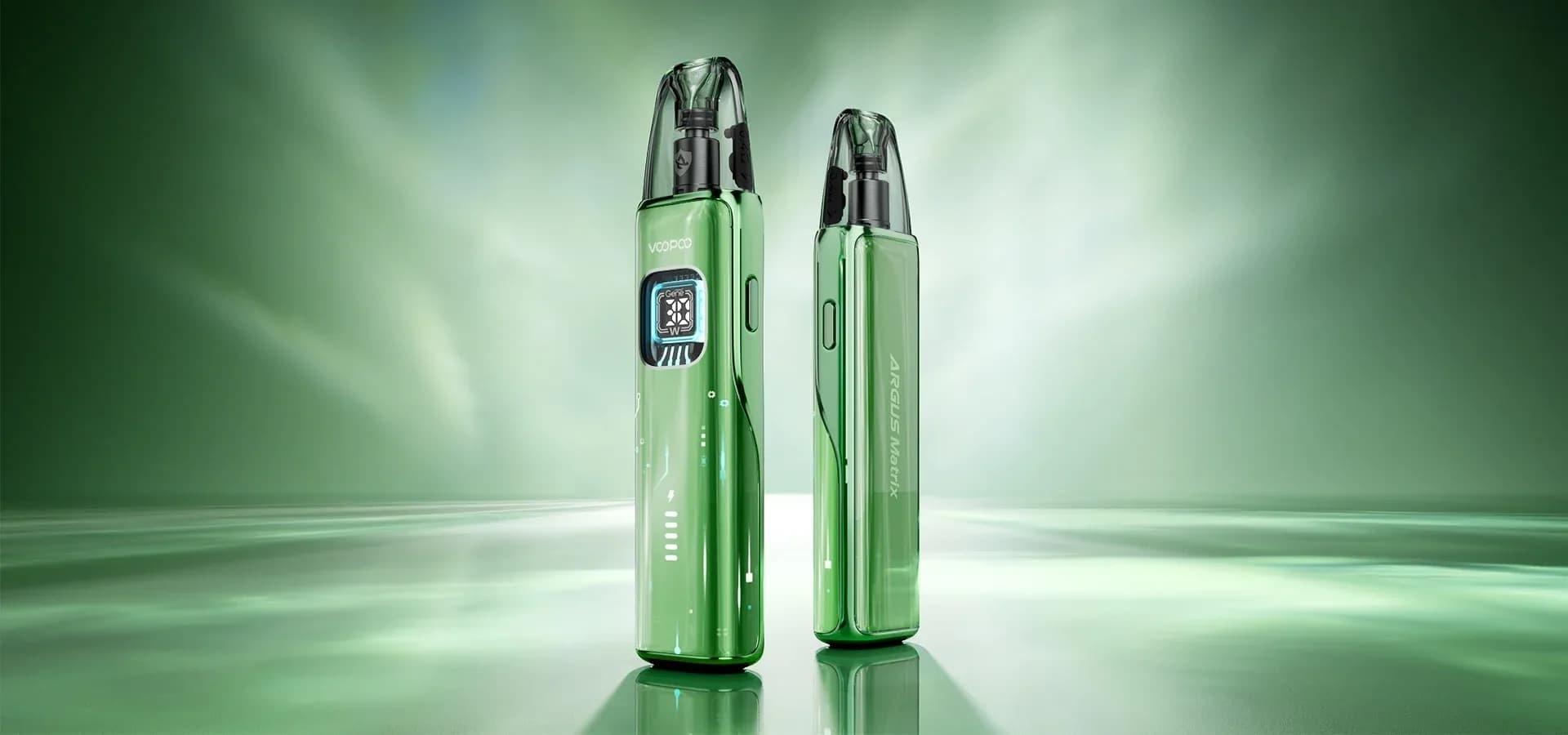 IBVape review of the best electronic cigarette liquid selections and IBVape flavor guide” />
- Start with a fresh coil and wick to avoid cross-contamination of flavors.
- Use mid-power settings recommended by your coil to hear the true balance of sweetness, body, and throat hit.
- Take short puffs initially, then extend once you find the flavor opens up; some blends improve after a few hits.
- Record impressions: sweetness, aftertaste, warmth, cooling, and whether the flavor fades quickly or remains persistent.
- Compare similar profiles side-by-side to detect subtle differences in layering and mouthfeel.
Nicotine levels, salts, and freebase differences
Freebase nicotine offers a variable throat hit depending on mg strength and VG/PG ratio; it’s common in regular blends and preferred by cloud chasers. Nicotine salts provide smoother throat hits at higher concentrations, which suits smokers transitioning to vaping seeking rapid satisfaction. IBVape typically differentiates these formats so consumers can choose the physiological effect they prefer. When assessing nicotine impact, try a sample with a known concentration to benchmark your tolerance.
Mixing, steeping, and personalization tips
Many vapers like to personalize by blending complementary flavors or diluting overly sweet concentrates. If you wish to tweak a pre-mixed electronic cigarette liquid, start with small batches and document ratios. Steeping can help volatile notes settle — gentle warm-water baths or long, cool storage with periodic gentle shake can accelerate maturation. Note that menthol and citrus may lose brightness with long steeping, whereas dessert and tobacco notes often gain depth.
Practical buying advice for IBVape fans
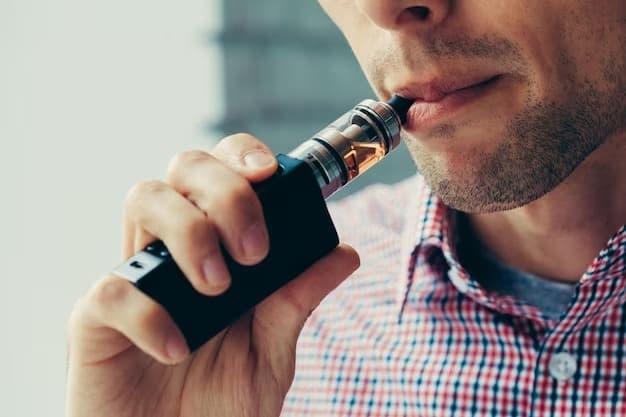
Always purchase from reputable vendors to ensure product authenticity and proper storage. Authentic IBVape listings will include batch numbers, ingredient breakdowns, and often a recommended VG/PG ratio and coil range. Read customer reviews but prioritize detailed tasting notes over star ratings; reviewers who describe coil conditions, wattage, and device type provide more actionable insight.
Storage, safety, and longevity
Store e-liquids in a cool, dark place away from direct sunlight and out of reach of children and pets. Keep caps tightly closed to minimize oxidation; nicotine will gradually oxidize and darken, which can affect flavor. Properly stored, most sealed high-quality electronic cigarette liquid will remain usable for 1-2 years, though optimal flavor is usually within 6-12 months of manufacture.
Maintenance tips to preserve flavor quality
- Replace coils regularly to avoid burnt or muted flavors.
- Use separate tanks for dessert, fruit, and tobacco to prevent cross-flavor contamination.
- Consider glass tanks over plastic if your favorite blend contains citrus or sweeteners that may interact with certain plastics.
Top sample picks and tasting notes (suggested starting points)
Start with a bright fruit blend to gauge the brand’s commitment to natural tasting extracts, try a custard or bakery for complexity, and sample a well-reviewed tobacco to understand the brand’s depth. IBVape often highlights a flagship fruit and a signature dessert as gateway flavors — these are useful to benchmark production consistency before buying larger bottles.
How to read labels and lab reports
Labels should list VG/PG ratios, nicotine concentration, flavoring descriptions, and ideally a batch code. If available, review lab test reports for impurity levels and nicotine purity. Brands that publish third-party COAs demonstrate higher transparency and are preferred for long-term use.
Community tips and troubleshooting
If a flavor tastes muted, try a new coil, slightly increase wattage in line with coil specs, or try a single drop of a complementary flavor concentrate to brighten it. If a juice tastes harsh, reduce nicotine or switch to a smoother VG-forward base. Engage with community forums for specific coil and wattage pairings for your favorite IBVape blend — real-world user notes can save trial-and-error time.
Environmental and regulatory considerations
Be aware of local regulations regarding nicotine-containing products and the legal age for purchase. Responsible vendors will verify age at purchase and provide clear safety labeling. Choose brands that follow good manufacturing practices and support recycling or safe disposal programs for empty bottles.
Conclusion: making the most of your IBVape journey with electronic cigarette liquid
Finding the perfect liquid is a personal journey that rewards careful sampling, attention to device compatibility, and a willingness to note subtle differences between batches and steep conditions. By prioritizing flavor fidelity, base quality, and transparent lab practices, you can enjoy a safer, more satisfying vaping experience. IBVape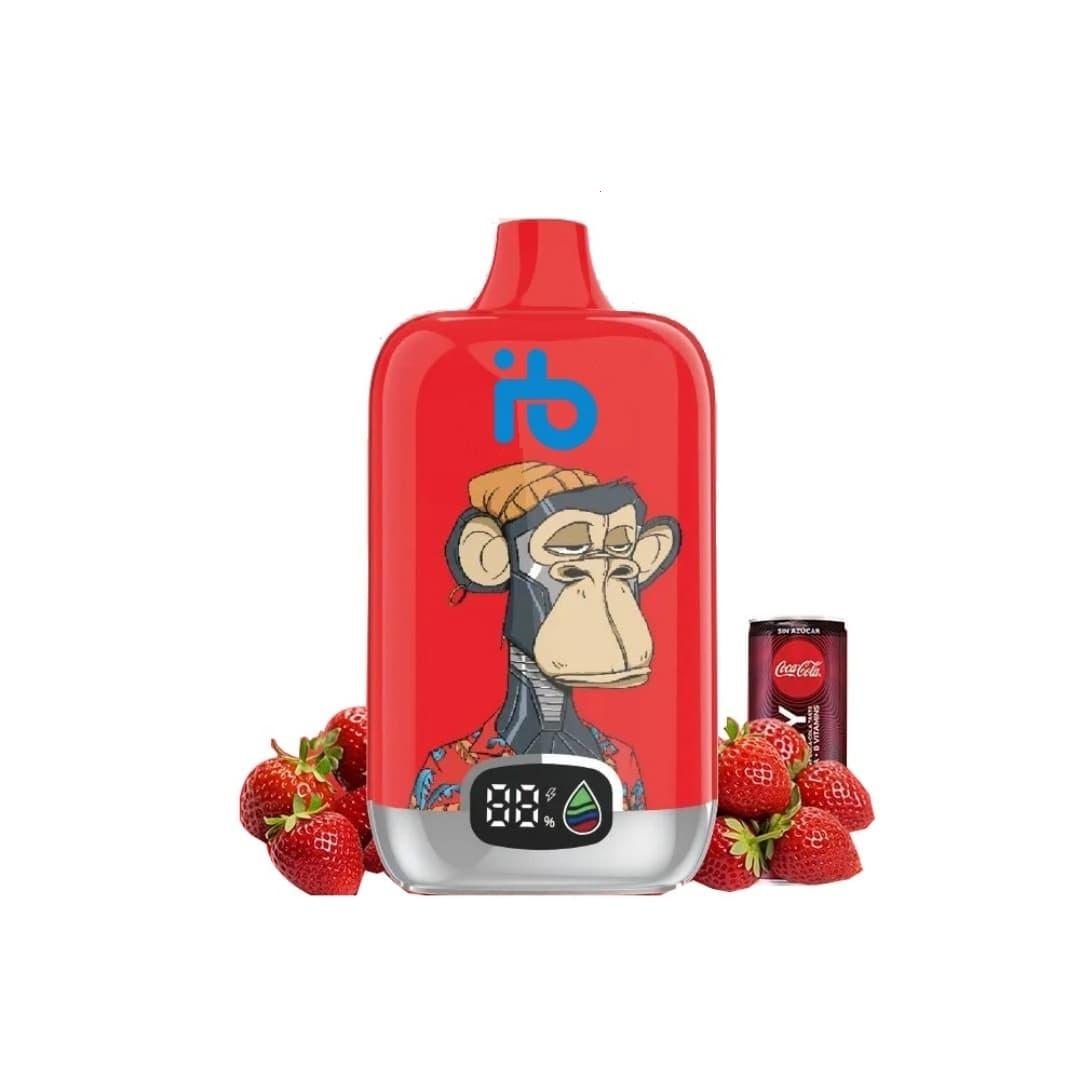 and similarly transparent makers can be a great place to start when you want consistent results.
FAQ
Q: How do I know which VG/PG ratio suits my device best? A: Check coil recommendations and start with a ratio recommended by the manufacturer; high-VG for sub-ohm, balanced or higher-PG for MTL devices.
Q: Are nicotine salts safe to use compared to freebase? A: Nicotine salts are pharmacologically similar but formulated to produce a smoother throat hit; choose reputable brands and appropriate strengths.
Q: Can I mix two different flavors of electronic cigarette liquid? A: Yes, many vapers blend small sample bottles to create custom profiles; always mix conservatively and label your blends.
Q: What causes a peppery or chemical aftertaste in a new bottle? A: It may be an unstable sweetener, an interaction with old coil residue, or a sign of improper storage; try a fresh coil and verify the vendor’s storage practices.