Comprehensive guide to choosing the best e-cigarette solutions and quitting smoking
If you’re exploring modern alternatives to cigarettes and want actionable tips for stopping tobacco use, this long-form guide helps you understand how to pick the right device, how to plan a quit journey, and how to use proven tactics to maximize success. This resource focuses on practical comparisons, evidence-informed strategies, and reader-friendly recommendations that emphasize en iyi e sigara options and the process of using e cigarettes to quit smoking. Throughout the article you’ll find clear sections, expert-backed advice, and a balanced view of risks and benefits to support your decision-making.
Why many people consider vaping as a step toward quitting
Vaping devices deliver nicotine without burning tobacco. That difference eliminates combustion byproducts that cause much of the harm from smoking. For smokers who have struggled with quit attempts, switching to an alternative nicotine delivery like e-cigarettes can reduce exposure to tar and many toxic chemicals. That said, success depends on product choice, correct nicotine dosing, and consistent behavioral support. When researching en iyi e sigara options or learning about using e cigarettes to quit smoking, look for guidance on nicotine levels, device reliability, and user experience.
How e-cigarettes differ and what that means for quitting
- Closed systems (pod kits): Simple to use, low maintenance, ideal for smokers who want a plug-and-play transition. Pods with nicotine salts can mimic cigarette-like nicotine delivery.
- Open systems (refillable tanks): Customizable power, coil resistance, and e-liquid flavors. Better for gradual nicotine tapering but require learning core skills.
- Disposable e-cigarettes: Convenient for trialing vaping or for occasional switching. Not cost-effective long-term but useful for immediate transitions.
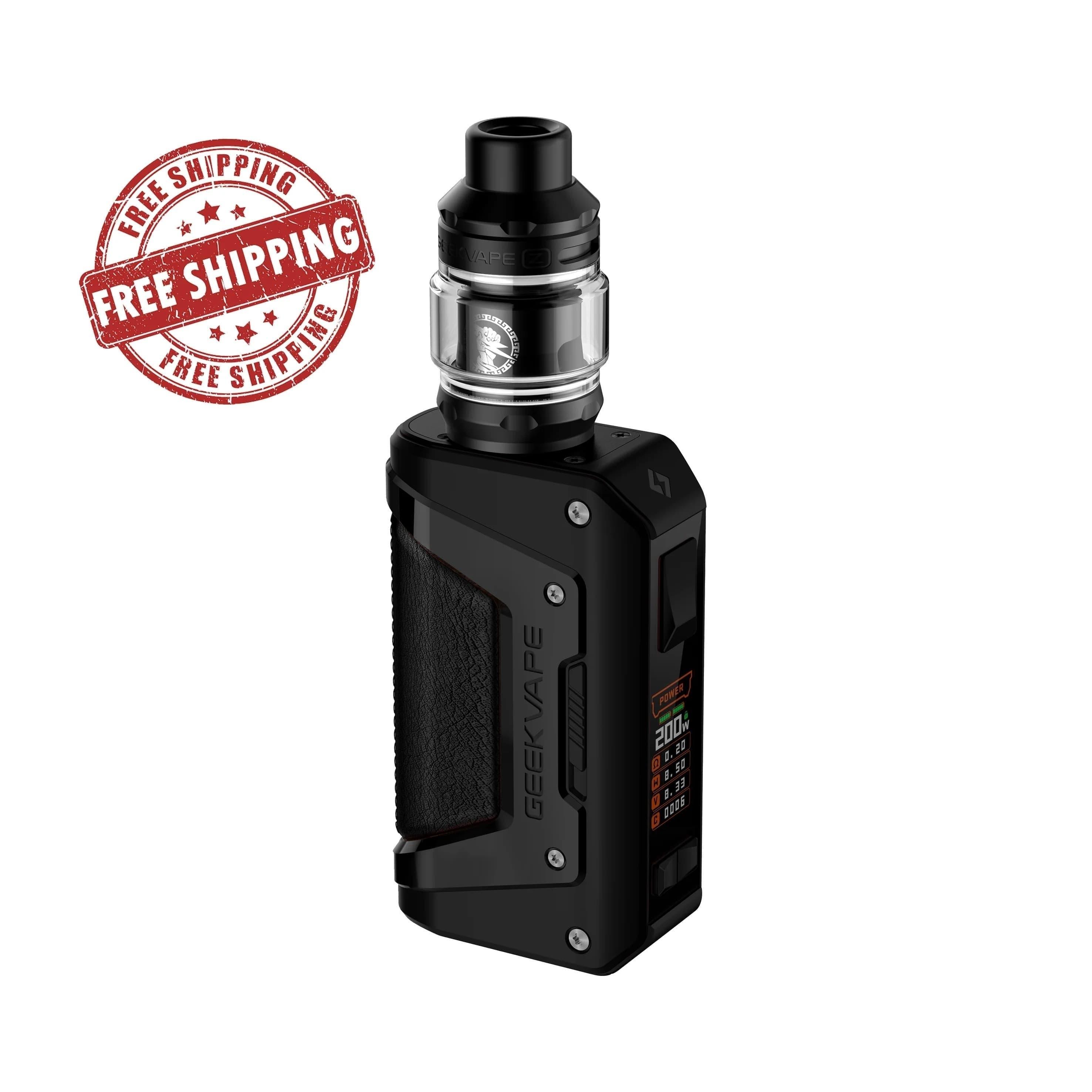
- Mods and advanced devices: Provide the most control over vapor production and nicotine delivery. Most suitable for experienced vapers who want to fine-tune their quitting plan.
Choosing the right device category is a first step when evaluating en iyi e sigara choices. Ask: Do you need simplicity? Do you want to step down nicotine gradually? How important is sensory similarity to smoking?
Key criteria to evaluate when looking for en iyi e sigara
- Nicotine delivery:
 Devices and e-liquids vary widely. Nicotine salts (commonly used in pods) often deliver nicotine more efficiently than freebase nicotine, which can help reduce cravings quickly—useful when using e cigarettes to quit smoking.
 - Reliability and maintenance: Choose kits with good coil life, predictable battery performance, and clear instructions. Unreliable devices increase frustration and relapse risk.
- Flavor and throat hit: Flavors can make the transition easier but be mindful of regulations and personal taste. A satisfying throat hit and flavor can reduce the urge to revert to cigarettes.
- Ease of use: For many smokers, the best device is the one they can and will use consistently.
- Cost and availability: Upfront cost, ongoing e-liquid or pod expenses, and local availability matter for adherence.
Top device types and example picks

Below are practical suggestions grouped by user needs. This is not an exhaustive list of brands but illustrative categories and representative examples that reflect the kinds of products commonly recommended for smokers seeking to quit:
- Beginner-friendly pod kits: Small, low-maintenance devices with nicotine salt pods that approximate cigarettes. Great for those prioritizing simplicity. If you seek an en iyi e sigara that feels familiar, look into pod kits with adjustable airflow and replaceable pods.
- Steady-taper devices: Refillable pod systems or low-power pen-style kits that let you choose nicotine strengths and gradually reduce milligrams over months while maintaining routine and hand-to-mouth behavior.
- Personalized control (for experienced users): Mods and tanks provide control over wattage and coil type so you can customize vapor and nicotine delivery. Best for users comfortable with device maintenance and safety.
- Disposables and short-term trial options: If you’re unsure about switching, a disposable product can be a low-commitment way to test whether vaping reduces cravings. Remember, long-term quitting plans typically require a consistent strategy beyond a single disposable.
Nicotine strength guidance and tapering plans
Finding the correct nicotine level is critical to prevent dual use (both cigarettes and vaping), which undermines quitting. Use these general starting points and always adjust based on your experience and cravings:
- Heavy smokers (20+ cigarettes/day): start with higher nicotine (for many, 18-20 mg/mL or 50-60 mg/mL nicotine salts depending on device efficiency).
- Moderate smokers (10–20 cigarettes/day): consider medium-strength nicotine (8–12 mg/mL freebase or 25–35 mg/mL nicotine salts).
- Light smokers (<10 cigarettes/day): low levels (3–6 mg/mL) or intermittent vaping might suffice.
Goal-oriented tapering: plan a gradual reduction every 2–4 weeks—switch down one strength level when cigarettes are no longer desired, not just tolerated. Combining a taper with behavioral supports increases the chance of successful cessation when using e cigarettes to quit smoking.
Behavioral strategies that support quitting
Devices are tools; quitting nicotine dependence is both physiological and psychological. Integrate these evidence-informed strategies to improve results:
- Set a target quit timeline: Decide whether to switch immediately (quit cigarettes on a chosen date) or to reduce progressively. Both work; immediate switching may be better for some smokers who need a clear boundary.
- Track triggers: Note the situations when you reach for cigarettes and substitute vaping episodes intentionally—keeping rituals such as a morning draw or post-meal inhale can help.
- Use support systems: Counseling, quitlines, or support groups improve quit rates. Combining behavioral counseling with en iyi e sigara choices and nicotine guidance is more effective than any single approach.
- Keep devices charged and accessible: Running out of device power at a craving moment is a relapse risk. Have spare pods or e-liquid and a backup battery if needed.
Troubleshooting common problems
Switching to vaping can require a small learning curve. Common issues include dry hits, insufficient vapor, or lingering cigarette cravings. Practical fixes include priming coils correctly, checking e-liquid levels, adjusting wattage, and optimizing airflow. If cravings persist despite correct device use, consider raising nicotine strength temporarily or seeking professional help to reassess your plan for using e cigarettes to quit smoking.
Safety, myths, and realistic expectations
Important considerations when weighing e-cigarettes as a cessation tool:
- Reduced harm, not risk-free: Current evidence indicates vaping is less harmful than smoking but not harmless. Avoid long-term dual use and aim to eventually reduce nicotine dependence.
- Short-term side effects: Some users experience dry mouth, throat irritation, or cough during the transition. These often subside in days to weeks.
- Regulatory landscape: Laws and product standards vary across regions. Buy from reputable suppliers who adhere to safety standards and transparent ingredient labeling.
- Youth protection: E-cigarettes are not recommended for non-smokers or young people. Focus resources on adult smokers seeking to quit combustible tobacco.
Practical shopping and maintenance tips
When evaluating options marketed as en iyi e sigara, use this checklist to compare devices and sellers: battery safety certifications, clear nicotine labeling, coil resistance and replacement costs, pod/e-liquid availability, and return policies. Keep your device clean, replace coils at the recommended intervals, and store e-liquids properly. Good maintenance prevents device failure and supports uninterrupted quitting efforts.
Cost comparison and budgeting
Initial costs for a quality starter kit can range from modest to higher-end; ongoing costs include coils, pods, or e-liquids. Many smokers find switching reduces total monthly cost compared to cigarette spending—budget for the first few months as you experiment with device types and nicotine strengths. Track expenses to plan a sustainable path to cessation.
Case studies and real user scenarios
While anonymous and generalized, these user journeys illustrate common patterns: A former heavy smoker chose a nicotine-salt pod system and quit cigarettes in two weeks, tapering nicotine over six months while participating in behavioral counseling. Another user with high nicotine dependency initially combined e-cigarettes with short-term nicotine patches under medical supervision, then transitioned fully to low-nicotine e-liquids and finally to nicotine-free vapor. These examples highlight that personalized plans and flexibility matter when using e cigarettes to quit smoking.
Planning your quit attempt step-by-step
Consider the following action plan to structure your attempt in a practical way:
- Assess smoking patterns and choose an appropriate starter device and nicotine strength among the recommended en iyi e sigara categories.
- Set a switch/quit date and prepare by stocking supplies, chargers, and backup pods or liquids.
- Track cravings and triggers, and pair vaping with behavioral strategies like distraction, deep breathing, or short walks.
- Seek professional or peer support, and schedule regular check-ins to adjust your plan and nicotine dosing.
- Plan a nicotine taper and set milestones for reducing strength, frequency, or switching to nicotine-free e-liquids.

Adapting as you go is normal—many successful quitters fine-tune their approach over months rather than following a rigid, single path.
When to seek medical or specialist help
Contact a healthcare professional if you experience severe withdrawal symptoms, persistent coughing or breathing problems, or if you have underlying heart or lung disease. Clinicians can help optimize nicotine replacement strategies and monitor progress when using e cigarettes to quit smoking alongside other therapies.
SEO-focused content signals in this guide
This article intentionally repeats targeted terms such as en iyi e sigara and using e cigarettes to quit smoking in headings and body copy to maintain relevance for search queries. It also uses structured headings (
,
,
), lists (
,
), emphasis (, ), and internal logical flow to signal content depth and user value to search engines. Real user intent is prioritized by offering step-by-step planning, troubleshooting, and safety considerations rather than mere product lists.
Final takeaway: e-cigarettes can be a pragmatic tool for many adult smokers aiming to quit combustible tobacco, but success depends on choosing the right device, matching nicotine delivery to your needs, and combining product use with behavioral support. If you shop for an en iyi e sigara, favor simplicity at first, ensure you can access the right nicotine strengths, and commit to a plan that reduces both cigarette use and nicotine dependence over time. Thoughtful use focused on quitting—rather than indefinite dual use—tends to deliver the best health-related outcomes when using e cigarettes to quit smoking.
FAQ
Q1: Can vaping guarantee I will quit smoking?
A1: No guarantee exists for any single method, but many smokers successfully quit by switching to e-cigarettes when combined with a clear plan and support. Vaping can reduce exposure to harmful combustion products and help manage nicotine cravings, improving chances compared to unaided quitting for some individuals.
Q2: How quickly should I reduce nicotine?
A2: Individual needs vary. A common approach is to maintain a stable nicotine level until cigarettes are no longer desired, then step down by one strength every 2–4 weeks. Rapid reductions can cause relapse, while overly slow tapering can prolong dependence.
Q3: Are flavors necessary to quit?
A3: Flavors can increase satisfaction and reduce cigarette relapse for many users, but they are not strictly necessary. Choose what helps you avoid traditional cigarettes while complying with local regulations.
), lists (
,
), emphasis (, ), and internal logical flow to signal content depth and user value to search engines. Real user intent is prioritized by offering step-by-step planning, troubleshooting, and safety considerations rather than mere product lists.
Final takeaway: e-cigarettes can be a pragmatic tool for many adult smokers aiming to quit combustible tobacco, but success depends on choosing the right device, matching nicotine delivery to your needs, and combining product use with behavioral support. If you shop for an en iyi e sigara, favor simplicity at first, ensure you can access the right nicotine strengths, and commit to a plan that reduces both cigarette use and nicotine dependence over time. Thoughtful use focused on quitting—rather than indefinite dual use—tends to deliver the best health-related outcomes when using e cigarettes to quit smoking.
FAQ
Q1: Can vaping guarantee I will quit smoking?
A1: No guarantee exists for any single method, but many smokers successfully quit by switching to e-cigarettes when combined with a clear plan and support. Vaping can reduce exposure to harmful combustion products and help manage nicotine cravings, improving chances compared to unaided quitting for some individuals.
Q2: How quickly should I reduce nicotine?
A2: Individual needs vary. A common approach is to maintain a stable nicotine level until cigarettes are no longer desired, then step down by one strength every 2–4 weeks. Rapid reductions can cause relapse, while overly slow tapering can prolong dependence.
Q3: Are flavors necessary to quit?
A3: Flavors can increase satisfaction and reduce cigarette relapse for many users, but they are not strictly necessary. Choose what helps you avoid traditional cigarettes while complying with local regulations.
- ), emphasis (, ), and internal logical flow to signal content depth and user value to search engines. Real user intent is prioritized by offering step-by-step planning, troubleshooting, and safety considerations rather than mere product lists.
Final takeaway: e-cigarettes can be a pragmatic tool for many adult smokers aiming to quit combustible tobacco, but success depends on choosing the right device, matching nicotine delivery to your needs, and combining product use with behavioral support. If you shop for an en iyi e sigara, favor simplicity at first, ensure you can access the right nicotine strengths, and commit to a plan that reduces both cigarette use and nicotine dependence over time. Thoughtful use focused on quitting—rather than indefinite dual use—tends to deliver the best health-related outcomes when using e cigarettes to quit smoking.
FAQ
A1: No guarantee exists for any single method, but many smokers successfully quit by switching to e-cigarettes when combined with a clear plan and support. Vaping can reduce exposure to harmful combustion products and help manage nicotine cravings, improving chances compared to unaided quitting for some individuals.
A2: Individual needs vary. A common approach is to maintain a stable nicotine level until cigarettes are no longer desired, then step down by one strength every 2–4 weeks. Rapid reductions can cause relapse, while overly slow tapering can prolong dependence.
A3: Flavors can increase satisfaction and reduce cigarette relapse for many users, but they are not strictly necessary. Choose what helps you avoid traditional cigarettes while complying with local regulations.