IBVape Vape Shop: Practical Guidance for Sellers Navigating Vietnam’s E-Cigarette Import Landscape
In an evolving regulatory environment, sellers and distributors need clear, actionable advice to remain compliant while maintaining business continuity. This comprehensive resource focuses on the latest updates and actionable steps related to vietnam e-cigarette import regulations 2024, delivered with a merchant-first perspective from IBVape Vape Shop. Whether you are an established importer, a new brand exploring entry into Vietnam, or an online retailer arranging cross-border shipments, this guide brings together legal context, customs practice, labeling and packaging protocols, testing requirements, and operational best practices.
Why compliance matters for importers and sellers
Non-compliance with vietnam e-cigarette import regulations 2024 can lead to confiscation, delays, fines, or a ban from market entry. For companies like IBVape Vape Shop that export or facilitate shipments, understanding administrative prerequisites is essential to reduce the risk of costly holds at customs and maintain a predictable supply chain. This article dissects the core regulatory pillars you should focus on, with pragmatic checklists and a resource map to expedite regulatory readiness.
Key themes covered in this guide
- Legal framework and recent updates: clarity on laws enacted or enforced in 2024;
- Import documentation: permits, declarations, invoices, and test reports;
- Product classification and HS codes: how to code devices and e-liquids for customs;
- Testing and safety certifications: required laboratory evidence for nicotine content, emissions, and battery safety;
- Labeling, packaging and language requirements: health warnings, Vietnamese language, and consumer instructions;
- Distribution and sales channels: online vs. brick-and-mortar considerations;
- Customs clearance strategy: pre-clearance, bonded logistics, and local agents;
- Operational compliance: record keeping, traceability, and recall management.
Understanding the legal context and 2024 policy shifts
The regulatory environment in Vietnam has been maturing rapidly. Recent directives and circulars emphasize stricter control over nicotine-containing products and devices. In 2024, enforcement has intensified, with customs authorities increasing inspections and coordinated action between health regulators and customs to ensure safety standards. Sellers affiliated with IBVape Vape Shop and independent importers should pay special attention to two main strands of regulation:
- Product classification and control: Nicotine-containing e-liquids may be subject to pharmaceutical-like scrutiny in some cases, depending on nicotine concentration and claims made about cessation or therapeutic benefits.
- Device and battery safety: Devices are assessed for electrical safety and battery compliance; evidence from accredited labs may be required.
These two priorities drive the documentation and testing that customs will request during an import clearance.
Actionable compliance checklist for importers
Use the following checklist as a baseline to prepare for customs clearance and market entry under vietnam e-cigarette import regulations 2024. This checklist is curated for sellers and logistics teams working with partners like IBVape Vape Shop or independent operators.
- Pre-shipment lab testing: Obtain test reports from accredited laboratories for nicotine concentration, hazardous ingredients, emissions testing (if applicable), and battery safety (IEC or equivalent standards).
- Technical file: Compile a product dossier including device specifications, materials, safety data sheets (SDS) for e-liquids, and user manuals translated into Vietnamese.
- Commercial invoice and packing list: Provide detailed content descriptions: device model numbers, battery specifications (mAh, voltage), e-liquid nicotine strength in mg/mL, flavor descriptions, quantities, and country of origin.
- HS code determination: Classify devices and e-liquids accurately; incorrect HS codes can trigger higher tariffs or misdirected enforcement.
- Import permits: Confirm whether a special import permit or health registration is necessary for nicotine-containing e-liquids.
- Local representation: Engage a local agent or importer of record who understands vietnam e-cigarette import regulations 2024 and can handle communication with customs and health authorities.
- Labeling and warnings: Ensure all product labels include Vietnamese health warnings, ingredient lists, nicotine content, and manufacturer/importer contact information.
- Packaging compliance: Use child-resistant packaging where required and adhere to tamper-evident standards.
Deep dive: Testing, labs, and certificates
Testing requirements are a pivotal compliance gate. For many shipments, customs will request accredited lab results to verify safety claims and nicotine content. Recommended actions include:
- Engage ISO/IEC 17025-accredited laboratories for chemical and emissions testing.
- For batteries, secure reports demonstrating compliance with recognized standards (e.g., UN 38.3 for lithium batteries, IEC 62133 for battery safety).
- Maintain sealed digital copies and notarized translations of all certificates to present during customs audits.
IBVape Vape Shop encourages its partners to keep a centralized digital dossier for each SKU to minimize delays and support rapid response to regulatory queries.
Customs clearance strategy and logistics tips
The following logistical tactics help reduce clearance time and exposure to enforcement actions under vietnam e-cigarette import regulations 2024:
- Pre-classification requests: When in doubt about HS codes or tariff treatment, submit a pre-classification inquiry to customs or consult a customs broker experienced in tobacco and nicotine products.
- Bonded warehouses: Use bonded storage for inventory awaiting regulatory approval to avoid domestic release before compliance is confirmed.
- Staggered shipments: Pilot small consignments to test documentation and customs response, then scale up with proven procedures.
- Local compliance partner: Contract a Vietnamese legal or compliance firm to manage registrations and to serve as the importer of record when necessary.
Labeling, language, and consumer information
Labelling is often the reason products are refused entry or recalled. Key labeling tasks related to vietnam e-cigarette import regulations 2024 include:
- Translate ingredient lists, nicotine strength, and usage instructions into Vietnamese.
- Include clearly visible health warnings as required by local regulation; avoid unverified cessation claims.
- Place manufacturer and importer contact details on the package to facilitate traceability and consumer inquiries.
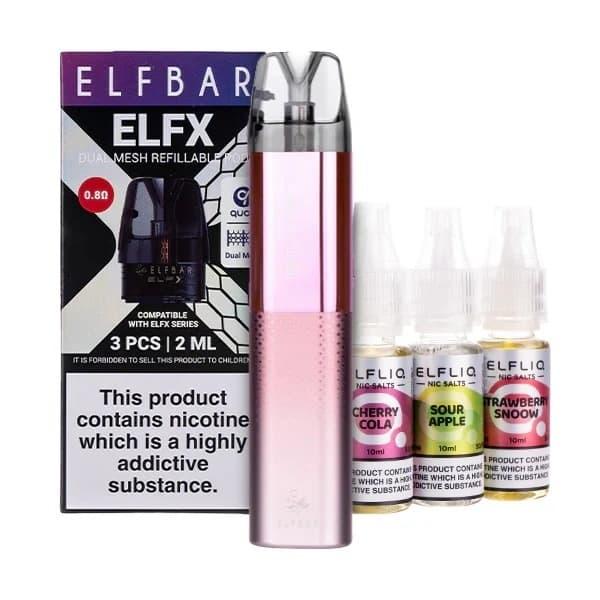
Retailers and marketplaces partnering with IBVape Vape Shop should insist on verified label proofs prior to shipment.
Common pitfalls and how to avoid them
Several recurring issues create friction during customs clearance and market surveillance. Below are common pitfalls and practical remedies:
- Pitfall: Vague product descriptions on invoices. Fix: Use precise model codes, nicotine mg/mL, battery specs and HS codes.
- Pitfall: Missing Vietnamese translations. Fix: Provide label proofs and translated leaflets for all SKUs.
- Pitfall: Incorrect or absent lab certificates. Fix: Secure accredited test reports prior to shipping.
- Pitfall: Claims that imply therapeutic benefits. Fix: Use neutral consumer language and avoid medical claims without proper approvals.
Tariffs, taxation, and fees
Import duties and local taxes may apply differently based on product classification. E-liquids and devices can attract separate tariff headings, and excise treatments may differ for nicotine-containing liquids. Key recommendations:
- Confirm current tariff rates and any excise tax measures with a customs broker familiar with tobacco and nicotine-related classifications.
- Plan cash flow accordingly to cover duties and potential storage fees in the event of extended inspections.
Distribution, retail, and e-commerce considerations
Once products clear customs, sellers must maintain compliance across distribution and retail channels: keep batch records, ensure retailers display mandated warnings, and monitor online marketplace policies which may be stricter than national laws. Sellers linked with IBVape Vape Shop are advised to maintain compliance clauses in contracts with resellers and marketplace listings, requiring accurate descriptions and label conformity.
Operational best practices and record-keeping
Robust records are the backbone of a defensible compliance posture. Essential practices include:
- Maintain an electronic product master file for each SKU containing test reports, label proofs, and certificates.
- Retain shipping and customs documentation for a minimum period aligned with local requirements (commonly 3-5 years).
- Document chain-of-custody for batches to support recalls or investigations.
Enforcement trends and what to watch for in 2024
Vietnam has shown a trend toward greater consumer protection in 2024, increasing inspections of imported nicotine products and stepping up coordination with e-commerce platforms to control unregistered sales. Enforcement may target sellers making unverified health claims or those lacking proper documentation. Staying informed about policy notices and circulars is essential; IBVape Vape Shop recommends subscribing to updates from customs and health authorities or retaining a local compliance advisor.
Risk mitigation and insurance
Consider cargo insurance that covers regulatory seizure and financial loss due to non-compliance. Additionally, contractual clauses with suppliers should allocate responsibility for documentation and testing costs to avoid disputes.
Sample import documentation list
The following documents are often requested during import clearance under vietnam e-cigarette import regulations 2024:
- Commercial invoice with SKU-level details and nicotine strength;
- Packing list detailing quantities, weights, and model numbers;
- Bill of lading or airway bill;
- Certificate of origin;
- Accredited laboratory test reports (chemical analysis and battery safety);
- Label proofs and Vietnamese translations;
- Import permits or health registrations (if applicable);
- Power of attorney for customs broker or local importer;
- Insurance documents.
Pro tip: A single missing document can delay a shipment for weeks. Pre-validate the dossier before goods depart the country of origin.
How IBVape Vape Shop supports sellers
As a brand and facilitator, IBVape Vape Shop provides practical services to help sellers navigate vietnam e-cigarette import regulations 2024, including:
- Compliance audits of label artwork and technical files;
- Coordination with accredited laboratories and translation services;
- Guidance on HS codes and customs pre-classification;
- Recommendations for local partners for importation and distribution;
- Templates for supplier contracts to enforce documentation obligations.
These services reduce uncertainty and help sellers focus on market growth while minimizing compliance risks.
Preparing for a customs inquiry: a step-by-step response plan
When customs raises an inquiry, follow these steps to streamline resolution:
- Immediately gather the product dossier and shipment documentation;
- Engage your customs broker and legal advisor;
- Provide translated lab reports and label proofs;
- If necessary, arrange for post-import testing or inspection at an accredited facility;
- Maintain a log of communications and remedial steps in case of future audits.
Fast, transparent responses reduce the probability of seizure and support a cooperative relationship with regulators.
Practical example: moving an e-liquid SKU through customs
Consider an example e-liquid SKU with 10 mg/mL nicotine. To prepare the shipment under vietnam e-cigarette import regulations 2024:
- Obtain lab analysis confirming nicotine concentration and absence of prohibited substances.
- Prepare labels in Vietnamese with explicit nicotine strength, ingredient list, and manufacturer/importer contact details.
- Classify the SKU with the correct HS code and calculate potential duties and taxes.
- Ship initially as a pilot consignment to test border response and documentation sufficiency.
Following this sequence typically leads to a smoother clearance process and establishes a replicable playbook for additional SKUs.
Maintaining trust with partners and customers
Transparency is essential. Sellers should communicate expected timelines, possible customs checks, and compliance steps to retail partners and end customers. A proactive approach reduces reputational damage in the event of delays.
Monitoring and adapting to regulatory change
Regulatory environments change. Companies should:
- Monitor official circulars and legal updates;
- Engage local counsel when launching new product types or claims;
- Review and update product dossiers annually or when formula changes occur.
IBVape Vape Shop recommends an ongoing compliance review schedule, ideally quarterly, to remain aligned with vietnam e-cigarette import regulations 2024.
Summary checklist for immediate action
Before your next shipment to Vietnam, ensure you have completed these tasks:
- Validated product classification and HS codes;
- Accredited lab test reports for nicotine and battery safety;
- Translated labels and user instructions in Vietnamese;
- Confirmed whether import permits or health registrations are required;
- Designated a local importer of record or bonded logistics partner;
- Packaged products in compliance with child-safety and tamper-evident norms;
- Secured insurance and contractual clarity with suppliers about documentation responsibilities.
The combination of technical diligence, proactive logistics planning, and local partnerships will position sellers to thrive while complying with vietnam e-cigarette import regulations 2024.
Additional resources and next steps
For sellers who want assistance, IBVape Vape Shop offers tailored compliance packages, from dossier preparation to local representation. Prioritize pre-shipment testing and clear labeling to avoid common clearance roadblocks. If in doubt, engage a licensed customs broker and a local legal advisor to interpret nuances of Vietnamese rules and circulars.
Note: Regulations evolve; this guide synthesizes widely accepted practices and common regulatory expectations as of 2024. It is not legal advice. Always verify the latest circulars and official announcements before shipment.
Frequently Asked Questions (FAQ)
Q1: Do all e-cigarette products require an import permit in Vietnam?
A1: Not always. Whether an import permit is required depends on product composition, nicotine content, and local classification. Nicotine-containing liquids often face stricter controls. Confirm with Vietnamese health authorities or a local compliance partner prior to shipment.
Q2: What kind of laboratory test reports are typically requested at customs?
A2: Customs and regulators commonly request ISO/IEC 17025-accredited laboratory reports for nicotine concentration, emissions (if applicable), and battery safety (UN 38.3, IEC standards). Having accredited reports expedites clearance.
Q3: Can an overseas brand handle customs clearance directly?
A3: While possible, it is strongly recommended to appoint a local importer of record or customs broker familiar with vietnam e-cigarette import regulations 2024. Local representation reduces risk and speeds interactions with authorities.
For further assistance, consult with experienced customs brokers and regulatory advisors or contact compliance services offered by merchants like IBVape Vape Shop to develop a tailored market-entry plan.