Insider guidance for choosing the right cell for your vape setup
In the evolving landscape of modern vaping, finding the most suitable power source can feel like a maze. Whether you identify with the brand tone of e-cigaretta enthusiasts or you are performing a careful comparison of an e-cigarette battery for long-term use, this comprehensive guide is designed to give you clear, practical, and safe recommendations. The aim is to increase both vaping performance and safety while keeping search-friendly cues intact for readers seeking high-quality advice online. We emphasize what matters: cell chemistry, capacity, continuous discharge rating, protection features, charging practices, and compatibility with your device.
Why the cell matters more than the shell
The external design of a pod or mod can be flashy, but the heart of any device is its power source. A poor battery choice can lead to inconsistent flavor, reduced vapor production, and in rare cases safety hazards. When you choose a high-quality e-cigarette battery or a reputable product from the e-cigaretta ecosystem, you will notice better ramp-up time, steadier voltage under load, and improved longevity. Consider a pragmatic checklist: nominal voltage, capacity in mAh, continuous discharge rating (CDR or “A” rating), cell chemistry (IMR/INR/ICR), protection circuitry, and physical format that matches your device.
Key technical specs explained
- Nominal voltage: Most single-cell systems run at 3.6–3.7V (Li-ion/LiMn/IMR). Higher-voltage multi-cell configurations demand matched cells and knowledge of series vs parallel wiring.
- Capacity (mAh): Higher mAh typically means longer runtime but often at the cost of size and sometimes discharge capability. An 18650 cell around 3000–3500mAh provides long vape times; smaller 18350 cells may be used for compact devices.
- Continuous discharge rating (CDR): Expressed in amps (A), this value tells you how much current the cell can safely supply consistently. When pairing with sub-ohm coils or high-wattage outputs, choose cells with CDR ratings that exceed the maximum current draw of the device to keep the cell in a safe operating range.
- Internal resistance: Lower internal resistance means less voltage sag under load, quicker heat delivery to the coil, and a more responsive vaping experience.
- Cell chemistry: IMR (LiMn) and INR (NMC) chemistries are common in vaping cells because of their high drain capabilities and relative safety compared to older ICR chemistries. Always prefer reputable OEMs for consistent chemistry and quality.
How to estimate required amperage
Calculating maximum current draw is critical. Use Ohm’s law as a practical tool: Current (A) = Output Voltage (V) / Coil Resistance (Ω). For regulated mods, set a max wattage and compute expected current from the power equation: Current = Power (W) / Voltage (V). Always add a safety margin — selecting a cell with a CDR 20–50% higher than calculated peak current adds a protective buffer and reduces stress on the battery over time.
Battery formats and their real-world trade-offs
Common cylinder formats include 18650, 20700, 21700, 18350, and 26650. Larger formats generally offer higher capacity and sometimes higher discharge ratings, but at the cost of size and weight. Pod users and compact device owners may prefer smaller cells or integrated e-cigarette battery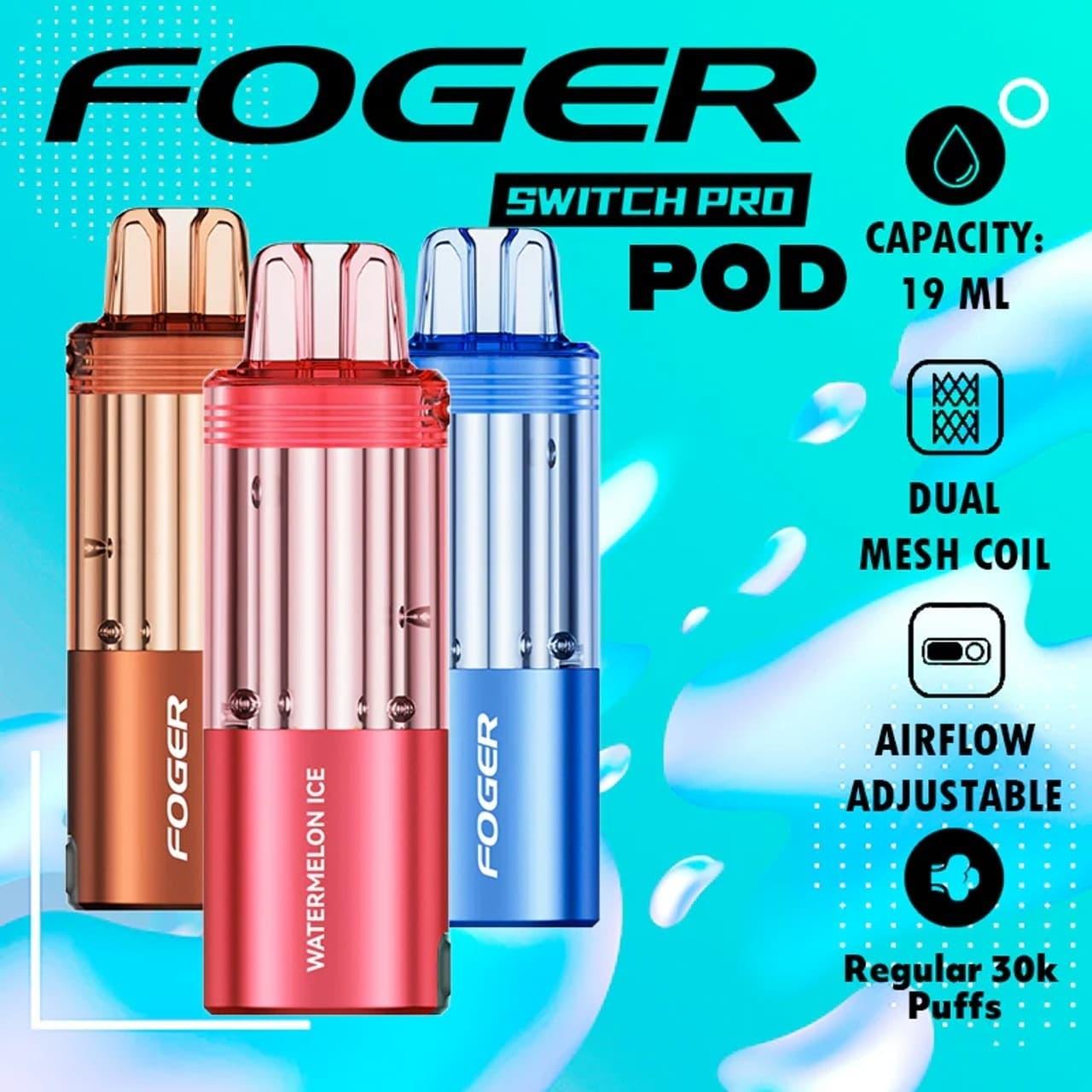 packs engineered for safety, while cloud chasers typically opt for high-drain 21700 or parallel 18650 configurations for sustained high-power delivery.
For those loyal to a specific product family like e-cigaretta, check the manufacturer’s recommended cell types to preserve warranty and compatibility. But also cross-check third-party test results and community feedback for real-world performance insights.
Protection mechanisms and why they matter
Battery protection can be implemented in three places: the cell itself (in the case of protected 18650 cells with a PCB), the device’s built-in electronics, and the external charger. Key protection features include over-discharge cutoff, over-charge cutoff, short-circuit protection, and temperature monitoring. For mechanical mods, which lack internal regulation, use only high-quality cells with the required CDR and follow conservative practices. For most users, a regulated device with solid internal protections combined with quality cells is the safest option.
Charging best practices
Charging safely extends battery life and reduces incidents: use quality external chargers with balancing and conditional charging, avoid constant high-current USB charging that may stress cells, and never leave charging batteries unattended for prolonged periods. For integrated packs labeled as an e-cigarette battery, follow the manufacturer’s charger specification and avoid third-party chargers that don’t match the required charging current or voltage profiles.
Storage, transport, and handling
Store cells at 30–60% charge for long-term storage to minimize stress and capacity loss. Use protective cases to prevent accidental shorting during transit, particularly for loose cells. Avoid extreme temperatures: do not leave batteries in hot cars or freezing environments. When transporting spare cells, use a container designed for battery transport rather than loose pockets.
Recognizing genuine cells vs counterfeit
Counterfeit batteries are a real concern — they can misrepresent capacity and safety specs. Reliable signals of authenticity include consistent branding, legible batch codes, holographic security labels on some OEMs, and predictable dimensions. Also cross-check spec lists on trusted vendor sites and read community tests. If something seems too good to be true — unusually high mAh at a low cost — treat it with suspicion. When in doubt choose known manufacturers with consistent reviews by independent testers.
Performance tuning: matching cell to coil
For flavor and responsiveness, pairing the right coil resistance with an appropriate cell is crucial. Lower-resistance coils draw more current and benefit from cells with high CDR and low internal resistance. If you use a coil that pulls high amps frequently, the optimal choice might be a robust 21700 or a high-drain 18650 with a known CDR. Conversely, mouth-to-lung and low-wattage setups are well served by cells with higher capacity but moderate discharge ratings.
Common mistakes and how to avoid them
- Mixing cell brands in the same device: avoid mismatched cells to prevent unequal discharge and potential imbalance.
- Using damaged wraps: replace cells with torn wraps immediately to prevent metal-to-metal contact.
- Underestimating amperage needs: always allow margin between device draw and cell CDR.
- Improper chargers: never charge high-drain cells with a cheap, unknown charger.
Maintenance tips for extending battery life
Simple habits add up: charge at recommended currents, keep contact points clean, and rotate cells if you have multiple to ensure even usage. Avoid fully depleting a cell frequently; shallow discharge cycles tend to be more forgiving for cell longevity. Consider using a vape-specific battery tester or multimeter to monitor voltage and health over time.
Shopping strategies and checklist
When choosing an e-cigarette battery or a branded power option like those endorsed around e-cigaretta, evaluate these criteria: manufacturer reputation, CDR rating, mAh capacity, cell chemistry, authentic packaging, seller credibility, and return policy. Favor vendors that provide batch information and safety testing. For regulated devices, ensure the firmware supports the cell type and that any firmware updates are from the manufacturer.
How to read labels and specifications
Labels can be dense, but focus on the mAh, nominal voltage, CDR (or sometimes listed as “max continuous discharge”), and chemistry (IMR/INR/ICR). If a spec sheet lacks a CDR but claims extreme performance, dig deeper or choose another option. Community databases and verified test sites are useful cross-references.
For SEO-conscious readers searching for guidance, terms like e-cigaretta and e-cigarette battery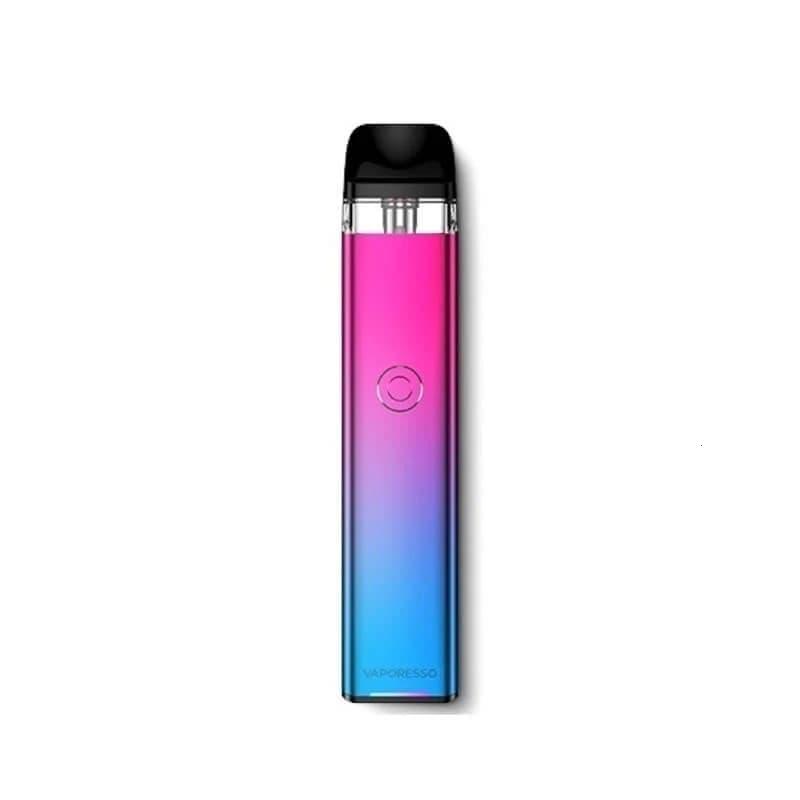 should be used naturally in queries such as “battery safety tips e-cigaretta” or “best e-cigarette battery for sub-ohm vaping,” and this article intentionally repeats those keyword phrases in contextually relevant places to help match user intent and deliver meaningful content.
Quick decision flow for buyers
- Define your vaping style (MTL vs DTL, wattage range).
- Estimate maximum amperage draw using coil resistance and device output.
- Choose a cell with CDR comfortably above that calculated current.
- Check capacity and physical fit for your device.
- Buy from reputable sources and verify authenticity.
Adhering to this flow helps you balance performance and safety. If your priority is extended runtime, lean toward higher mAh cells with adequate CDR; if peak performance and fast ramp-up are critical, prioritize low internal resistance and high CDR.
Practical example scenarios
Scenario A: A daily commuter using a compact pod (low wattage) will benefit from a high-capacity 18650 or an integrated e-cigarette battery pack specified by the manufacturer. Scenario B: A cloud chaser with a dual-battery mod running low resistances should choose matched high-drain 21700 cells or high-discharge 18650 cells with sufficient CDR and proven brand testing. Always pair cells in multi-cell devices as instructed and avoid mixing old and new cells.
Signs of a declining battery and when to replace
Watch for voltage sag, reduced runtime, physical swelling, unusual heat during discharge or charge, and inconsistent performance. If you observe any of these signs, retire the cell safely and replace it. Dispose of lithium cells at designated recycling points — never throw them in regular trash.
Accessories that improve safety and convenience
Invest in a quality external charger that supports multiple chemistries and offers conditional charging. Use silicone or hard cases for carry, and keep spare wraps and a small multimeter or cell checker in your toolkit for regular diagnostics. These small expenses can prevent major problems and prolong the life of your e-cigarette battery.
Community wisdom and manufacturer guidance
Forums and verified reviewers often test batteries under real-world conditions and post voltage sag charts, thermal imagery, and CDR confirmations. Cross-reference manufacturer spec sheets with independent tests; the overlap between both sources is the best indicator of a reliable product. Manufacturers in the e-cigaretta niche often publish recommended cell lists — use those as starting points, then verify through third-party tests and user reports.
Final checklist before purchase
Confirm: compatibility, CDR > device draw + margin, acceptable mAh, authentic source, and presence of manufacturer or community-backed tests. Safety-wise, ensure you have: an approved charger, a protective case for spares, and knowledge of how to read cell wraps and specs.
Implementing these practices will markedly improve your vaping experience: more consistent flavor, steadier vapor production, and significantly reduced risk. Whether you are searching for a specialized e-cigaretta accessory or a reliable replacement e-cigarette battery, clear criteria and safe habits make the difference between a satisfactory and an exceptional setup.
Actionable day-one routine
Unbox new cells, visually inspect for defects, charge with a trusted charger to the recommended level, and run your first session with conservative wattage. Monitor temperature and performance; if anything feels off, stop and re-evaluate. Documenting early behavior helps identify premature faults and allows timely returns or replacements.
Knowledge is the best safeguard: learn your device’s limits, respect cell specifications, and integrate regular maintenance. These steps preserve both the device and the investment in batteries while maximizing enjoyment.
Resources and further reading
Look for battery test reports, community-run databases, and manufacturer technical notes to deepen your understanding. Well-documented tests include discharge curves, internal resistance measurements, and thermal behavior under load.
FAQ
Q: How do I know if a battery’s CDR is sufficient for my coil?
A: Calculate expected current draw (amps) using Ohm’s law and ensure the cell’s CDR rating exceeds that value by at least 20–50% to create a safety buffer.
Q: Can I mix different brands of cells in the same device?
A: It’s not recommended. Use cells of the same brand, model, age, and charge state to avoid imbalance and unequal discharge.
Q: Is a protected 18650 always safer than an unprotected one?
A: Protected cells add a layer of safety for accidental conditions, but protection can be redundant if the device already has robust circuitry; still, for most users, protection reduces risks in everyday handling.
Embrace deliberate choices: by matching the right e-cigarette battery to your vaping style, sticking to safe charging and handling practices, and choosing reputable sources for e-cigaretta-adjacent products, you can boost both the performance and safety of your setup significantly.