Consumer Safety Brief: Understanding Electronic Cigarette Risks and Legal Protections
If you or a loved one experienced a thermal injury, facial scarring, or other trauma after a device malfunction, this resource aims to clarify practical steps, safety context, and the legal pathways available to victims of vapor product failures. The phrase E-cigarete appears in many consumer alerts and product recalls; whether the spelling is variant or a specific label, the safety pattern is similar: batteries, charging devices, and design defects can cause overheating, fires, or explosions that injure users. When such an event occurs, a defective e cigarette injury attorney north port fl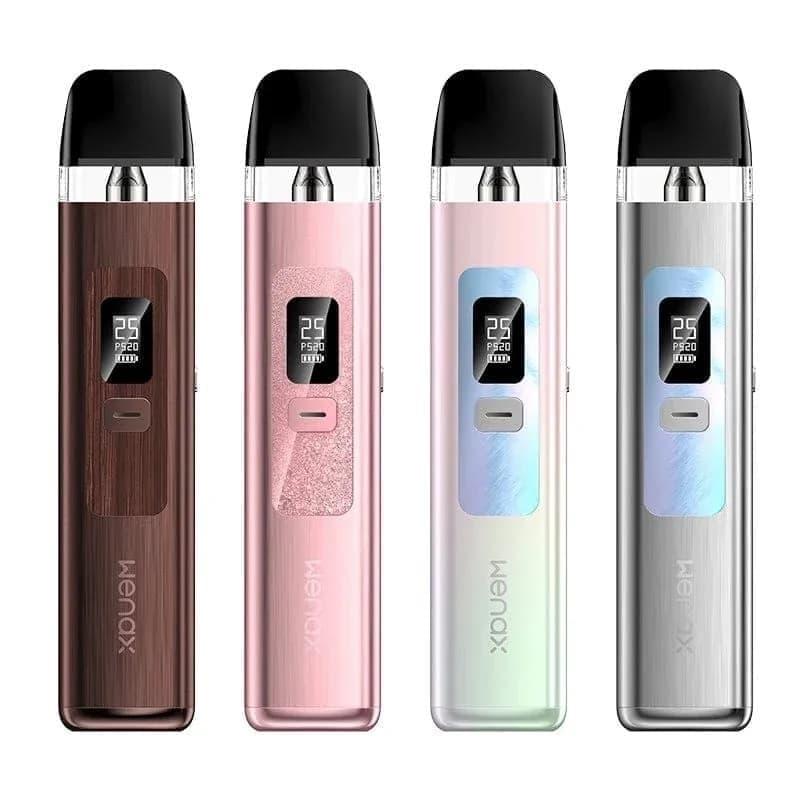 can be a critical advocate to help you recover medical costs, lost income, and compensation for pain and suffering. This page explains common mechanisms of harm, immediate actions to reduce further damage, and how specialized counsel builds cases on behalf of victims.
Why device failures happen: technical and human factors
Electronic nicotine delivery systems encompass batteries, packs, atomizers, wicks, coils, and electronic control circuitry. Failures can result from manufacturing defects, design flaws, unsafe battery chemistries, inadequate safety features, incompatible third-party components, or negligent quality control. In many incidents the proximate causes include:
- Battery thermal runaway due to internal short-circuits or improper cell assembly.
- Use of non-OEM chargers or mismatched batteries that bypass protection circuits.
- Defective protective circuitry failing to limit current or temperature.
- Poor device ventilation or placement against skin and flammable materials.
- Unknown manufacturing contaminants causing shorts or cell instability.
How injuries present
Burn patterns vary depending on the magnitude and vector of the failure. Common injuries include first- through third-degree burns, shrapnel wounds from ruptured casings, inhalation of hot aerosols or combustion byproducts, dental and ocular injuries, and psychological trauma. A E-cigarete event may also cause property damage—clothing, upholstery, or electronics may ignite. Immediate medical assessment is essential; even seemingly minor burns can become infected or evolve into more severe tissue damage.
Immediate steps after a thermal or explosive event
The initial minutes and hours after an incident determine both health outcomes and legal evidence. Follow these prioritized actions:
- Get medical care immediately. Document every medical visit and treatment plan—records are critical for claims.
- Preserve evidence. Do not discard the device, battery, charger, packaging, or associated accessories. Photograph the device in situ, the battery, serial numbers, and the surrounding scene, including clothing and room damage.
- Collect witness statements and contact details. If others were present, record their accounts while memories are fresh.
- Report the incident to the retailer and manufacturer. Keep records of communications and any returned packaging or forms.
- Limit social media posts that could be used by defense counsel to challenge symptom severity or the chronology.
Why consult a specialized attorney?
Product liability claims require technical and procedural expertise. A local advocate experienced with battery failures and device recalls can:
- Arrange early forensic testing of the battery and device by accredited labs to determine the root cause.
- Preserve chain-of-custody for evidence and ensure testing is admissible in court.
- Coordinate with medical experts to document causation and damages, including future care needs.
- File appropriate claims against manufacturers, distributors, retailers, and component suppliers when negligence or defect is proven.
- Negotiate fair settlements or, when necessary, take cases to trial.
Experienced counsel also understands the interplay of state tort law, product liability statutes, and any local consumer protection regulations specific to Florida. In North Port, FL, a lawyer focusing on device-related injuries will know local court procedures and medical specialists who frequently testify in these cases.
Types of legal claims in e-cigarette incidents
Possible legal theories include:
- Strict liability for manufacturing defects—when a specific unit differs from intended design and is unreasonably dangerous.
- Design defect claims—when the product design creates inherent danger even if built as intended.
- Failure to warn—when manufacturers or marketers fail to provide adequate instructions, warnings, or contraindications about safe use.
- Negligence in quality control, component sourcing, or testing.
- Breach of express or implied warranty—when product performance or safety guarantees are not honored.
Evidence categories that strengthen claims
A strong case relies on a collection of evidence. Typical categories include:
- Physical evidence: the defective device, battery pack, charger, and packaging.
- Photographs & video: damage, wound photos, scene photos, and stored footage if available.
- Medical records: ER notes, treatment plans, surgical reports, and rehabilitation documentation.
- Expert reports: forensic engineers, battery scientists, and medical specialists.
- Manufacturing records: production logs, inspection reports, and recall histories if relevant.
Common manufacturer defenses and how attorneys counter them
Manufacturers may attempt several defenses: misuse by the consumer, use of aftermarket batteries or chargers, absence of causation, or pre-existing conditions that magnify injuries. A seasoned defective e cigarette injury attorney north port fl anticipates these arguments and prepares rebuttals by:
- Demonstrating that the product failed even under normal expected use or due to insufficient warnings.
- Showing that the manufacturer provided misleading or incomplete compatibility guidance.
- Using forensic analysis to pinpoint an intrinsic defect rather than misuse.
- Presenting medical testimony that links the device failure directly to the observed injuries.
“Early preservation of the device and consultation with technical experts often determines whether a claimant can prove the defect and recover full damages.”
Key timelines and statute of limitations
Time matters. In Florida, personal injury statutes of limitations set deadlines for filing claims; delaying legal consultation risks losing the right to sue. A local attorney will calculate deadlines based on the incident date, injury discovery rules, and any tolling events, and will pursue litigation or preservation steps like spoliation letters if necessary.
Medical care and damage assessment
Accurate, forward-looking damage assessment includes quantifying:
- Immediate medical expenses: emergency care, hospitalization, surgeries, medications.
- Ongoing care: physical therapy, wound care, reconstructive surgery, prosthetics.
- Lost income and reduced earning capacity due to disability or disfigurement.
- Non-economic damages: pain, suffering, emotional distress, and loss of consortium when applicable.
A E-cigarete incident can have long-term consequences; attorneys coordinate with life-care planners and vocational experts to estimate future costs and build comprehensive damages models.
Choosing the right attorney in North Port and Sarasota County region
Look for specific qualifications:
- Proven experience handling lithium-ion battery failures or other device-related personal injury claims.
- Relationships with accredited forensic labs and medical specialists.
- Track record of negotiated settlements and trial verdicts for similar injuries.
- Clear fee structures and contingency agreements that align lawyer incentives with client recovery.
Interview prospective counsel about their strategy for preserving evidence, working with technical experts, and communicating with insurers and manufacturers. A local firm experienced with Florida product liability law helps ensure deadlines and discovery obligations are satisfied.
Preventive steps for consumers
While manufacturers and regulators share the responsibility to minimize hazards, consumers can reduce risk by:
- Using OEM chargers and batteries specified by the manufacturer.
- Avoiding carrying loose batteries in pockets or alongside metallic objects.
- Replacing batteries at manufacturer-recommended intervals and avoiding visibly damaged cells.
- Following charging instructions and removing devices from charging when unattended.
- Registering devices with manufacturers to receive recall notices.
Regulatory landscape and recalls
Regulatory bodies have issued recalls when clusters of failures indicate systemic issues. Consumers should monitor recall lists and safety advisories. When a product is recalled, affected owners may be entitled to repair, replacement, or refunds, and evidence of a recall can support liability claims against manufacturers who failed to prevent hazardous products from reaching the market.
How legal fees and settlements typically work
Most product liability attorneys operate on a contingency fee basis: no upfront fees; the attorney collects a percentage of recovered monies. This arrangement allows injured parties to pursue claims without immediate out-of-pocket costs. Attorneys will also advance the costs of expert testing, depositions, and court filings, which are reimbursed from settlement proceeds. A fair contingency agreement should be transparent about percentages, costs, and client responsibilities.
Case milestones and realistic expectations
Every case is unique, but typical stages include: intake and evidence preservation, laboratory and medical expert evaluation, demand and negotiation with responsible parties and insurers, potential filing of lawsuits, discovery and depositions, and either settlement or trial. Timelines vary from months (for early settlements) to multiple years if complex litigation or appeals occur.
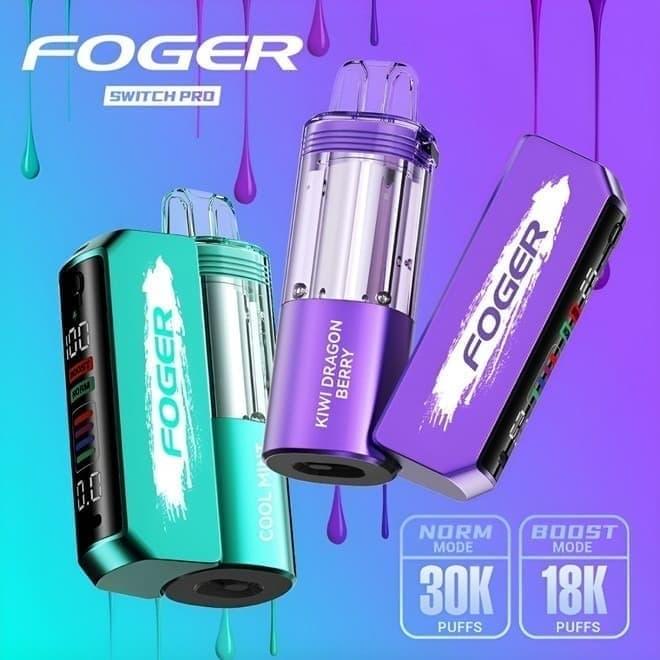 E-cigarete consumer alert, how a defective e cigarette injury attorney north port fl can protect your rights after burns or explosions” />
Questions to ask at your initial consultation
Bring documentation and be prepared to ask:
- Have you handled cases involving battery failures or e-cigarette explosions?
- Which experts will you use to evaluate my device and injuries?
- How will you preserve and test the physical device and battery?
- What are the likely responsible parties in my case?
- How are your fees structured?
Summary and next steps
In summary, injuries linked to a malfunctioning vaping device require immediate medical attention, meticulous evidence preservation, and legal advocacy to secure full compensation. Whether the incident involved a brand labeled E-cigarete or another maker, the same investigative and legal principles apply. Contacting a knowledgeable defective e cigarette injury attorney north port fl promptly can protect your legal rights, coordinate technical analyses, and negotiate with liable parties and insurers on your behalf.
For location-specific guidance, look for attorneys who list product liability, personal injury, and consumer safety experience on their profiles. Documentation, accurate timelines, and preserved evidence are the foundations of a compelling claim; seasoned counsel will help you compile a thorough, persuasive case file.
Frequently Asked Questions
Q1: What should I do with the device after it explodes?
A: Do not discard it. Preserve the device and battery in a safe location, take multiple photographs, record serial numbers and model info, and consult an attorney who can arrange forensic testing under chain-of-custody protocols.
Q2: How quickly must I act to protect my claim?
A: Act immediately on medical care and evidence preservation. Florida statutes impose filing deadlines; consulting an attorney within days or weeks helps safeguard legal options and prevents spoliation of critical evidence.
Q3: Can I sue if I used non-OEM accessories?
A: Possibly. Liability depends on causation; if the core product or its instructions failed to warn about risks of third-party components, a manufacturer may still bear responsibility. Forensic testing will clarify causation.