Understanding the Rise of e-smoke and Its Market Dynamics
The proliferation of e-smoke products has significantly changed the landscape of nicotine consumption worldwide. As ban on e cigarettes regulations become more prevalent, it is crucial to examine their multifaceted effects on the vaping industry. These regulations vary widely, from complete prohibitions to partial restrictions, impacting both consumers and manufacturers.
Vaping, as an alternative to traditional smoking, has enjoyed rapid adoption due to perceptions of reduced harm and enhanced convenience. However, regulatory bodies, motivated by public health concerns, aim to control the proliferation of e-smoke products, citing potential risks and youth access issues.
The Ban on E Cigarettes: Scope and Implementation
Regulatory actions targeting e-smoke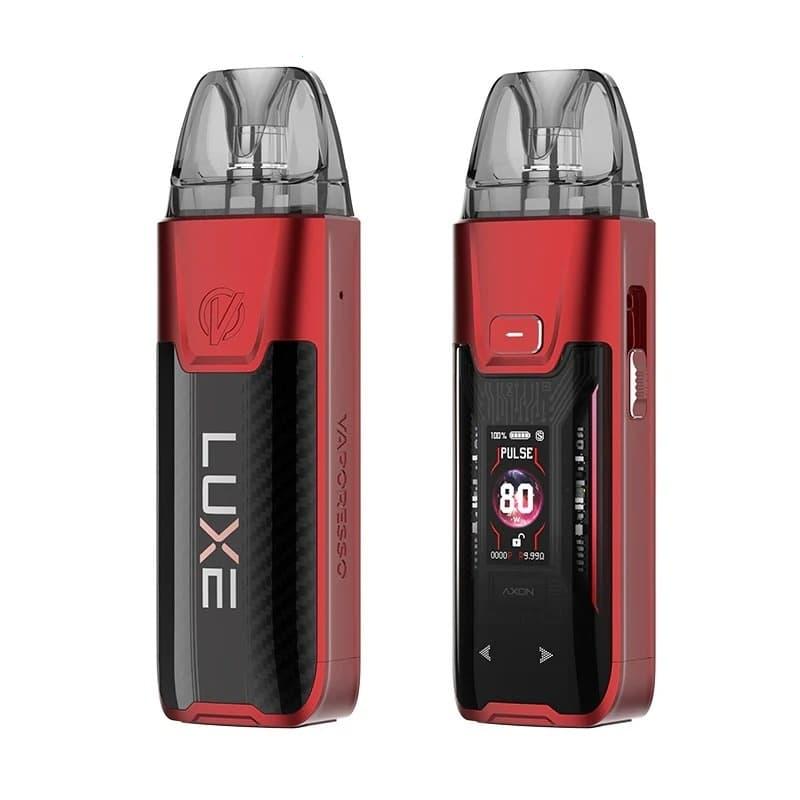 typically address sales restrictions, advertising limits, flavor bans, and outright market prohibitions. Countries like India and Brazil have enacted stringent ban on e cigarettes measures, while others implement layered frameworks balancing harm reduction with risk management.
These measures profoundly influence market behavior, with manufacturers adapting by innovating product lines or shifting focus to unregulated territories. The legal atmosphere introduces uncertainty, affecting investor confidence and supply chain stability.
Consumer Response and Behavioral Impact
As restrictions on e-smoke intensify, users often experience shifts in purchasing patterns. Some may revert to traditional tobacco products, while others turn to black-market alternatives. This consumer dynamic exacerbates the overall public health debate, emphasizing the complexity underpinning ban on e cigarettes policies.
Furthermore, education campaigns aimed at dispelling myths surrounding vaping coexist with regulatory enforcement, producing a nuanced marketplace where consumer awareness is pivotal.
Economic Consequences within Vaping Markets
Market analysts observe that e-smoke bans can induce significant economic ramifications, including job losses in manufacturing and retail sectors linked to vaping. Conversely, regions with regulated but permissive e-smoke policies may experience vibrant growth and innovation, reinforcing the critical balance policymakers must strive to achieve.
Moreover, tax revenues from vaping product sales represent a growing fiscal component in jurisdictions where ban on e cigarettes is not absolute, underscoring economic incentives inherent in regulatory decision-making.
The Future Outlook: Innovations Amidst Regulation
Technological advancement continues to shape e-smoke devices, focusing on safer, user-friendly designs that comply with evolving legal frameworks. Industry stakeholders invest heavily in research to align product development with health standards and consumer expectations.
Regulatory landscapes remain dynamic; thus, adaptability is paramount for sustaining market presence. Stakeholders engage in dialogues with governments to craft policies fostering responsible vaping while safeguarding public health.
FAQ About e-smoke and Regulatory Bans
- What are common reasons for implementing a ban on e cigarettes?
- Governments primarily aim to prevent youth uptake, address health concerns, and regulate product safety to reduce public health risks.
- How do bans affect the availability of e-smoke products?
- Bans can limit legal sales, increasing the reach of illicit markets, which may compromise product quality and user safety.
- Can e-smoke bans stimulate innovation?
- Yes, restricting markets often drives manufacturers to develop compliant, safer alternatives and explore new technologies.
- What impact do these regulations have on smokers considering switching?
- Strict bans may discourage smokers from switching to vaping, potentially reducing harm reduction opportunities.