Understanding the Evolution of Vape Products and ICD 10 Coding for E Cigarette Use
Within the rapidly evolving landscape of nicotine consumption, vape devices and their associated usage patterns have become a central topic across healthcare, regulation, and lifestyle spheres. A crucial aspect in understanding the public health implications of vaping is the proper identification and coding, most notably the e cigarette use icd 10 classification, which allows for organized data collection, trend analysis, and epidemiological monitoring.
Defining Vape and Its Rising Prevalence
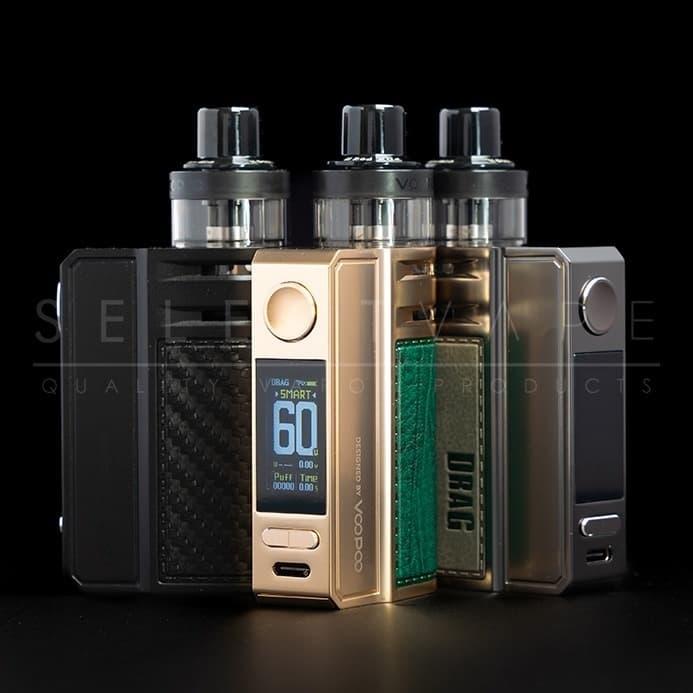
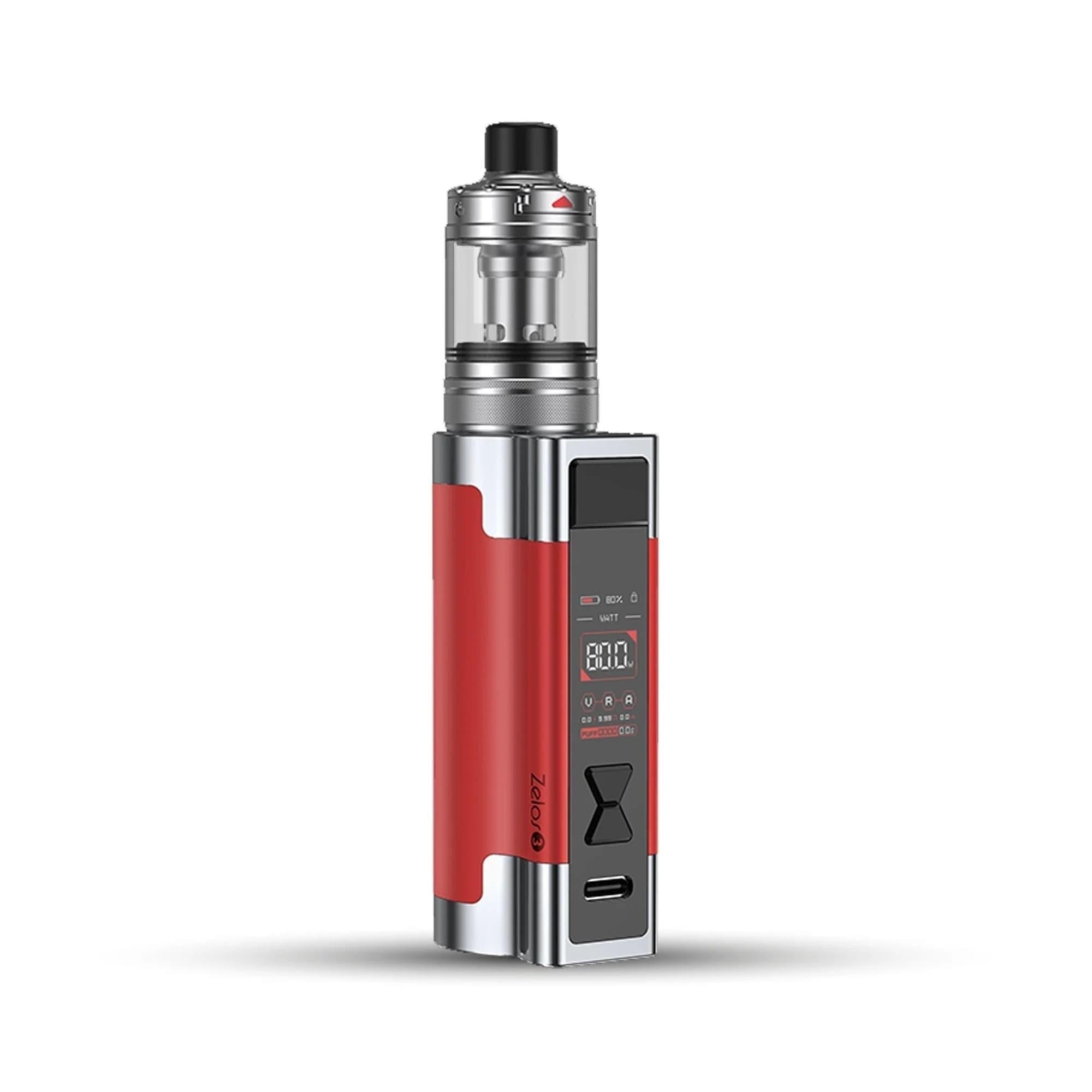
The cultural and technological rise of vape products has reshaped the way nicotine is consumed. Traditionally, tobacco smoking was the dominant mode; however, electronic nicotine delivery systems (ENDS), commonly referred to as e-cigarettes or vapes, have surged in popularity, especially among younger demographics. Market research and medical studies consistently track the exponential growth and variation in vape devices, e-liquids, and user habits.
Vape Usage: Demographics and Patterns
- Young adults and adolescents display the fastest rising rates of vape use globally.
- Flavored e-liquids and discrete device designs contribute to the pervasive adoption of vape products.
- Dual or poly-use, where individuals use both traditional cigarettes and vape devices, introduces new complexity into public health analysis relating to e cigarette use icd 10 coding.
The Importance of Proper Medical Coding: E Cigarette Use ICD 10
To systematically capture health encounters and monitor trends related to vaping, medical professionals utilize the International Classification of Diseases, 10th Revision (ICD 10). The term e cigarette use icd 10 refers specifically to the coding standard for documenting patient history, diagnoses, morbidity, and mortality associated with vape and e-cigarette usage.
Categories and Specific Codes
The e cigarette use icd 10 codes generally fall within the following categories:
- F17.2 — Nicotine dependence (with extensions for type of product, such as vaping).
- T65.291A — Toxic effect of other nicotine and tobacco, accidental (unintentional), initial encounter.
- T40.7X1A — Poisoning by cannabis (derivatives), accidental.
- Z87.891 — Personal history of nicotine dependence (including e-cigarette or vape use).
The accurate application of e cigarette use icd 10 coding is critical for ongoing research and resource allocation, contributing to reliable data that can inform policy and educational initiatives.
Impact of Vape Trends on Healthcare Reporting and Surveillance
The merging of vape trends and healthcare reporting is central to addressing the shifting habits related to e cigarette use icd 10. With the expansion of available vape products, clinicians and epidemiologists require consistent and precise health record documentation to:
- Track the associations between vape usage and emergent health conditions, such as EVALI (E-cigarette or Vaping product use Associated Lung Injury).
- Identify risk factors and causative trends that differ from conventional smoking habits.
- Effectively coordinate intervention strategies, including cessation programs tailored to vape product users.
Evolving Insights into E Cigarette Use ICD 10 Based Research
Robust data captured through e cigarette use icd 10 coding allows researchers and policymakers to:
- Quantify the incidence of vape related health emergencies.
- Monitor shifts in patterns, such as transitioning from traditional smoking to exclusive or dual vape
 use.
use. - Assess the efficacy of educational campaigns and regulatory measures over time.
Linking Vape Trends with Health Outcomes
Emerging analysis increasingly links vape use to specific respiratory and cardiovascular concerns, with distinct presentations compared to traditional cigarette users. Datasets categorized under e cigarette use icd 10 enable cross-sectional and longitudinal analysis, supporting the identification of both acute and chronic effects associated with vape product consumption.
Societal and Regulatory Perspectives on Vape and ICD 10 Coding

Accurate classification via e cigarette use icd 10 extends beyond clinical care, impacting:
- Government resource planning for addiction services and public awareness.
- School and community health initiatives aiming to curb adolescent vape experimentation.
- Insurance coverage and billing efficiency relating to nicotine dependence and related complications.
Key Challenges and Opportunities
Despite advancements in e cigarette use icd 10 refinement, challenges include:
- Rapid product evolution outpacing the specificity of available ICD 10 codes.
- Underreporting or misclassification due to lack of awareness or patient disclosure of vape use.
- International disparities in both vaping regulations and coding practices.
These challenges present opportunities to update classification systems and train healthcare professionals in detailed, unbiased patient interviews for precise e cigarette use icd 10 code assignment.
The Future of Vape Surveillance and Coding
Looking forward, the synergetic relationship between vape product innovation, usage trends, and medical coding will only intensify. Improved nuances in the e cigarette use icd 10 system will empower stakeholders to:
- Detect & intervene in adverse health events early.
- Develop more nuanced prevention campaigns targeting specific demographic or behavioral risk patterns.
- Support longitudinal studies comparing generational impacts of vape and traditional cigarette use.
Vape Epidemiology in the Era of Big Data
Digital health records and mobile health applications, now regularly integrated into care, have made it easier to collect, tag, and analyze data on vape behaviors through ICD-coded entries. This ongoing digitization in relation to e cigarette use icd 10 will likely produce richer, more actionable insights.
Concluding Thoughts: Vape, E Cigarettes, and the Significance of ICD 10
In summary, the intersection of vape product evolution and precise e cigarette use icd 10 coding represents both a challenge and an opportunity for modern health systems. As vaping continues to shape contemporary nicotine consumption narratives, refined coding methods and regular data updates will ensure that public health responses remain timely and relevant. It is imperative for practitioners, policymakers, and researchers alike to remain engaged with latest trends, coding guidelines, and epidemiological findings to drive impactful interventions and, ultimately, protect population health.
FAQ: Vape, E Cigarette Use, and ICD 10
- What ICD 10 code is commonly used for e cigarette use?
- The most commonly used ICD 10 codes for documenting e cigarette or vape use include F17.2 for nicotine dependence and additional codes like T65.291A and Z87.891, depending on clinical circumstances.
- How has vape usage impacted healthcare data collection?
- Vape usage has necessitated more detailed health data tracking, fostering the development and refinement of ICD 10 codes to accurately capture vaping-related diagnoses and health events.
- Can e cigarette use ICD 10 codes help in public health planning?
- Yes, the aggregation of data through properly assigned e cigarette use icd 10 codes enables health agencies to design targeted campaigns, evaluate policy impacts, and allocate resources strategically.