E-papierosy: Global E-cigarette Landscape and South Korea’s 2025 Regulatory Shifts
E-papierosy, known commonly as electronic cigarettes or vape products, have experienced exponential growth in both consumer demand and market diversification internationally. As regulatory authorities across nations strive to balance public health concerns with market innovation, regions such as South Korea have garnered significant attention for their forward-looking approach to e-cigarette import policies scheduled for 2025. This article presents an in-depth perspective on the evolving E-papierosy industry, focusing on how South Korea e-cigarette import regulations 2025 are set to shape the future global market landscape, enforce compliance, and drive new opportunities.
Understanding the E-papierosy Industry
- E-papierosy products include a diverse range of devices, liquids, coils, and cartridges designed to deliver nicotine and other flavors via vapor without combustion.
- The surge in popularity of E-papierosy has led to dynamic market expansion and technological advancement, with manufacturers innovating safer, high-performance devices and specialized e-liquids.
- Growing awareness about smoking cessation has increased global adoption rates; countries including South Korea are experiencing unique trends that impact international market dynamics.
Overview of South Korea’s E-cigarette Market
In recent years, South Korea has emerged as a significant player in the Asia-Pacific region’s e-cigarette sector, both as a consumer base and as a regulatory innovator. The government’s evolving stance on e-cigarette import regulations, particularly concerning the 2025 framework, is expected to send ripples throughout the E-papierosy supply chain and influence product standards globally.
2025: Changes in E-cigarette Import Regulations in South Korea
South Korea e-cigarette import regulations 2025 are anticipated to introduce stricter quality controls, enhanced product authentication protocols, and more transparent tax and labeling requirements. Key aspects include:
- Mandatory Certification: All E-papierosy imported into South Korea will need comprehensive certification proving safety against contaminants and compliance with local health guidelines.
- Ingredient Disclosure: Manufacturers must supply detailed ingredient lists for e-liquids, including nicotine origins and additives, providing traceability for authorities and reassurance for consumers.
- Packaging and Labeling: The new regulations will require risk warnings in Korean language, standardization of packaging designs, and anti-counterfeiting features on all e-cigarette products.
- Restricted Substances: Specific chemicals commonly found in some international e-cigarette brands will be banned, necessitating reformulation for many E-papierosy products.
- Import Licensing: Every importer will need a verified license and be subject to periodic audits, raising the standards for market entry and operations.

How E-papierosy Businesses Can Prepare
The introduction of South Korea e-cigarette import regulations 2025 offers both strategic risks and opportunities for global businesses operating in the E-papierosy niche. Key preparatory steps include:
- Compliance Infrastructure: Building robust internal protocols for product certification and regulatory documentation to ensure a smooth import process.
- Supply Chain Audits: Evaluating existing supply chain partners, especially sources of e-liquids and device components, to verify compliance with new restricted substance lists.
- Labelling Systems: Investing in flexible packaging production that can adapt to future regulatory changes in language, design, and anti-counterfitting markers.
- Market Education: Training regional distributors and marketers regarding new legal requirements to avoid costly infractions.
- Research & Development: Proactively sourcing alternative ingredients and device materials in anticipation of regulatory bans or reformulation needs.
The South Korean Consumer Perspective
For end-users, the evolving South Korea e-cigarette import regulations 2025 will provide measurable benefits, enhancing safety, transparency, and product reliability. Consumers are likely to see:
- Improved quality assurance for imported E-papierosy devices and liquids.
- Clearer product information and health risk warnings, facilitating informed purchase decisions.
- Access to a regulated marketplace with minimized counterfeit risks and product scams.
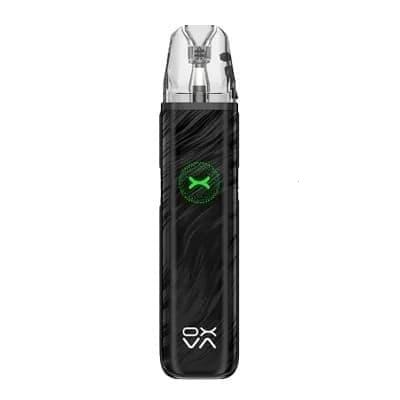
Global Impacts of Korean E-cigarette Regulation
The ripple effect of South Korea’s regulatory evolution will be felt globally. International E-papierosy manufacturers seeking market entry must align with these heightened standards, resulting in:
- Product innovation: To gain compliance, manufacturers may invent lower-risk formulations and smarter device technologies, driving global improvements in e-cigarette quality.
- Regulatory benchmarking: Other countries, especially within Asia-Pacific, might adopt similar policies, creating an increasingly harmonized regulatory environment and reducing cross-border disputes.
- Market transparency: Enhanced product tracking and labeling will minimize black-market activities, protecting legitimate businesses and consumers alike.
- Increased consumer trust: These measures are set to heighten consumer confidence in E-papierosy products imported into South Korea and potentially across Asia.
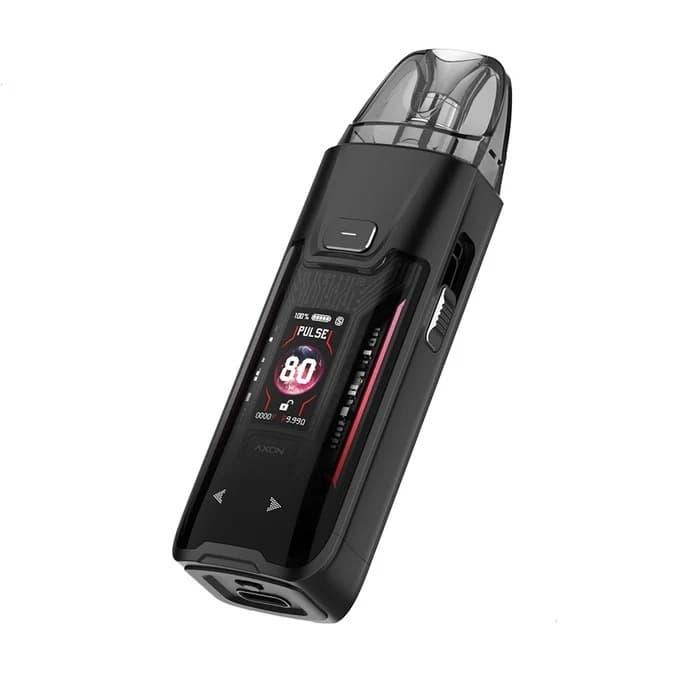
The Future Outlook for E-papierosy Industry
As we approach 2025, the E-papierosy industry must adapt to not only South Korea’s new regulatory landscape but also to broader global trends. Sustainability, innovation, and consumer advocacy will become increasingly central to business models. Key trends to watch include:
- Sustainable Practices: Eco-friendly manufacturing processes and recyclable packaging materials will gain importance amidst global environmental concerns.
- Advanced Research: Investment in scientific research to prove the relative safety and efficacy of E-papierosy compared to traditional tobacco products.
- Digital Commerce: As regulations become more stringent offline, digital marketplaces will facilitate compliance and distribution, aided by AI-based product verification systems.
- Consumer-Centric Innovations: Customizable devices and flavors tailored to local preferences will play a central role, provided they adhere to legal limits.
Navigating Compliance Challenges
Manufacturers and importers will need to tackle several compliance obstacles as part of the South Korea e-cigarette import regulations 2025 overhaul. These challenges include navigating documentation complexity, interpreting ambiguous product specifications, and responding to frequent updates on the Ministry of Health’s import guidelines. Companies are recommended to collaborate with local legal experts and consult compliance agencies to stay abreast of potential pitfalls and ensure continued market access.
Conclusion: Positioning for Success in a Changing Regulatory Environment
The sweeping changes to South Korea e-cigarette import regulations 2025 signify a turning point for the E-papierosy sector, compelling brands to embrace transparency, innovate responsibly, and cultivate consumer trust. With the right strategic investments, international businesses can transform challenges into growth opportunities and contribute positively to public health and safety within South Korea’s thriving e-cigarette ecosystem.
Frequently Asked Questions about E-papierosy & South Korea E-cigarette Import Regulations 2025
- What is the impact of South Korea’s new import rules on E-papierosy manufacturers?
- Manufacturers must comply with stricter certification, ingredient disclosure, and anti-counterfeiting standards. Non-compliance risks market exclusion and legal penalties.
- Will South Korea ban flavors in imported e-cigarettes?
- The 2025 regulations focus on banning specific harmful chemicals, but do not outright ban popular flavors unless they contain restricted ingredients.
- How can consumers verify the authenticity of imported E-papierosy products?
- Products will have mandatory anti-counterfeit packaging features and standardized labeling with health warnings in Korean, ensuring greater reliability and transparency.
- What are the biggest challenges for E-papierosy brands aiming to enter South Korea?
- Adapting to complex documentation, ingredient reformulation, and dynamic compliance updates will require strategic investment in regulatory expertise and supply chain management.