Introduction to E Papieros Trends in Malaysia
In recent years, e papieros has become a prominent term within Malaysia’s ever-evolving vaping culture. As Malaysians continue to embrace alternatives to traditional smoking, the e-cigarette market has experienced notable growth, driven by technological advancements, shifting consumer preferences, and regulatory developments. Understanding the trends and legal landscape of e papieros and Malaysia e-cigarette regulation is essential for consumers and industry stakeholders alike.
The Rise of E Papieros in Malaysian Society
The appeal of e papieros among Malaysian adults stems from multiple factors: accessibility, variety, customizable options, and the perception of reduced harm compared to combustible tobacco products. Over the past decade, vape shops have multiplied across urban centers, offering a wide assortment of e-cigarettes, pods, and fluids. Many enthusiasts prefer e papieros for its discreet design and for the ability to choose from nicotine-free options, reflecting a societal shift away from cigarettes.
Flavor innovation is also a key driver. Malaysian brands and international e-cigarette companies invest heavily in research and development, producing unique e-liquid combinations tailored to regional tastes, such as tropical fruits, tea blends, and dessert-inspired profiles. This diversification not only empowers consumers but also propels the popularity of e papieros devices.
Malaysia E-Cigarette Regulation: Current Laws and Policy Overview
The legal status and regulatory framework surrounding e papieros and e-cigarettes in Malaysia have undergone considerable transformation. Guided by health authorities and government agencies, Malaysia e-cigarette regulation seeks to balance public health concerns, consumer demand, and industry growth. Key regulatory points include:
- Minimum age requirements for purchasing or possessing e-cigarettes (typically 18 years).
- Restrictions and taxation on nicotine-containing vaping products, with some states enforcing stricter controls than others.
- Obligations for retailers regarding product labeling, advertising, and display.
- Registration of e-liquids and devices through official channels.
Efforts to clarify Malaysia e-cigarette regulation continue, with proposals for specialized licensing, mandatory ingredient disclosures, and public education campaigns. While some regulations focus primarily on nicotine content, others address safety features, packaging, and child-proof mechanisms. E papieros brands must comply with these standards while navigating an unevenly enforced regulatory environment.
E Papieros and Public Health Perspectives
Public health experts in Malaysia debate the long-term impact of e papieros. Proponents suggest vaping can act as a “harm reduction” tool, supporting smokers who wish to quit or reduce traditional tobacco intake. Critics, however, warn of potential risks: addiction, youth uptake, and the uncertain effects of inhaling heated vaporized liquids. Malaysia e-cigarette regulation reflects this duality, imposing measures designed to curb underage use and illicit sales while supporting legitimate harm-reduction products.

Market Dynamics: Local Brands vs. Global Players
The Malaysian e papieros market features a dynamic mix of local startups and global e-cigarette giants. Domestic brands often highlight their unique flavor collections and lower prices, capturing the interest of budget-conscious consumers. International companies, meanwhile, focus on technology, safety, and regulatory compliance—key considerations as Malaysia e-cigarette regulation becomes increasingly sophisticated.
Smaller producers face challenges navigating intricate import/export rules and compliance costs. Collaborative initiatives between government, industry groups, and consumer advocates strive to streamline regulations, create fair competition, and protect public health.
Trends Shaping E Papieros Usage
Technological Innovations
Cutting-edge advances in device hardware and software have helped e papieros remain competitive. Smart vaping devices feature Bluetooth connectivity, precise temperature control, refillable systems, and battery safety enhancements, all of which are valued by Malaysian users seeking reliable and customizable experiences.

Demographic Shifts
Young adults, urban professionals, and former smokers are turning to e papieros as an alternative to cigarettes. Marketing strategies increasingly highlight healthier lifestyles, social acceptance, and economic benefits of switching from costly combustible tobacco products to regulated, affordable e-cigarettes.
Key Regulatory Developments
- Incremental tightening of standards for product safety.
- Greater scrutiny of advertising content and influencer promotion.
- Mandatory health warnings and ingredient transparency in packaging.
- Expansion of smoking/vaping-free public spaces.
- Community engagement in the legislative process.
Challenges Impacting E Papieros Adoption
Despite strong industry growth, obstacles remain. Malaysia e-cigarette regulation is periodically revised amid ongoing debate about vaping’s social and health impact. Retailers often struggle with changes in licensing requirements and the classification of products containing nicotine. Meanwhile, consumers face confusion regarding allowed products, tax implications, and regional variations in enforcement. Education is vital: clear information empowers users and assists businesses in staying compliant with ever-changing legal standards.
Consumer Safety and Regulatory Compliance
The safety of e papieros devices and e-liquids is central to compliant operations. Malaysian law demands rigorous adherence to manufacturing protocols, child-proof packaging, and clear nicotine strength labeling. Industry stakeholders invest in workshops and training sessions, updating retailers and staff on the nuances of Malaysia e-cigarette regulation and risk mitigation techniques.
Future Outlook: E Papieros Regulation and Market Growth
Forecasting the future of e papieros in Malaysia demands an understanding of both regulatory trends and consumer behavior. The government is expected to maintain active oversight, possibly introducing stricter labeling, environmental initiatives (such as battery recycling), and increased taxation for nicotine products. Market growth will likely favor brands that prioritize transparency, robust safety protocols, and community engagement.
How Policy Affects Innovation
Malaysia e-cigarette regulation not only curbs potential abuses but also encourages responsible innovation. Manufacturers adapt swiftly to new laws, developing compliant products and advocating for fair treatment of harm-reduction solutions. Strategic partnerships with health organizations can enhance legitimacy and foster research into the comparative degree of risk between e papieros and traditional tobacco use.
Environmental Impacts of E Papieros
With the increasing prevalence of vaping, environmental concerns have emerged regarding battery disposal, plastic waste, and e-liquid residue. Regulatory authorities may soon introduce requirements for responsible recycling and disposal, improving the sustainability profile of e papieros brands operating in Malaysia.
Navigating the Malaysian E Papieros Marketplace
Consumers seeking e papieros in Malaysia should remain informed about current Malaysia e-cigarette regulation. This ensures lawful purchase, safe use, and responsible disposal. Online forums, social media groups, and community events offer valuable peer reviews and updates on trending devices, policy amendments, and new product launches.
Industry Advice for Retailers
Retailers operating in the e papieros market must be proactive in updating their business practices according to evolving legislation. Compliance audits, staff training, and engagement with regulatory bodies are recommended steps to avoid penalties and establish customer trust.
Consumer Rights and Advocacy
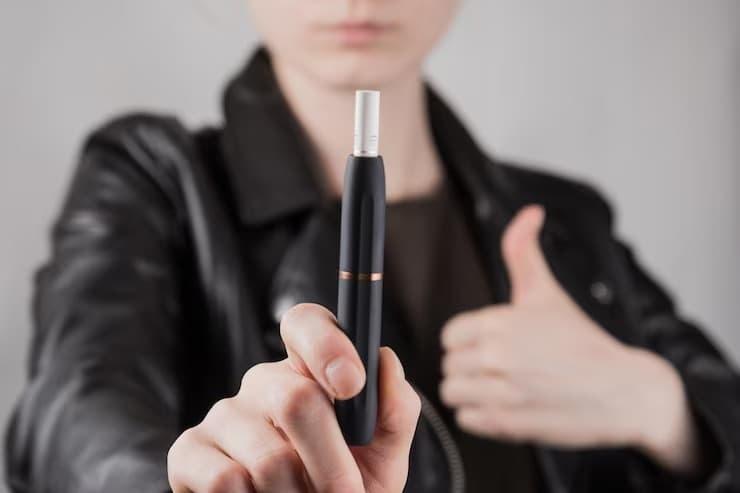
As Malaysia e-cigarette regulation evolves, consumer advocacy groups play a vital role in lobbying for balanced policies. Their efforts promote fair taxation, access to reliable products, and a strong voice in legislative discussions. Public participation helps guarantee that innovation and safety remain top priorities in industry growth.
Conclusion
The trajectory of e papieros and the impact of Malaysia e-cigarette regulation highlight a complex interaction between market dynamics, consumer advocacy, and legal oversight. As technology, public health, and culture progress, both users and industry participants must adapt, embracing best practices and informed choices. Ongoing education, responsible innovation, and transparent regulation will guide the future of vaping in Malaysia.
FAQ: E Papieros and E-Cigarette Regulation in Malaysia
- Is vaping legal for all ages in Malaysia?
- No, Malaysia e-cigarette regulation prohibits the sale of e papireros products to individuals under 18 years old.
- Are nicotine-free e papieros allowed in Malaysia?
- Yes, nicotine-free e papieros are generally permitted, but regulations may vary by state and are subject to labelling requirements.
- How do regulatory changes affect e papieros brands?
- Changes in Malaysia e-cigarette regulation may affect product availability, required packaging standards, and advertising rules, meaning brands must closely track new laws to remain compliant.
- Are imported e-cigarettes subject to stricter rules?
- Imported e-cigarettes and e papieros products must pass customs inspections and adhere to national safety and labeling standards, sometimes facing stricter controls compared to local products.