Understanding e-Cigarette and Prescription e Cigarette: Key Differences
 as both lifestyle and therapeutic tools has led health professionals and consumers alike to consider their distinct features, risks, and benefits.
Prescription e cigarette products differ from general-purpose e-Cigarette options because they are regulated, often requiring a doctor’s approval prior to use. These are targeted for smoking cessation, offering controlled doses of nicotine to help users steadily reduce dependence, with the medical oversight necessary to ensure safety and proper use. In contrast, standard e-Cigarette goods purchased in stores provide a wide range of flavors, strengths, and device types, with less clinical guidance.
How e-Cigarette Devices Work
Both e-Cigarette and prescription e cigarette products operate on similar principles. The device heats up an e-liquid, often containing nicotine, propylene glycol, vegetable glycerin, and various flavorings. When the liquid is vaporized, users inhale the vapor, delivering nicotine to their lungs. With e-Cigarette devices purchased over the counter, the user controls the device settings and liquid choices, while prescription e cigarette products provide standardized e-liquids and device configurations to ensure consistency and safety.
Some advanced e-Cigarette systems include adjustable wattage and temperature controls, which can change the vapor production and throat hit. Prescription e cigarette options prioritize medically validated e-liquid recipes and fixed doses, focusing on health outcomes over recreational enjoyment.
The Benefits of e-Cigarette Use
- Reduced Harm: Clinical studies suggest e-Cigarette and prescription e cigarette solutions may reduce exposure to harmful chemicals present in combustible cigarettes.
- Nicotine Control: Users of e-Cigarette and prescription e cigarette products can control their nicotine intake, which facilitates a gradual reduction.
- Quit Support: Prescription e cigarette devices, monitored by healthcare professionals, are shown to help improve cessation outcomes.
- Less Second-Hand Smoke: As e-Cigarette devices produce vapor rather than smoke, non-users are exposed to fewer harmful substances.
Prescription e cigarette: What Sets It Apart?
Regulations surrounding prescription e cigarette products are typically more stringent, ensuring that only evidence-based ingredients are used. Patients receive support, progress tracking, and can adjust their nicotine consumption under medical supervision.
Comparing e-Cigarette and Prescription e Cigarette Devices
| Feature | e-Cigarette | Prescription e cigarette |
|---|---|---|
| Availability | Retail stores, online | Medical prescription only |
| Nicotine Control | User-defined | Doctor regulated |
| Device Variety | Wide range | Standardized |
| Health Monitoring | None | Regular follow-ups |
| Intended Use | Recreational & cessation | Smoking cessation |
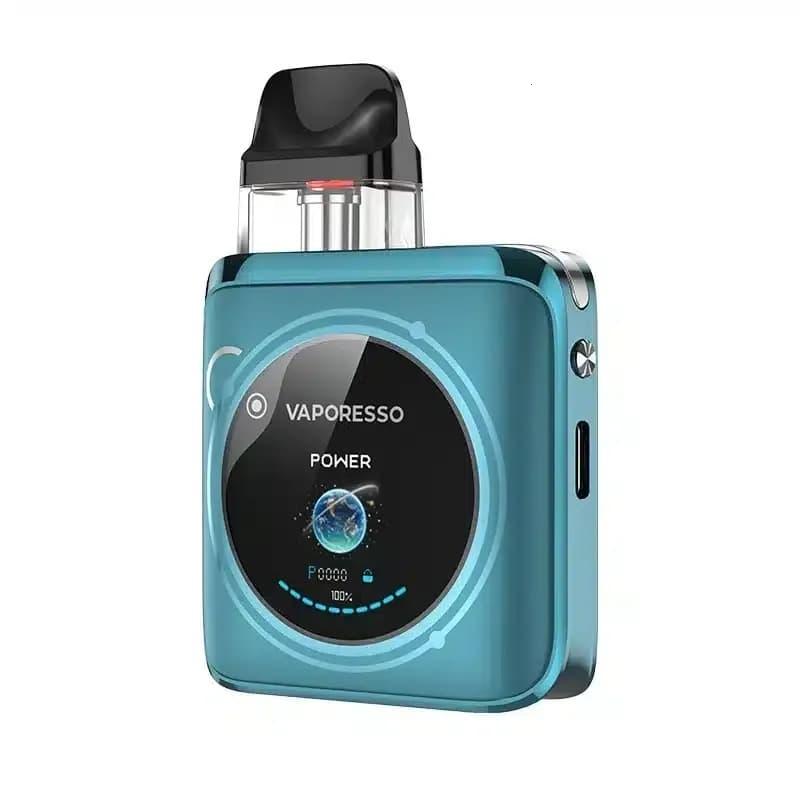
Are e-Cigarette Products Safe?
Researchers continue to study the long-term safety of both e-Cigarette and prescription e cigarette options. While they are expected to be safer compared to traditional smoking, concerns remain about certain ingredients in e-liquids, device malfunctions, and potential for nicotine addiction. The main advantage of prescription e cigarette is the medical oversight, which reduces risks through regulated product composition and usage.
It’s essential for adults considering either type of e-Cigarette to consult with healthcare professionals regarding any underlying health issues and to determine if a prescription e cigarette program may offer enhanced benefits. Young people and non-smokers should avoid all nicotine products, including e-Cigarette devices.
The Role of e-Cigarette Products in Smoking Cessation
Healthcare providers can help users select the best prescription e cigarette plan, monitor progress, and adjust treatment as needed. The individualized guidance helps patients overcome tobacco cravings, withdrawal symptoms, and relapse triggers, making the quit process more successful.
How to Choose the Right e-Cigarette Option
The optimal choice between a regular e-Cigarette and prescription e cigarette is based on several factors: motivation to quit, previous quit attempts, medical history, and nicotine dependency. Smokers looking for clinically validated results should discuss prescription e cigarette therapies with their doctors. Those interested in recreational vapor products must take extra caution on quality, liquid components, and legal requirements in their regions.
Before opting for any e-Cigarette solution, users should research reputable brands, device reviews, and customer testimonials to ensure reliability and effectiveness. Safety can be reinforced through proper usage, regular cleaning, and the use of regulated e-liquid cartridges.
Regulatory Landscape for e-Cigarette Products
The regulatory environment for e-Cigarette and prescription e cigarette devices is evolving rapidly, with many countries introducing new laws to govern their sale, advertising, and use. Prescription e cigarette devices fall under stricter healthcare legislation, mandated ingredient disclosures, and routine user education. Regular e-Cigarette products face bans on minor sales and advertising limitations.
Consumers should check current local and federal regulations before purchasing or using any e-Cigarette.
Long-Term Prospects of e-Cigarette Technology
 and prescription e cigarette technology looks promising, with advancements in device safety, customizable features, and medically assisted programs. Research continues into new nicotine delivery systems, healthier e-liquid compositions, and digital tracking for cessation progress.
As more people turn to e-Cigarette
 alternatives for quitting smoking, emphasis on product quality and medical support will become even more critical. Prescription e cigarette products may integrate behavioral therapy apps, smart sensors, and remote health monitoring for enhanced user experience.
Summary: Choosing Between Recreational and Medical e-Cigarette Solutions
In summary, understanding the differences between recreational e-Cigarette devices and prescription e cigarette products is crucial for individuals seeking safer alternatives to traditional smoking. While recreational e-Cigarette products offer convenience and customization, prescription e cigarette therapies prioritize regulated nicotine reduction, health monitoring, and successful smoking cessation.
With ongoing innovations, policy changes, and clinical research, both categories will continue to play significant roles in supporting healthier lifestyles and better public health outcomes.
Potential Risks and Considerations with e-Cigarette Use
- Device malfunctions causing overheating or battery issues
- Potential for continued nicotine addiction or misuse
- Exposure to untested or low-quality e-liquids
- Insufficient data on long-term health effects
Conclusion
Ultimately, the choice between a regular e-Cigarette and prescription e cigarette should be guided by your health objectives, preference for professional guidance, and need for safe, regulated nicotine delivery. As clinical research and technology advance, these options will become increasingly tailored to individual needs, maximizing the likelihood of successful transition away from tobacco and supporting overall health and well-being.
FAQ
- What is the main difference between an e-Cigarette and a prescription e cigarette?
- An e-Cigarette is generally purchased for personal use, while a prescription e cigarette is prescribed by a healthcare provider for smoking cessation and is regulated for safety and effectiveness.
- Are prescription e cigarette devices safer than regular e-Cigarette options?
- Prescription e cigarette devices are subject to medical oversight and safety regulations, which can make them safer and more effective for quitting smoking compared to unregulated devices.
- Can anyone get a prescription e cigarette?
- No, prescription e cigarette products are typically reserved for individuals who have unsuccessfully tried other quit aids and are determined suitable by a physician.
- Do e-Cigarette products contain tobacco?
- No, both regular and prescription e cigarette options use e-liquids that may contain nicotine but not tobacco leaves.