E-Cigarette News: Understanding What is in a E Cigarette
Over the past decade, E-Cigarette news has dominated headlines worldwide, sparking widespread interest in the ingredients and health implications of these devices. With rising usage among youth and adults alike, it’s crucial to ask: what is in a e cigarette, and why does this knowledge matter for consumers, regulators, and healthcare professionals?
Breaking Down the Core Components of E-Cigarettes
E-cigarettes, often called vapes or electronic nicotine delivery systems (ENDS), have revolutionized the way people consume nicotine. According to the latest E-Cigarette news, a standard device consists of a battery, a heating element (atomizer), a tank or cartridge, and e-liquid. The heart of the matter lies within the e-liquid itself.
What is in a E Cigarette: A Detailed Ingredient Analysis
- Nicotine: The primary addictive component, nicotine, is either extracted from tobacco or synthesized in labs. Not all e-cigarettes contain nicotine, but the majority do, making it the most widely discussed ingredient in E-Cigarette news.
- Propylene Glycol (PG): Serving as a carrier for flavor and nicotine, PG is an odorless, tasteless liquid commonly found in food and pharmaceuticals. It enables the visible vapor that simulates traditional smoke.
- Vegetable Glycerin (VG): VG gives vapor its thick, cloud-like qualities and imparts a slight sweetness. It’s plant-based and generally recognized as safe for consumption but its heating and inhalation effects are under constant scrutiny in recent E-Cigarette news.
- Flavorings: These food-grade additives provide the hundreds of available flavors, from fruit and dessert to menthol and tobacco. However, not all flavorings are inert when vaporized, raising additional questions about what is in a e cigarette and its impact on lung health.
Latest E-Cigarette News: Are There Other Hidden Ingredients?
Researchers frequently uncover trace amounts of additional chemicals, contaminants, and even heavy metals. These can include acetaldehyde, acrolein, formaldehyde, and small metallic particles leached from the device’s heating coil or cartridge during use. Many of these substances are known irritants or carcinogens, and their presence underscores the need for up-to-date E-Cigarette news and ongoing regulatory oversight.
Why Understanding What is in a E Cigarette Is Critical
- Public Health Protection: The more clarity there is around E-Cigarette news and e-liquid ingredients, the more effectively health authorities can establish guidelines, warning labels, and age restrictions to reduce harm, especially to young people.
- Consumer Awareness: Consumers often assume vaping is safer than smoking, but understanding what is in a e cigarette—including potential toxins—helps people make better-informed decisions about their health.
- Policy & Regulation: As highlighted in recent E-Cigarette news, national and local governments adjust their policies as new findings emerge, attempting to curb illegal ingredients and protect public safety.
Comparing E-Cigarette Ingredients to Traditional Cigarettes
Many users turn to e-cigarettes in hopes of lowering health risks associated with smoking, based on the notion that there are fewer harmful substances involved. While it’s factual that traditional cigarettes contain over 7,000 chemicals—many of which are highly toxic and carcinogenic—the evolving landscape of E-Cigarette news shows e-cigarettes are not free from risk. Ingredients like formaldehyde and acrolein, while found in smaller quantities, still pose dangers, especially with prolonged or excessive inhalation.

The Role of Flavors in E-Cigarette Popularity and Safety
Flavorings are a central topic in both E-Cigarette news and public health debates. While enticing flavors boost popularity, particularly among younger demographics, they can also introduce new risks. Certain flavoring chemicals, such as diacetyl (linked to “popcorn lung”), raise red flags about what is in a e cigarette and the true safety of vapor inhalation.
Technological Evolution: Changes in E-Cigarette Design and Chemistry
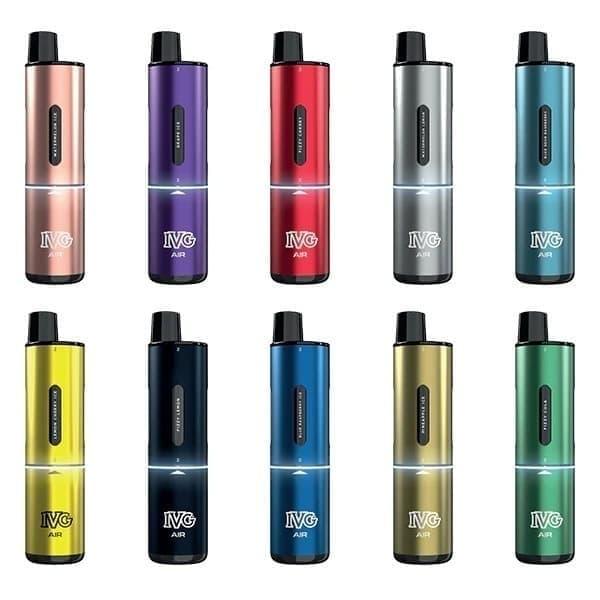
The latest E-Cigarette news continually reports on design innovations aiming to improve user experience, control nicotine dosage, or reduce harmful emissions. Pod-based systems and disposable vapes have introduced more consistent heating and delivery mechanisms, but testing has identified variable levels of unlisted substances depending on device brand, model, and e-liquid composition.
Safety and Regulation in the E-Cigarette Industry
In response to new scientific discoveries about what is in a e cigarette, authoritative bodies like the Food and Drug Administration (FDA) in the US and the European Medicines Agency (EMA) have toughened regulations. These initiatives include stricter requirements for ingredient disclosure, labeling, and marketing, with a strong focus on protecting young people from nicotine addiction as outlined in recent E-Cigarette news.
Emerging Trends Highlighted in E-Cigarette News
- Nicotine Salts: These newer forms of nicotine, found primarily in pod-based systems, allow higher nicotine strengths with smoother throat hits—characteristics spotlighted in the recent wave of E-Cigarette news.
- CBD and THC Vaping: Beyond nicotine, some e-cigarettes and vape pens are marketed for cannabinoid use. This has introduced new concerns about adulterants and counterfeit cartridges, again underlining why it remains essential to understand what is in a e cigarette.
- DIY E-Liquid Mixing: The rise of home blending for customized flavors and effects creates both opportunities and risks. Accurate information about safe ingredients, contamination, and correct dosages is more crucial than ever, as journalists and researchers frequently indicate in their E-Cigarette news investigations.
The Health Debate: What Does Current Science Say?
Although e-cigarettes eliminate many carcinogens found in combustible cigarettes, the presence of nicotine, ultrafine particles, and chemical byproducts means they’re not harmless. Ongoing studies and E-Cigarette news reports continue to examine short-term and long-term impacts, from addictive potential to the risk of lung injury outbreaks, such as the EVALI cases linked to vitamin E acetate in illicit THC cartridges.
Global Perspectives in E-Cigarette News
Different regions take diverse approaches. In the UK, vaping is often promoted as a smoking cessation tool, while the US and Australia focus more on youth prevention, regulatory enforcement, and ingredient transparency. These variances are regularly featured in E-Cigarette news cycles and have a direct influence on what is allowed in a e cigarette in each country.
What Consumers Should Look For
- Brand Transparency: Look for brands with clear ingredient listings and batch testing results.
- Certification and Compliance: Products that comply with TPD in the EU or FDA guidelines in the US are more likely to avoid harmful substances, a fact routinely emphasized in E-Cigarette news updates.
- Responsible Usage: Users should stay informed through credible news and medical resources to understand what is in a e cigarette and make educated choices about their health.
The Future: How Will E-Cigarette Ingredients Change?
Research, regulatory updates, and consumer advocacy are all influencing the future makeup of e-cigarette products. Innovations like synthetic nicotine, improved safety features, and reduced-risk flavorings are continually entering the market. Experts advise staying up-to-date with E-Cigarette news to track these dynamic trends and their implications.
“The landscape can shift dramatically with each new study or regulation. Consumers, retailers, and healthcare professionals must engage with the latest E-Cigarette news to keep pace with changes in what is in a e cigarette and how that affects public health.”
Key Takeaways on What is in a E Cigarette and Its Importance
- E-cigarettes usually contain nicotine, propylene glycol, vegetable glycerin, and flavorings. Trace metals and other chemicals may also be present depending on product quality and usage.
- Remaining updated with credible E-Cigarette news is essential for understanding evolving risks and safety measures.
- Ingredient transparency, responsible manufacturing, and strict regulation are fundamental for maximizing the safety potential of these widely used devices.
FAQ: E-Cigarette News & Ingredients
- What makes up e-liquid in most e-cigarettes?
- The majority contain a mixture of propylene glycol, vegetable glycerin, nicotine, and flavorings. Some may include contaminants or additional additives.
- Why do some e-cigarettes contain heavy metals?
- Heavy metals can leach from metallic parts of the heating element or cartridge during operation, especially in poorly manufactured devices.
- Are all flavorings used in e-liquids safe?
- Not always. Some food-grade flavorings are safe to ingest but may be harmful when vaporized and inhaled, so it’s important to check reports in E-Cigarette news for updates on ingredient risks.
- How often do e-cigarette ingredients change?
- Ingredients can change frequently as companies tweak formulations, adapt to new regulations, or introduce novel devices. Always verify new reports and official regulatory information about what is in a e cigarette.