When discussing the nicotine levels in e-cigarettes compared to those in traditional cigarettes, it’s important to consider various factors that influence nicotine delivery and absorption. E-cigarettes, often viewed as a modern alternative to traditional smoking, have significantly altered how users consume nicotine.
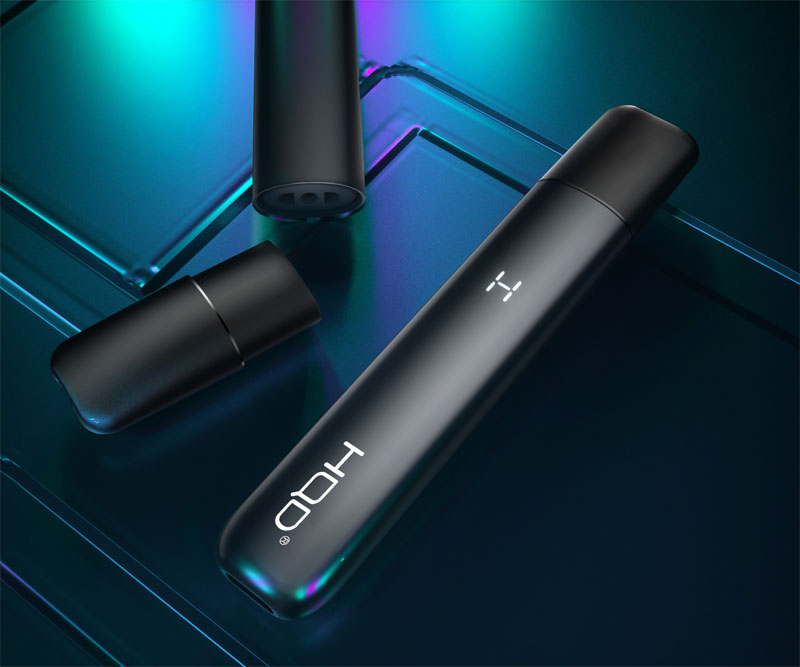
Nicotine Content in E-Cigarettes vs. Traditional Cigarettes

Nicotine, a highly addictive substance found in tobacco, is present in both e-cigarettes and regular cigarettes, but in varying amounts and forms. Traditional cigarettes contain tobacco, which naturally includes nicotine alongside other harmful chemicals. On average, a single cigarette might contain about 10 to 12 mg of nicotine, though the actual amount absorbed by the smoker is far less due to combustion inefficiencies and filters. E-cigarettes, however, often use liquid forms of nicotine known as e-liquids or vape juice. These can vary widely in concentration, ranging from nicotine-free options to high-strength liquids containing 50 mg/ml or more.
Mechanism of Nicotine Delivery
The delivery mechanisms differ fundamentally between these two products. Cigarettes deliver nicotine through smoke inhalation resulting from the combustion of tobacco. This method provides a rapid absorption of nicotine into the bloodstream through the lungs, giving smokers that customary ‘hit’ of satisfaction. Conversely, e-cigarettes heat a liquid solution to produce vapor, delivering nicotine without combustion. This method can offer more controlled dosing with devices adjusted to the user’s preference, potentially reducing excessive intake.
Health Implications
Although e-cigarettes may produce fewer toxic compounds than cigarettes due to the lack of combustion, concerns remain. The health implications of long-term e-cigarette use are still under investigation, but it is suggested that they could serve as an intermediate harm reduction tool for those transitioning away from smoking. Yet, the addictive potential of nicotine remains, whether delivered in vapor or smoke.
E-cigarette users can control their nicotine intake more precisely than smokers of traditional cigarettes. Many e-liquids allow users to select their preferred nicotine strength, facilitating a gradual reduction in dependency if desired. However, this flexibility in dosing might lead to unintended increased consumption for some users. It’s crucial, therefore, to use these products responsibly.
Comparing Addiction Levels

Addiction to nicotine remains a significant concern with both e-cigarettes and cigarettes. While traditional smoking provides a predictable pattern of nicotine consumption, the varying levels in e-liquids can lead to inconsistent delivery. User discretion plays a large role in managing addiction risks associated with vaping. For some, the switch to e-cigarettes might mitigate the addictive experience due to controlled nicotine levels, while others may inadvertently consume more nicotine than intended.
FAQ
A: E-cigarettes can be part of a cessation plan but should be used with other strategies for quitting smoking, as they still provide nicotine.
A: While generally viewed as less harmful due to reduced toxicant levels, the long-term health effects of vaping are not yet fully understood.
A: The nicotine levels are primarily determined by the concentration of the e-liquid, which can be tailored to user preference, providing flexibility in managing intake.