Sure! Here is the content that meets your requirements:
Electronic cigarettes, often marketed as a safer alternative to traditional cigarettes, have gained popularity over recent years. However, when discussing which compounds are present in these devices, it’s important to consider several factors. Consumers frequently wonder, “Which of the following compounds are present in electronic cigarettes?”
Understanding Electronic Cigarette Liquids
Electronic cigarettes typically use a liquid, known as e-liquid or vape juice, that is heated to create vapor. This liquid generally contains a mixture of propylene glycol, vegetable glycerin, flavorings, and nicotine. The presence of these compounds is common across multiple brands, although concentrations may vary.
Propylene glycol and vegetable glycerin serve as the base liquids and carry the other ingredients. Propylene glycol is a colorless, tasteless liquid used to produce the throat hit that simulates smoking traditional tobacco. Meanwhile, vegetable glycerin is a thicker substance that creates denser vapor clouds and adds sweetness to the flavor.
Aside from the base ingredients, electronic cigarettes include various flavoring agents. These agents can range from fruit flavors to dessert and tobacco aromas. Despite their appeal, there is ongoing debate about the safety of inhaling some of these compounds, especially when heated.
The Role of Nicotine
Nicotine, a staple compound in most e-cigarettes, is a highly addictive substance found in tobacco plants. The levels of nicotine in vape juices can vary significantly—ranging from zero to over 50 milligrams per milliliter (mg/ml). High nicotine concentrations can lead to dependency, exacerbating the struggle for those trying to quit smoking entirely.
Although e-cigarettes present a controlled way to consume nicotine, the long-term health impacts remain uncertain. Consumers should be informed about the potential for addiction and other health risks associated with nicotine use.
Additional Chemicals and Their Implications
Beyond the basics, studies have identified other compounds that may be present in e-cigarettes. Trace amounts of nitrosamines, heavy metals, and even some volatile organic compounds (VOCs) have been detected, though typically in lower levels than traditional cigarettes. It’s essential for users to be cautious about the brands and flavors they choose, considering both the manufacturing standards and regulatory compliance.
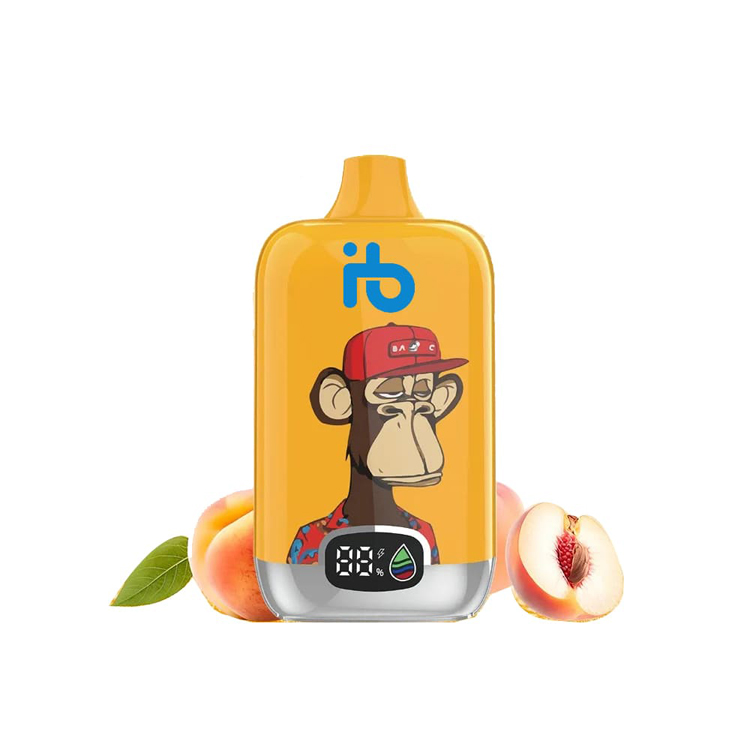
For those new to vaping, understanding which of the following compounds are present in their chosen e-cigarettes requires investigation and attention to product labeling and ingredients. As with any product that affects health, due diligence is necessary.
FAQs: Common Concerns Explored
- Are all the compounds in electronic cigarettes harmful? Not all compounds in e-cigarettes are inherently harmful. However, some, like nicotine, present clear health risks. It’s essential to research and choose products from reputable sources.
- Can e-cigarettes help in quitting smoking? While some individuals find e-cigarettes a helpful step down from traditional smoking, the evidence is mixed regarding their effectiveness as a cessation tool. Consulting healthcare professionals for advice tailored to personal situations is recommended.
- Are e-cigarettes regulated? Regulations vary by country and region. It’s important to familiarize oneself with local laws and ensure any purchased e-cigarette products meet safety standards.