Understanding the Classification: Are E Cigarettes Considered Tobacco Products?
In recent years, the rapid rise of e-cigarettes has ignited debates and discussions regarding their classification as tobacco products. While the original intent of e-cigarettes was to provide smokers an alternative to the traditional method of consuming nicotine, their classification remains a topic of complexity and regulatory scrutiny. In this article, we delve into the criteria that determine whether e-cigarettes fall under tobacco products and the implications of such classifications.
Definition of Tobacco Products
To fully grasp the essence of e-cigarettes in the realm of tobacco products, one must first understand what constitutes a tobacco product. Generally, tobacco products include any product made from or derived from tobacco that is intended for human consumption. This encompasses cigarettes, cigars, and chewing tobacco, among others. The link between e-cigarettes and tobacco arises from the nicotine content, which is commonly extracted from tobacco plants.
The Role of Nicotine
Nicotine plays a crucial role in the classification of e-cigarettes. Despite not containing tobacco leaves themselves, many e-cigarettes deliver nicotine derived from tobacco. The extraction process does not negate the addictive nature of nicotine, thereby associating e-cigarettes with tobacco products. Regulatory bodies consider this relationship when categorizing such devices, aiming to apply public health measures similar to those for traditional tobacco products.
Regulatory Landscapes
Public Health Implications
The classification of e-cigarettes as tobacco products carries substantial public health implications. Understanding whether these devices fall under the tobacco umbrella affects government policies on smoking cessation, harm reduction strategies, and prevention programs. Critics argue that stringent classification may stifle innovation aimed at reducing harm to smokers. Conversely, proponents assert that such classification ensures comprehensive monitoring and protection of youth from nicotine addiction.
Alternatives and Innovations
While e-cigarettes are often discussed within the scope of tobacco products, new innovations continue to change the landscape of nicotine consumption. Devices such as nicotine replacement therapies (NRTs) strive to provide safer options for those seeking to reduce their tobacco dependence. As technology progresses and consumer preferences evolve, the lines defining tobacco products may further blur, demanding adaptive regulatory approaches and ongoing scientific research.
FAQs: Common Queries
- Are all e-cigarettes considered tobacco products?
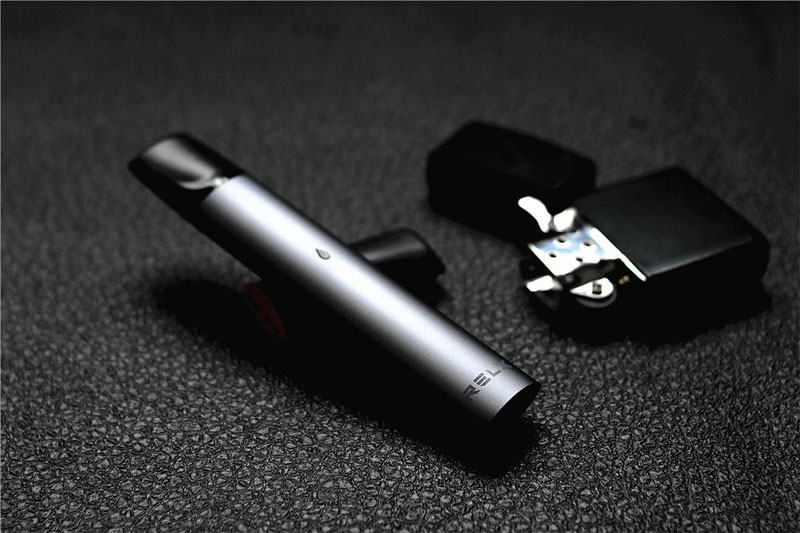 In regions like the United States, e-cigarettes containing nicotine derived from tobacco are regarded as tobacco products.
 - Can e-cigarettes help in quitting smoking? E-cigarettes are often marketed as smoking cessation tools; however, their efficacy as quitting aids varies among individuals. Consulting health professionals is advised.
- What makes e-cigarettes different from traditional cigarettes? Unlike traditional cigarettes, e-cigarettes use a liquid solution to deliver nicotine, avoiding combustion and tar production, which are primary sources of harm in traditional smoking.