E-cigarettes have become increasingly popular over the last decade, especially among young adults and those looking to quit traditional smoking. However, the question arises: can e-cigarettes cause chronic obstructive pulmonary disease (COPD)? Understanding the impact of e-cigarettes on lung health is crucial, as COPD is a serious, life-threatening disease characterized by persistent respiratory problems and airflow limitation. In this article, we’ll delve deeply into the potential links between e-cigarette usage and COPD, exploring scientific studies and expert opinions on the topic.
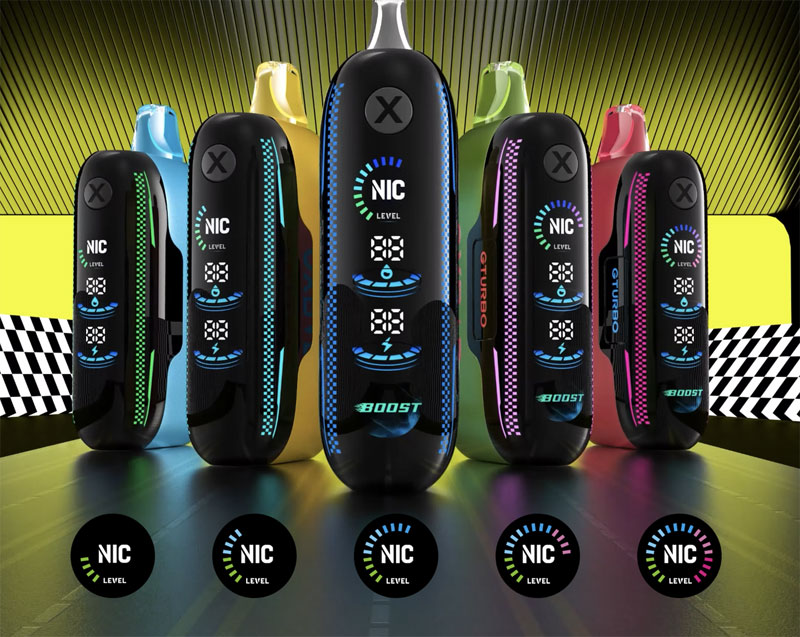
Firstly, it’s essential to understand what e-cigarettes are. Known as electronic nicotine delivery systems, e-cigarettes are battery-operated devices that heat a liquid, typically containing nicotine, flavoring, and other chemicals, turning it into vapor for inhalation. This process is referred to as vaping. Unlike traditional cigarettes, which combust tobacco, e-cigarettes are marketed as a less harmful alternative. Smokers often perceive them as a safer choice, but is this perception justified when considering the risk of COPD?
Scientific Studies on E-Cigarettes and COPD
Recent studies highlight potential concerns. The vapor from e-cigarettes may contain harmful substances like ultrafine particles, volatile organic compounds, and heavy metals, known to harm lung tissues. Research has indicated that the inhalation of these substances can lead to inflammation and damage to the airways, potentially accelerating the development of COPD. Moreover, nicotine, a major component in e-cigarettes, can disrupt normal lung function and contribute to the disease’s progression.
Mechanisms Behind COPD Development
E-cigarettes may trigger COPD through several mechanisms. Chemical exposure from vaping leads to oxidative stress and inflammation, two primary factors contributing to COPD pathology. Studies involving cellular models show that exposure to e-cigarette vapor causes inflammation comparable to traditional cigarette smoke. This inflammation is a precursor to tissue damage, paving the way for chronic diseases like COPD.
Additionally, e-cigarettes can impair immune response, reducing the lungs’ ability to combat infection and disease. This compromised immunity can exacerbate COPD symptoms and lead to more severe respiratory issues.
Exploring Alternatives and Precautions
While the allure of e-cigarettes as a smoking cessation tool is strong, users should exercise caution. Alternatives like nicotine patches or gum provide a safer route to quitting smoking without the respiratory risks associated with vaping. Furthermore, healthcare professionals should emphasize regular lung health check-ups for those who have utilized e-cigarettes, ensuring early detection and management of potential COPD symptoms.
The scientific community continues to investigate the links between e-cigarettes and COPD. Future studies may provide clarity on long-term effects, identifying more direct correlations between vaping and chronic conditions. Until then, public health warnings remain essential in guiding smokers toward healthier alternatives.
Frequently Asked Questions

- Can quitting e-cigarettes reduce the risk of COPD?
- Yes, quitting e-cigarettes can mitigate the risk of developing COPD and improve overall lung health. The sooner one quits, the better the chances of reducing lung damage.
- Are there any safer vaping options?
- While modifications to e-cigarette formulations are being researched, current alternatives like nicotine replacement therapies are considered safer.
- How can regular smokers protect themselves from COPD?
- Regular medical check-ups, awareness of symptoms, and using proven cessation aids can significantly reduce the risk of COPD for smokers.