Hong Kong, renowned for its skyline and vibrant culture, has been making waves in recent years due to its stringent regulations on e-cigarettes. As public awareness about health issues associated with smoking grows, Hong Kong has taken a firm stance on digital smoking devices. This move follows a global trend where governments are tightening regulations on e-cigarettes. With the specific ban date for e-cigs looming, citizens and companies alike are scrambling to align with the new laws. If you’re wondering about the e-cigarette Hong Kong ban date and its implications, this comprehensive guide will provide insights into all you need to know.
Understanding the E-Cigarette Ban in Hong Kong
The introduction of the e-cigarette ban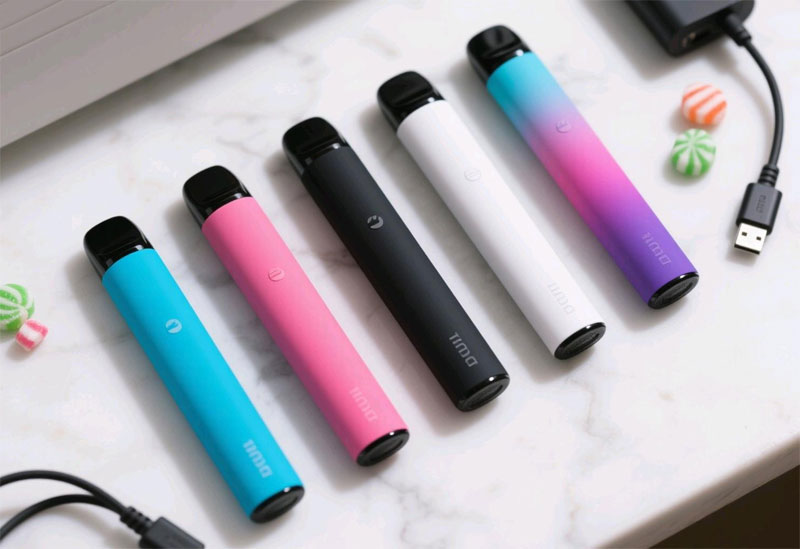 in Hong Kong signifies a significant shift in the region’s public health policy. Alongside the health concerns surrounding traditional tobacco products, e-cigarettes or vaping devices have been under scrutiny despite their marketed image of being safer alternatives. The government argues that these products are a potential gateway for youth to transition to traditional smoking, making regulation crucial.
Why Hong Kong is Policing E-Cigarettes

While the exact e cigarette Hong Kong ban date was set to expedite the reduction of smoking rates among its youth, the primary motive is health. Hong Kong has a reputation for prioritizing public health initiatives, evident in its no-smoking policies in public areas. Encouragingly, the city’s population has shown support for the ban, recognizing the potential harm of nicotine addiction and the uncertainties surrounding the long-term effects of vaping.
How the Ban Impacts Consumers and Retailers
The implementation of the e-cigarette ban means a substantial shift for both consumers and retailers. Retailers are mandated to cease sales of all e-cigarette products, which presents significant financial implications. Consumers accustomed to vaping now need to look for alternative nicotine products or cessation aids. Many residents express concern over the economic impact on small businesses already strained by the ongoing global challenges.
The Exact Date and Preparations to Comply
For those keeping track of the legislative calendar, the e cigarette Hong Kong ban date is more than just a number; it’s a deadline for preparation. Authorities initiated campaigns and information drives to ensure that everyone is aware of the exact timeline and the steps required to comply. Retailers have been given specific guidance on dealing with existing stock, whereas consumers are advised on safe disposal methods.
Global Context: E-Cigarette Bans Elsewhere
Hong Kong is not isolated in its approach. Numerous countries have set similar prohibitions or regulations on the sale of e-cigarettes, reflecting a global movement towards stringent health regulations. This international context helps to validate Hong Kong’s decision and provides a framework for comparing outcomes and approaches with other jurisdictions.
Future Perspectives
With the e-cigarette regulations firmly in place, the focus shifts to enforcement and monitoring. Authorities in Hong Kong have developed comprehensive strategies to track the effectiveness of the ban, adapting policies as required. The ultimate goal remains to cultivate a healthier, smoke-free generation, reducing health burdens associated with tobacco and its alternatives.
Frequently Asked Questions
- When is the e-cigarette Hong Kong ban date? The specific date set by the Hong Kong government for the ban is eagerly watched by both retailers and consumers, as compliance is essential.
- What are the penalties for non-compliance? Non-compliance could lead to hefty fines or revocation of business licenses, thus ensuring rigorous adherence to the regulations.
- How can consumers dispose of e-cigarettes? The government provides clear guidelines for environmentally safe disposal to minimize the ecological impact.
In conclusion, the ban is more than a mere legal imposition; it’s a statement of Hong Kong’s dedication to public health. As the world watches, Hong Kong steps confidently into an era where health, education, and regulation go hand in hand.