The looming FDA ban on e-cigarettes is poised to shake the industry and consumers alike, triggering a wave of changes. As the FDA scrutinizes health concerns around vaping, the repercussions may alter the landscape profoundly.
Understanding the FDA’s Regulations
The FDA has been actively working towards regulating e-cigarettes due to the potential health risks associated with vaping. This ban aims to curb the use of nicotine products, primarily among youth, given the skyrocketing rates of underage vaping. The regulations could affect major market players and create hurdles for new entrants. While an outright ban is headline-making, ongoing restrictions have been building blockades for e-cigarette manufacturers. Factors such as marketing limitations, product specifications, and stringent approval processes form the crux of these regulations.
- E-cigarettes and public health
- Market dynamics and adjustments
- Impact on related businesses
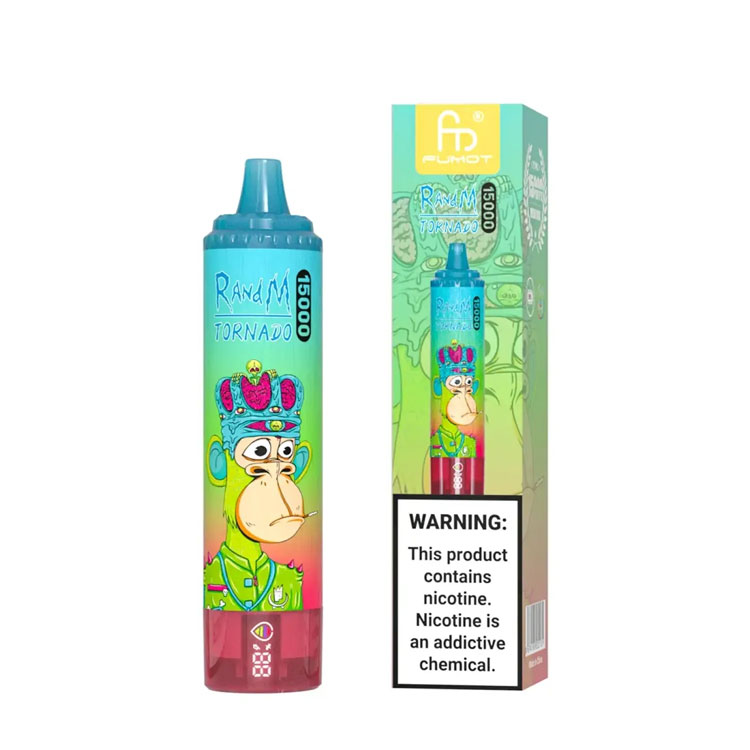
These directives target to protect the public while responding to pressures from advocacy groups concerned with health outcomes associated with vaping.
Impact on Consumers
The impact of the FDA ban on e-cigarettes extends far beyond manufacturers, reaching directly into consumer lives. With vaping products potentially disappearing from shelves, consumers might face limited access, propelling existing users to seek alternatives, legal or otherwise. Many consumers are already voicing concerns regarding the ban, citing their reliance on vaping as a cessation tool. It’s crucial to consider both dependency and the need for viable alternatives like FDA-approved cessation aids or reduced-risk nicotine products.
Public health ideally triumphs but must balance the backlash from former smokers.
Economic Ramifications
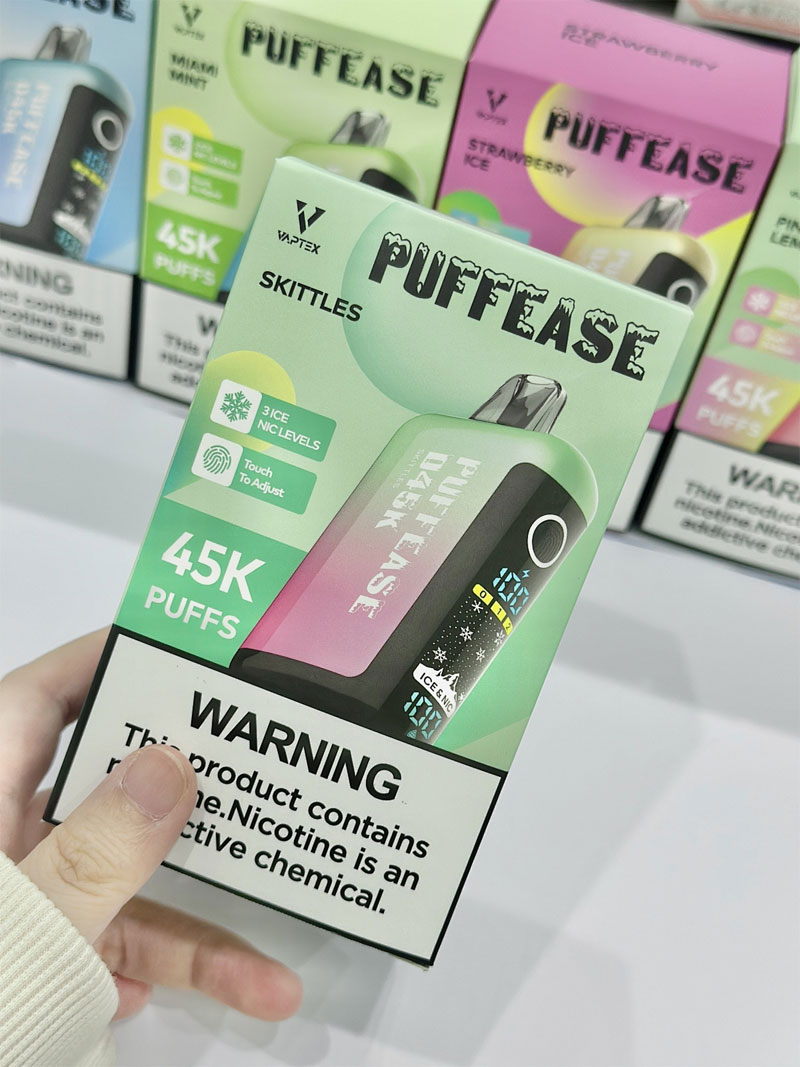
From an economic standpoint, this ban could lead to significant tremors within the vaping industry. With anticipated declines in sales, companies might pivot to other sectors or innovate swiftly within the restrictions. The ripple effects might extend to related industries such as vape shops, convenience stores, and liquid nicotine suppliers. Analysts project potential job losses and economic shifts as businesses grapple with new regulatory landscapes. Some companies contemplate adjusting their business models to align with worldwide markets not governed by stringent FDA oversight.
- Strategies for industry adaptation
- Influence on employment rates
- Cross-industry shifts

Future Projections
As the FDA tightens its grip, businesses are weighing options, including reformulations or exploring technology that meets health safety standards. The focus on innovation and strategic compliance is imminent. The ban could spur advancements toward less harmful alternatives and encourage digital solutions to manage nicotine dependency.
Will consumers turn towards emerging technologies in nicotine delivery, reshaping the market?
FAQs
What alternatives are there if e-cigarettes are banned?
Alternatives include nicotine patches, gums, or approved cessation therapies.
Why is the FDA banning e-cigarettes?
The FDA aims to protect public health by reducing youth access and addressing health concerns linked to vaping.
How will this affect current e-cigarette users?
Users may need to adapt to cessation alternatives or seek products that comply with new regulations.