In recent years, the prevalence of electronic fake cigarettes has significantly increased, capturing the attention of consumers and health professionals alike. These counterfeit vaping products pose serious health risks and compromise the safety protocols established by the original manufacturers. Understanding the Dangers
The first risk associated with electronic fake cigarettes is the inconsistency of their chemical composition. Unlike legitimate brands that adhere to industry standards, fake products often contain harmful substances. These may include unknown chemicals that pose serious health hazards such as heavy metals and toxins. The lack of regulation and oversight on counterfeits leads to unpredictable reactions in users, ranging from mild irritation to severe lung injuries.
Quality Control Issues
Original electronic cigarettes undergo rigorous testing to ensure electrical safety and chemical composition compliance. Counterfeit products, however, bypass these necessary safety checks, potentially leading to faulty batteries and devices that overheat or explode. Such incidents can cause not only fire hazards but also severe personal injuries.
Health Implications
The long-term health consequences of using electronic fake cigarettes are not fully known, but studies suggest they may be even more hazardous than their authentic counterparts. Users may experience an increased risk of developing chronic respiratory conditions due to the presence of untested and harsh chemicals. Moreover, the psychological effects of using uncertified products contribute to anxiety and stress, diminishing overall well-being.
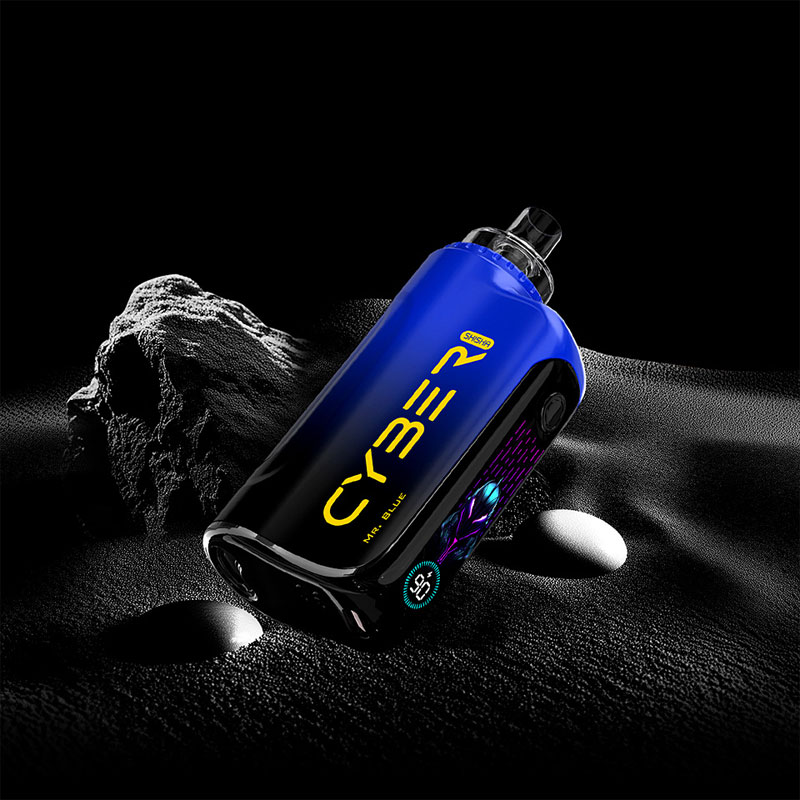
- Legitimate vs. Fake: The easiest way to differentiate is through price discrepancies and unauthorized sellers.
- Check the packaging and serial numbers—major manufacturers provide ways to verify the authenticity of their products.
Consumers must stay informed and cautious. Without regulation, fake electronic cigarettes will continue to circulate, emphasizing the need for awareness campaigns and stricter legal penalties against suppliers.
FAQs
Are electronic fake cigarettes easily identifiable?
It’s often difficult to identify fake products without careful inspection. Look for inconsistencies in packaging and pricing, and always purchase from reputable vendors.
Can fake cigarettes be less harmful if used occasionally?

While infrequent use may lower the risk, the unpredictable nature of fake cigarettes still poses health dangers. Even occasional use can lead to significant health issues over time.
What should I do if I suspect I have purchased a fake electronic cigarette?
Contact the manufacturer directly for verification and report the product to relevant authorities. Discontinue use immediately to protect your health.