E-cigarettes have become a popular alternative to traditional smoking, but what exactly do they contain? Understanding the components of these devices can help demystify their appeal and assess their safety. At their core, e-cigarettes are composed of a few basic elements: the battery, atomizer, and e-liquid. Each of these components plays a critical role in the e-cigarette’s function.
The Battery
The battery is the powerhouse of the e-cigarette. It provides the energy required to heat the atomizer. There are various battery types used, including built-in and removable options, which allow users to switch them according to preference or usage frequency. The battery’s capacity is measured in milliampere-hours (mAh), with higher mAh ratings offering longer usage times before recharging is necessary.
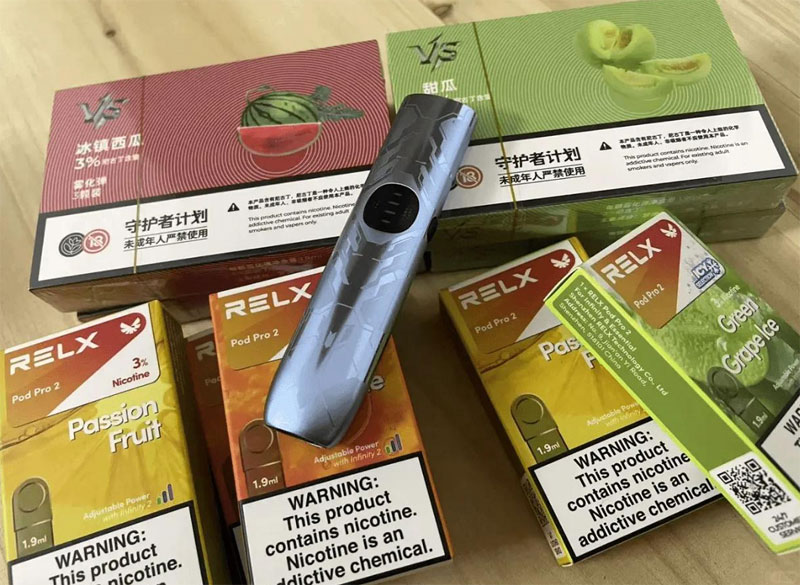
Atomizer Functionality
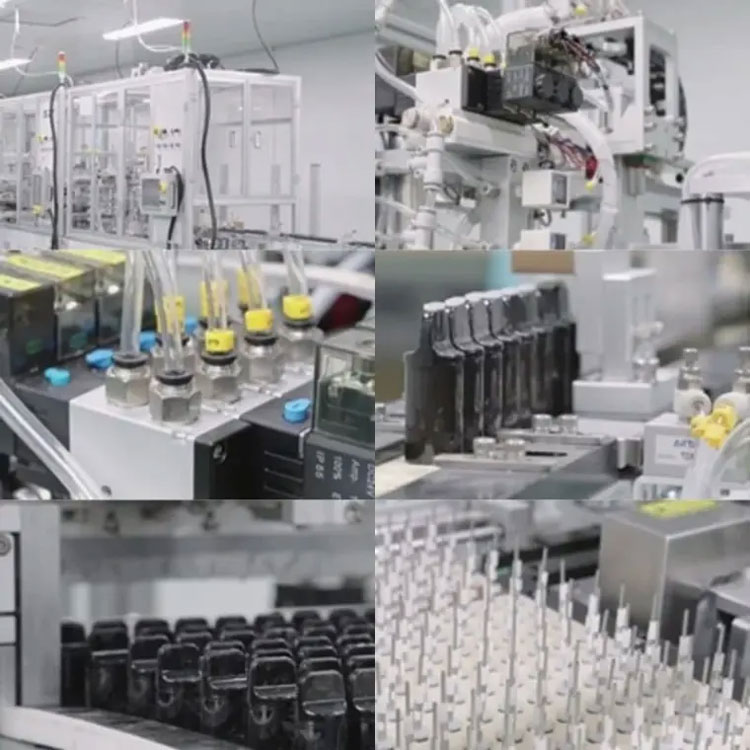
The atomizer is perhaps the most critical component of an e-cigarette. It contains a heating coil which, when powered by the battery, heats the e-liquid, turning it into vapor. Some atomizers, known as clearomizers or cartomizers, include a reservoir that holds the e-liquid, allowing for a continuous supply to the wick during usage. The design of the atomizer can affect both the vapor production and the flavor profile experienced by the user.
Understanding E-liquid
The e-liquid, also called vape juice, is a concoction made predominantly from vegetable glycerin (VG) and propylene glycol (PG), with added nicotine and flavorings. VG and PG are common substances used in food and pharmaceuticals, making them generally safe for consumption. The ratio of VG to PG can be adjusted for more vapor production or a stronger throat hit, catering to individual preferences.
- Vegetable Glycerin: VG is a thick liquid that produces denser vapor clouds, making it ideal for users who prioritize vapor production.
- Propylene Glycol: PG is less viscous than VG and is known for providing that “throat hit” similar to traditional cigarettes. It also carries flavors more effectively than VG.

Flavorings and Nicotine
By far, the most diverse component of an e-liquid is its flavor profile. From fruity to minty flavors, the variety is virtually limitless. Nicotine levels can also be adjusted, usually ranging from zero nicotine for those looking to quit nicotine altogether, to high levels for those seeking a traditional smoking experience.
The Myths and Facts of E-cigarette Components
Despite the growing popularity of e-cigarettes, several myths about their contents need addressing. For example, the misconception that e-cigarettes produce harmful tar like traditional cigarettes is unfounded. E-cigarettes don’t burn anything; instead, they vaporize a liquid, and the absence of combustion means there’s no tar production. However, the presence of nicotine and flavor components raises concerns about their potential impact on long-term health.
Navigating through the myriad of e-cigarette options requires understanding the individual components, as this understanding drives responsible and informed usage among consumers looking for alternatives to combustible cigarettes.
Frequently Asked Questions
Are e-cigarettes safer than regular cigarettes?
While e-cigarettes are often marketed as safer alternatives, scientific consensus suggests that while they may present fewer risks than combustible cigarettes, they are not entirely risk-free.
Can the nicotine content be adjusted?
Yes, many e-liquids offer customizable nicotine strength, allowing users to choose concentrations that suit their needs.
Do e-cigarettes contain THC or CBD?
Standard e-cigarettes do not contain THC or CBD, but some e-liquids are infused with these compounds, especially in states where such products are legal.