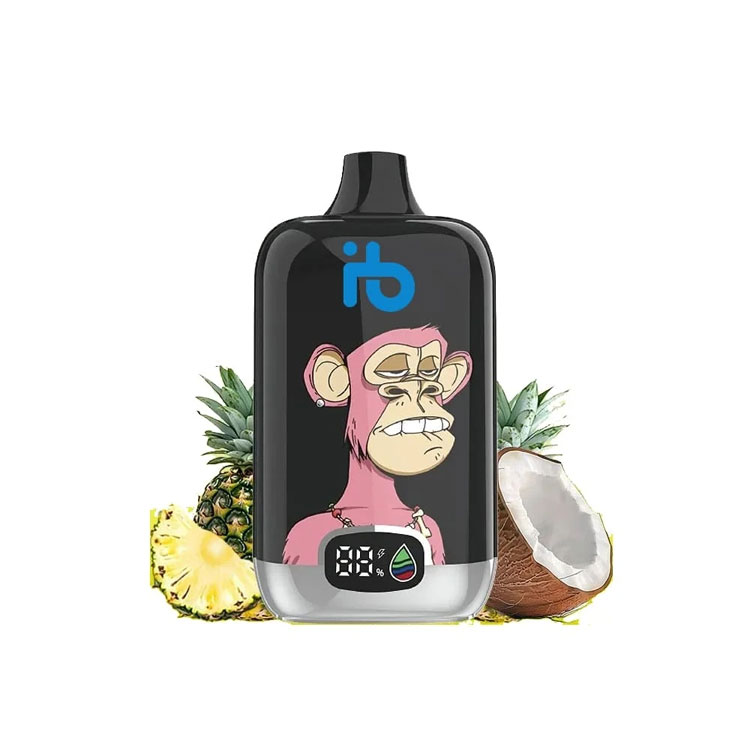
Given the rising popularity of e-cigarettes as alternatives to traditional tobacco products, Thailand’s regulatory framework is designed to address health concerns and control the market dynamics. Existing policies already have strict guidelines, but by 2025, imports will be subject to an even more comprehensive set of rules.
Current State of E-cigarettes in Thailand
In recent years, while neighboring countries have adopted more lenient policies, Thailand has maintained stringent regulations to ensure public health and safety. These laws dictate that e-cigarettes cannot be offered for sale, and the importation laws are no less restricting.
With 2025 on the horizon, these import regulations are expected to undergo refinements to better structure the market of e-cigarettes, ensuring that only products meeting governmental standards are allowed into the country.
Anticipated Changes in 2025
The approaching year marks a pivotal moment as authorities plan to implement new inspection and certification processes. These processes will focus on environmental impact, manufacturing standards, and health risk evaluations.
One foreseeable change is the inclusion of rigorous testing methods for imported e-liquids and devices, designed to analyze both chemical compositions and the technological standards of vaping products. Importers will need to adhere to these stringent guidelines, pushing brands to enhance their manufacturing practices.
Although businesses might find these regulations exhaustive, they offer an opportunity for cleaner, safer, and innovative products, thus fostering consumer trust and contributing to public wellness.
Global Implications
Thailand’s proactive measures not only set a precedent for other countries but also ensure that importers align with global trends toward healthier smoke alternatives.
These regulations reflect a growing concern about nicotine addiction and its effects on younger populations, steering companies towards lower-risk product formulations. As more details emerge, stakeholders are urged to stay informed to navigate the legal landscape effectively.
Whether you’re a manufacturer, distributor, or retailer, keeping abreast of the changing regulations in Thailand is paramount to success in this market. Strategic adaptation to these laws will be crucial for businesses looking to establish a foothold.
FAQs
What are the penalties for violating import laws?
Violations of these laws can result in fines, product confiscation, and even imprisonment. Staying compliant is essential.
How can businesses prepare for the new regulations?
Businesses should invest in quality assurance and compliance departments to meet the expected standards and legal requirements.
Are there any exceptions to the ban on e-cigarettes?
Currently, no exceptions exist; however, medical and scientific research may occasionally receive dispensations subject to strict regulatory approval.