The debate over whether e-cigarettes contain tobacco elements continues to spark interest and confusion among users and regulatory bodies alike. At the core of understanding this issue is the distinction between traditional tobacco products and their electronic counterparts. E-cigarettes, or electronic nicotine delivery systems (ENDS), have brought about a significant shift in the way people consume nicotine, but do they really contain tobacco?
Understanding E-Cigarettes
E-cigarettes are designed as a substitute for combustible tobacco products. They function by heating a liquid, commonly referred to as e-liquid or vape juice, to produce an aerosol that the user inhales. This aerosol contains various substances, including nicotine, flavorings, and sometimes other chemicals. However, unlike traditional cigarettes, e-cigarettes do not contain actual tobacco leaves.
The Role of Nicotine
Nicotine, a key addictive chemical found in tobacco, is often included in e-liquids. This element is extracted from the tobacco plant, but it is possible to obtain nicotine from alternate sources or even synthesize it, underlining the nuance that while e-cigarettes contain nicotine, they do not necessarily include tobacco itself. This distinction might appear subtle, yet it significantly influences both consumer perceptions and regulatory approaches.
 Ingredients in E-Liquids
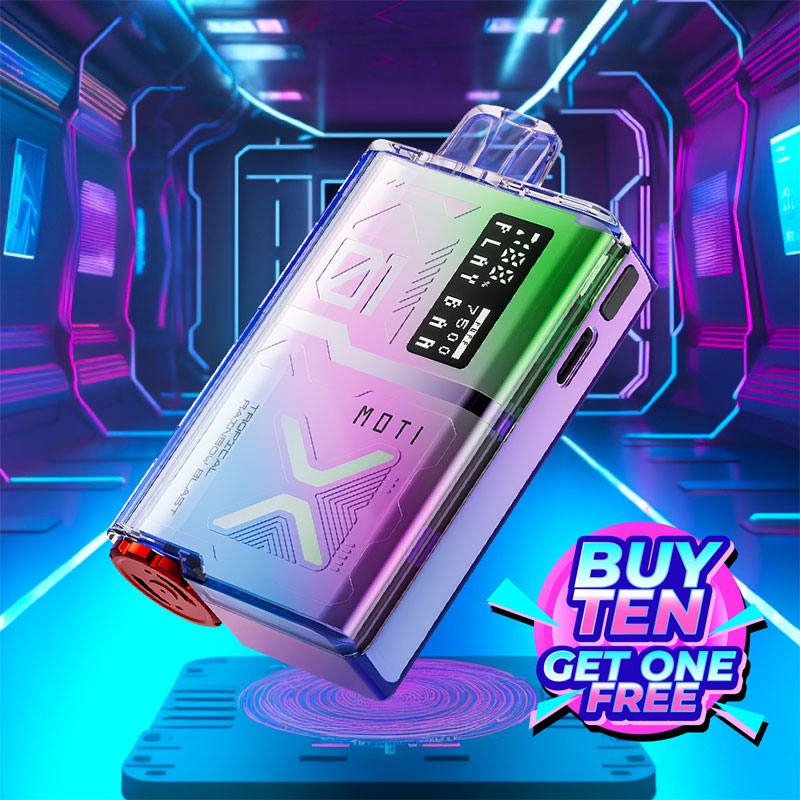
The primary components of e-liquids are propylene glycol and vegetable glycerin, both serving as bases that create the vapor. Flavorings are added to create diverse tastes, often mimicking fruits, desserts, or traditional tobacco flavors. Despite the flavors, which are sometimes designed to appeal to smokers looking to quit, it’s crucial to note that the presence of these flavors does not indicate the inclusion of tobacco.
Regulations and Definitions
How e-cigarettes are classified impacts the regulations governing them. Some jurisdictions categorize anything containing nicotine as a tobacco product, which includes e-cigarettes due to the nicotine derived from tobacco. This classification influences how they are marketed and taxed and who can purchase them. Yet, this does not imply they contain raw tobacco leaves, a misconception held by some consumers.
Health Implications
While e-cigarettes do not contain traditional tobacco, the health implications of their use cannot be ignored. Studies suggest that e-cigarettes may be less harmful than traditional cigarettes due to the absence of combustion and tar production. However, the long-term effects are still largely unknown, and the presence of nicotine continues to pose addiction risks.
- Personal Choice: Individuals seeking a less harmful alternative to smoking may consider e-cigarettes. However, knowing that these devices deliver nicotine without tobacco smoke is pivotal.
- Public Health: Public health policies are adapting as more evidence rises, focusing on preventing non-smokers, particularly youths, from initiating nicotine use through vaping.
Frequently Asked Questions
1. Are e-cigarettes a safer option than traditional cigarettes?
The consensus is that e-cigarettes might be less harmful due to reduced exposure to toxic substances found in cigarette smoke. Nonetheless, they are not risk-free due to nicotine content.
2. Can I find tobacco-free nicotine in e-cigarettes?
Yes, some e-cigarettes use synthetic nicotine or derive it from non-tobacco plants, making them technically tobacco-free even if they deliver nicotine.
3. Why are e-cigarettes classified as tobacco products?
Because they contain nicotine extracted from the tobacco plant, many regions classify e-cigarettes as tobacco products for regulatory purposes, even if they lack the physical presence of tobacco leaves.