The world of vaping has piqued the curiosity of many, and one of the prevailing questions remains: “How much nicotine is in an e cigarette?” To unravel this mystery, we must delve into the components of e-cigarettes, also known as electronic nicotine delivery systems (ENDS), and understand how they affect our nicotine intake. E-cigarettes operate by heating a liquid—commonly referred to as e-liquid or vape juice—that contains nicotine, flavorings, and other chemicals. Therefore, the nicotine content in an e-cigarette largely depends on the e-liquid used.
Understanding the Impact of Nicotine Levels
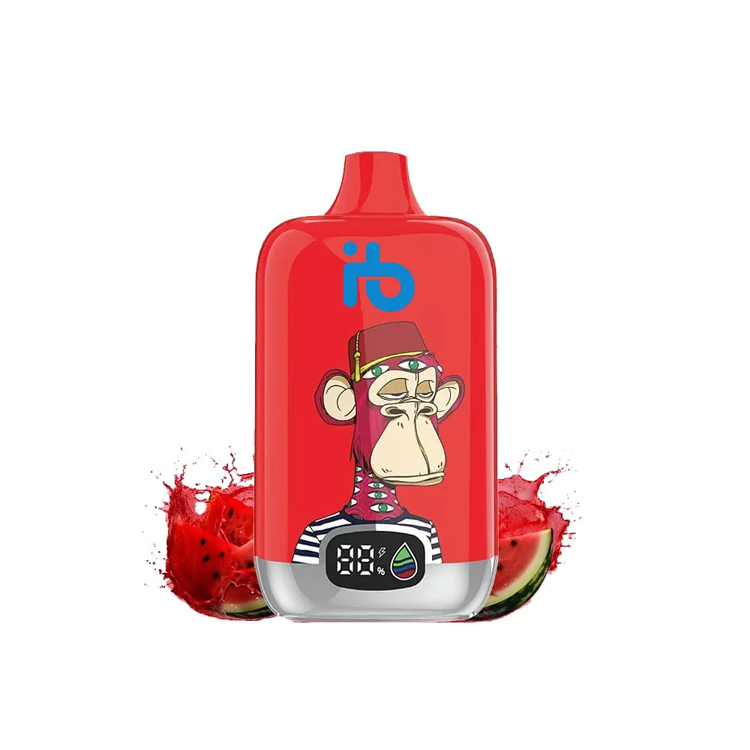
Nicotine is the addictive compound that smokers seek when they choose to smoke traditional cigarettes. The amount of nicotine you consume can influence your dependency and overall health. High nicotine levels in e-cigarettes may lead to increased heart rate, elevated blood pressure, and other health issues. It is crucial for users, especially those new to vaping, to select a nicotine level that satisfies cravings without leading to excessive intake.
For those transitioning from smoking, a common practice involves starting with an e-liquid that mirrors the nicotine level they obtained from cigarettes, gradually tapering to lower concentrations as their reliance decreases.
Factors Influencing Nicotine Absorption
- Device Type: E-cigarettes vary widely in their design and functionality. Some deliver more nicotine per puff than others, impacting overall intake.
- Use Frequency: The more frequently you use your e-cigarette, the more nicotine you will absorb.
- Personal Tolerance: Individual tolerance levels can affect how much nicotine is retained by the body.
The Science Behind Nicotine and Health
This addictive substance binds to receptors in the brain, releasing chemicals associated with pleasure and leading to its potential abuse. Understanding the balance between satisfying a craving and avoiding overconsumption is key to responsible vaping.
Navigating E-Liquid Varieties
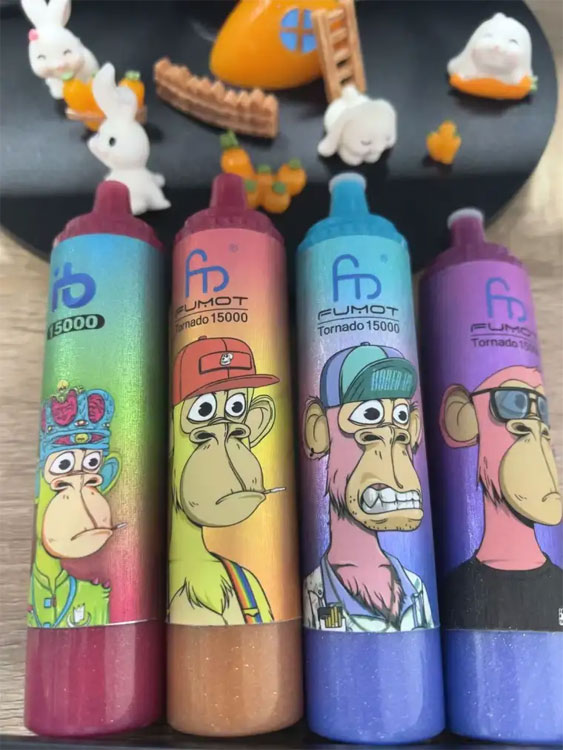
Vapers are presented with a robust selection of e-liquids, ranging not only in nicotine strength but also in flavor profiles. From sweet and fruity to rich tobacco and menthol blends, the choices are abundant. This variability allows users to customize their experience according to their preference and need.
Frequently Asked Questions (FAQ)
How does nicotine in e-cigarettes compare to traditional cigarettes?
The nicotine delivery can vary greatly, with some e-cigarettes providing higher doses per puff while others deliver less. This often depends on the device’s power and the e-liquid’s strength.
Can e-cigarettes help quit smoking?
E-cigarettes are often used as an alternative to gradually reduce nicotine dependence, though success varies among individuals. Consulting healthcare professionals can provide better strategies tailored to personal needs.
Are there any risks associated with low nicotine e-liquids?
While lower nicotine levels generally pose fewer health risks, other components of the e-liquid can also impact health outcomes. Always review ingredients and opt for reputable brands.