As we approach 2025, understanding the intricacies of Malaysia’s e-cigarette regulations becomes essential for consumers, businesses, and policymakers. These regulations are crafted to ensure public health safety while balancing the rapidly evolving landscape of vaping technology. The year 2025 is set to bring some significant updates and changes to how these devices are perceived and managed legally in Malaysia.
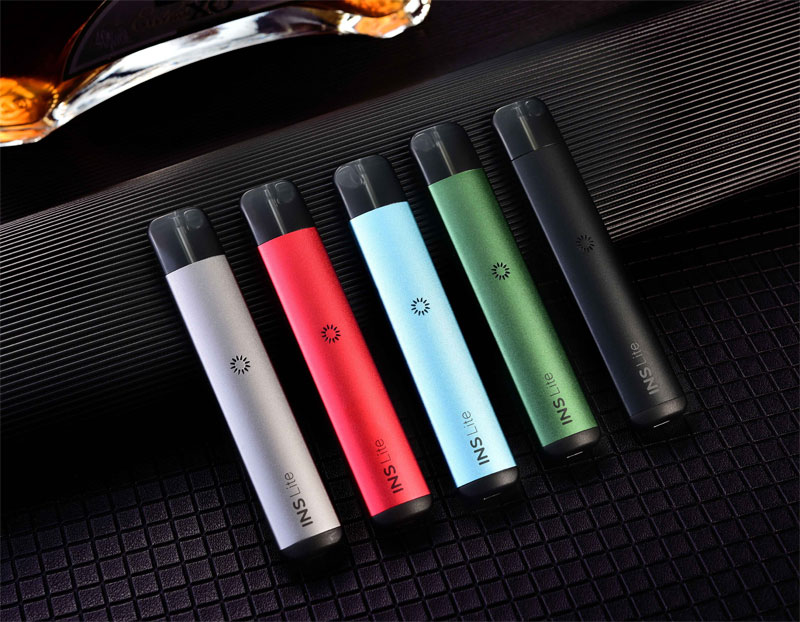
E-cigarettes, or vaping devices, have gained popularity worldwide as an alternative to traditional tobacco products. In Malaysia, the rise of e-cigarette usage has prompted the government to implement stringent regulations to curb potential health risks and misuse. By 2025, it is anticipated that Malaysia will have further refined its regulatory framework, addressing critical areas such as distribution, marketing, age restrictions, and product standards.
Current Landscape of E-Cigarette Regulations
Currently, Malaysia imposes several restrictions on e-cigarette sales and use. These include prohibiting sales to minors, advertising limitations, and stringent oversight on nicotine content in e-liquids. These measures are designed to protect young individuals from the harms of nicotine addiction while providing adult users with clear standards.
Moreover, the Malaysian government has been actively working towards harmonizing its regulations with international standards while ensuring local contexts are addressed. This involves consultations with industry stakeholders, public health experts, and ongoing research into the impacts of vaping.
Anticipated Changes for 2025
As we look forward to 2025, several predicted changes in Malaysia’s e-cigarette regulations are worth noting:
- Age Restrictions: It’s expected that there will be firmer enforcement of age restrictions, possibly increasing the legal age for purchasing e-cigarettes.
- Nicotine Content: Regulations might become more stringent regarding permissible nicotine levels in e-liquids, ensuring safer consumption for users.
- Environmental Considerations: With global trends focusing on sustainability, regulations may incorporate measures to manage e-cigarette waste effectively.
- Licensing and Quality Control: Enhanced licensing requirements for retailers and quality controls on products to safeguard consumer interests.
These changes are anticipated not just to safeguard public health but also to position Malaysia as a responsible leader in the Southeast Asian vaping industry.
Impact on Stakeholders
Consumers, especially those who have transitioned from traditional smoking, must stay informed about these regulatory shifts to ensure compliance and understand the health implications of their choices. For businesses, adapting to new regulations will be crucial for continued operation and growth. Those involved in manufacturing and retailing will need to align their practices with national standards, which may involve reformulating products or adjusting marketing strategies.
FAQs
Q: Will I still be able to purchase e-cigarettes in Malaysia in 2025?
A: Yes, you will be able to purchase e-cigarettes, but expect stricter regulations governing their sale and use, including age restrictions and product standards.
Q: What impact will these regulations have on the vaping community?
A: The regulations aim to ensure safe use and minimize the health risks associated with e-cigarettes. The community can expect better product standards and potentially reduced harm.
Q: How will businesses adapt to the changing regulations?
A: Businesses will likely need to innovate by aligning with regulatory requirements, ensuring their products meet safety standards, and possibly exploring new markets or product offerings.