Understanding the Composition of E-Cigarette Vapor
When it comes to understanding what’s in e-cigarette vapor, it’s essential to break down the basic components to get a clearer picture of what users are inhaling.
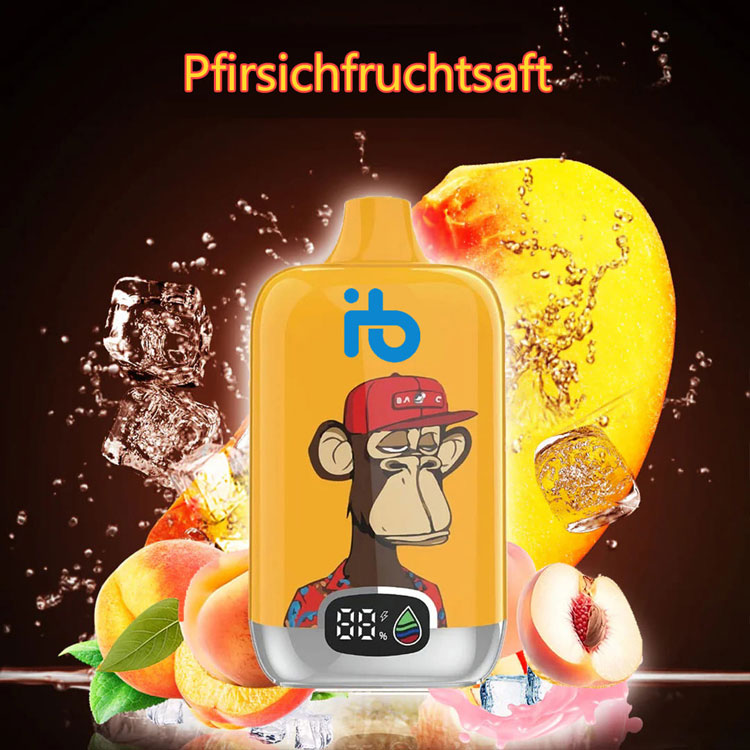
E-cigarettes have gained popularity as alternatives to traditional smoking, yet the elements that comprise their vapor are often under scrutiny. The primary ingredients include a mixture of propylene glycol, vegetable glycerin, artificial flavorings, and nicotine. Each component plays a distinct role in creating the vapor’s characteristics.

Propylene Glycol and Vegetable Glycerin
Propylene glycol (PG) and vegetable glycerin (VG) are the two main base liquids used in e-cigarette vapor. PG is known for its ability to carry flavor effectively and provides a throat hit similar to traditional smoking. On the other hand, VG is responsible for producing thicker clouds of vapor due to its viscosity. The ratio of PG to VG can significantly affect the vaping experience and is usually adjusted based on personal preference.
A Brief Look at Nicotine
Nicotine content in e-cigarette vapor varies widely and can be tailored to fit the user’s needs. While some opt for nicotine-free options, others choose higher concentrations to mimic the sensation of traditional cigarettes. It’s important to acknowledge that nicotine is an addictive substance, and e-cigarettes still pose health risks despite being marketed as less harmful than tobacco smoking.
The Role of Flavorings
Flavorings are what make e-cigarette vapor appealing to many users. These can include a wide array of artificial and natural flavors, ranging from fruity to savory. However, users should be cautious, as some flavoring substances may have unknown health impacts when inhaled. Hence, understanding these components and researching their effects is crucial for ensuring safety.
Some e-cigarette liquids also contain other chemicals such as diacetyl, acetyl propionyl, and acetoin, which have been linked to respiratory issues. It’s vital for users to be aware of what’s in their vapor and seek brands that prioritize transparency and safety.
FAQs: Unraveling Common Concerns
Q: Can e-cigarette vapor harm your lungs?
A: While e-cigarettes are assumed to be less harmful than traditional smoking, inhaling vapor can still pose risks, including inflammation and respiratory issues.
Q: Are there zero-risk e-cigarette options?
A: No e-cigarette is entirely free of risk, but choosing products with fewer harmful chemicals can reduce potential health impacts.
Q: How can I ensure the safety of my vaping liquids?
A: It’s crucial to choose trusted brands that provide transparency about their ingredients and avoid those with known harmful substances.
By understanding what comprises e-cigarette vapor, users can make informed choices and mitigate potential health risks associated with vaping.