The creation process of e-cigarettes is a fascinating journey that merges technology and innovation to provide a smokeless alternative to traditional cigarettes. Understanding “how are e cigarettes made” involves a closer look at the components and the meticulous craftsmanship involved in their production.
E-cigarettes typically consist of three main parts: the battery, the atomizer, and the e-liquid cartridge. The battery powers the device, the atomizer heats the liquid, and the cartridge contains the e-liquid which turns into vapor. Each of these components plays a crucial role in the functionality of the e-cigarette.
Battery
The battery is arguably the backbone of the e-cigarette. Usually rechargeable and lithium-ion based, it provides the necessary energy to heat the atomizer. Batteries come in various shapes and sizes, impacting the overall design and portability of the e-cigarette.
In manufacturing, batteries are often tested for durability and safety standards to ensure they won’t overheat or fail unexpectedly. Some advanced models even come with a feature to regulate power output enhancing user experience.
Atomizer
The atomizer is the element that heats the e-liquid and turns it into vapor. It’s fitted with a coil, often made of metals like nickel, titanium, or stainless steel, which heats up when powered by the battery. Advanced atomizers allow users to adjust the temperature and the density of the vapor.
Manufacturers focus on using high-quality materials to prevent toxins from being released during the heating process, ensuring a safer inhalation experience.
E-Liquid
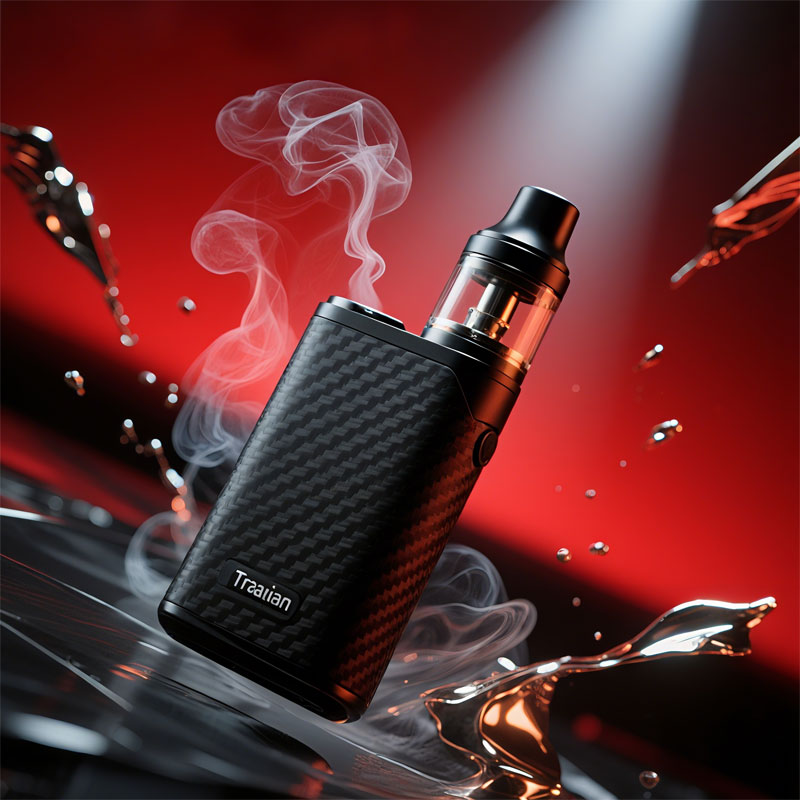 E-liquids are a mixture of propylene glycol, vegetable glycerin, flavorings, and nicotine. The variety is staggering, with flavors ranging from traditional tobacco to exotic fruits. Most e-liquids are crafted in controlled lab environments ensuring consistency in taste and nicotine levels.
The balance between propylene glycol and vegetable glycerin affects the vapor’s thickness and throat hit, allowing users to customize their vaping experience.
Assembly Process
Assembly of e-cigarettes involves precision and attention to detail. Starting from basic models to complex mods, the manufacturing process includes combining the battery, atomizer, and e-liquid cartridge securely. Automation plays a key role in mass production, ensuring consistency and efficiency.
Quality control is essential, with each device undergoing inspections and testing to meet industry standards.
Advancements in E-Cigarette Design
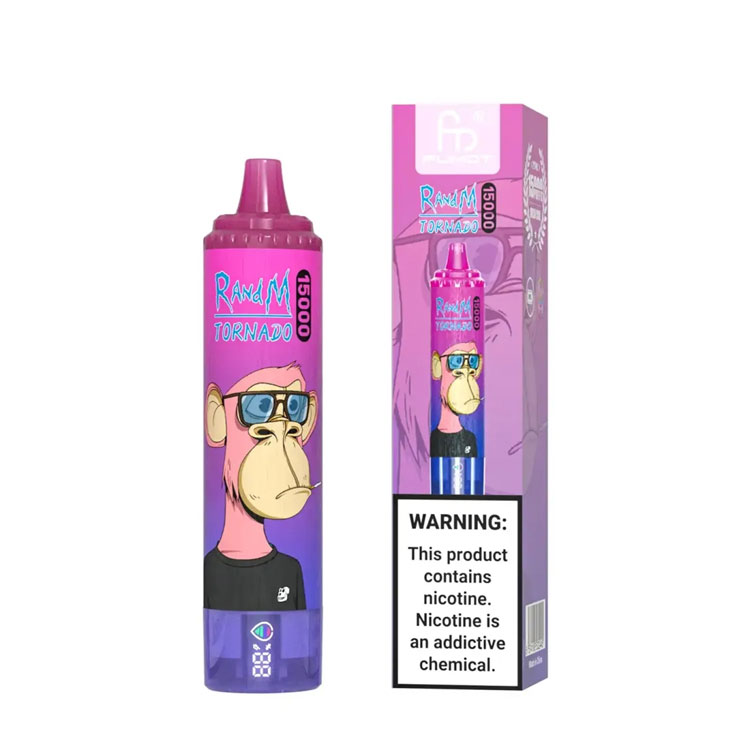 The evolution of e-cigarette design reflects technological advancements and consumer preferences. Sleek designs, customizable options, and enhanced safety features make modern e-cigarettes a popular choice. Innovations continue to emerge, focusing on improving battery life and creating more environmentally friendly components.
FAQ
- What is the lifespan of an e-cigarette?
- The lifespan varies by model and usage, but generally ranges from 6 months to a year. Proper maintenance can extend this.
- Are e-cigarettes safer than traditional cigarettes?
- While e-cigarettes eliminate the need for combustion, their safety is still under research. They are believed to be less harmful than traditional smoking but not completely risk-free.
- Can I customize my e-cigarette?
- Yes, there are plenty of customizable accessories, from coils to appearances, allowing users to tailor their device to personal preferences.
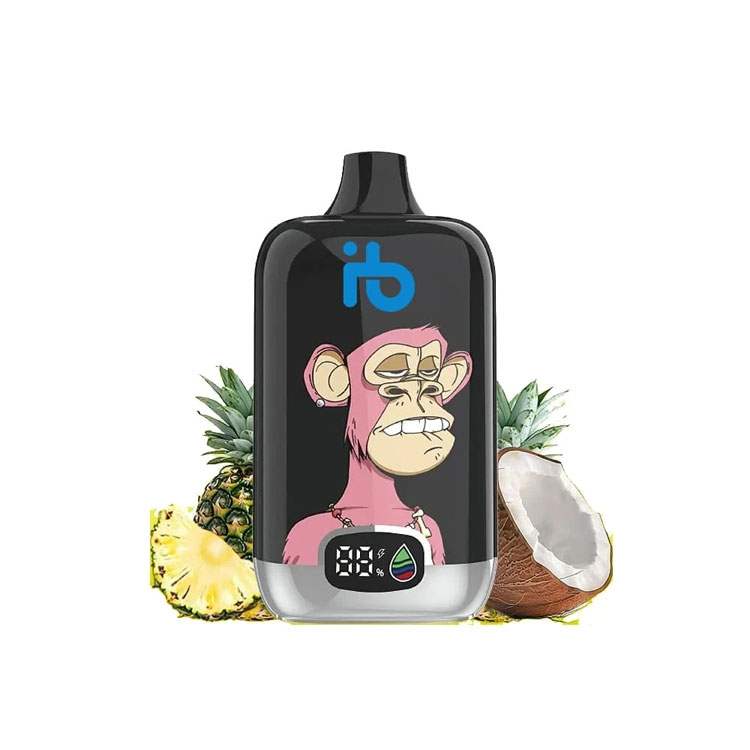
The production of e-cigarettes involves intricate processes from component selection to assembly. Encouraging further advancements in design and functionality, their craftsmanship continues to evolve, reflecting the dynamic nature of the vaping industry.