Navigating airport security can be daunting, especially when it comes to TSA regulations regarding e-cigarettes. If you’re a vape user planning to travel, understanding how the Transportation Security Administration (TSA) handles e-cigarettes is crucial for a smooth journey. Whether you’re flying domestically or internationally, ensuring compliance with TSA guidelines is key to avoid any disruptions. Here’s a comprehensive look at what you need to know about carrying your e-cigarettes through TSA checkpoints.
E-Cigarettes and TSA: What Are the Rules?
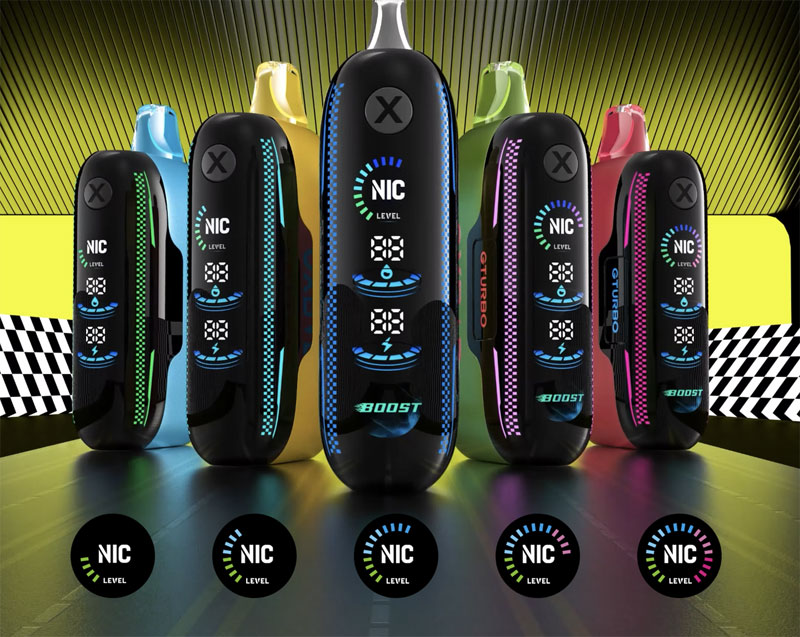
E-cigarettes, being electronic devices, are subject to specific TSA rules. These rules are designed to ensure passenger safety while allowing the convenience of carrying personal vape devices. According to TSA policies, e-cigarettes are allowed in carry-on bags but not in checked baggage. This is primarily due to the lithium batteries found in e-cigarettes, which pose a risk of fire when stored in the hold of the aircraft. Keeping them in the cabin reduces this risk, as cabin crews can handle any incidents immediately.
Preparing Your E-Cigarettes for Security Checks
When heading through security, it’s vital to prepare your vape gear to minimize delays. Remove any batteries from other devices if possible, and ensure e-liquids are within the ‘liquids rule‘ guidelines. Liquids should be in containers of 3.4 ounces (100 ml) or less and placed in a quart-sized bag. This organization helps facilitate quicker screening.
Common Questions Regarding E-Cigarettes
- Are e-liquids allowed in carry-on bags? Yes, but they must adhere to the TSA’s liquids rule.
- Can I use my e-cigarette on the plane? Airlines typically prohibit the use of e-cigarettes while flying.
- How do I pack lithium batteries safely? Keep them in their original packaging or a protective case to avoid short-circuiting.
Special Considerations for International Travel
Traveling internationally with e-cigarettes demands extra vigilance, as different countries have varied regulations regarding e-cigarette use and allowance. For instance, some countries have completely banned e-cigarettes, while others might have specific import restrictions. Prior to your travel, research the regulations of your destination country to ensure compliance and avoid any legal challenges.
Best Practices for Traveling with E-Cigarettes

To make the screening process smoother, and to avoid any conflicts, follow these best practices:
- Keep your e-cigs and accessories easily accessible in your carry-on for inspection.
- Disassemble any bulky mods or tanks and store them properly to prevent breakage.
- Educate yourself about the vaping laws of the regions you are visiting.
Frequently Asked Questions
Is there a restriction on the number of e-cigarettes I can bring?
While TSA does not specify a limit on the number of e-cigarettes, adhere to the airline’s baggage policies regarding the amount of personal electronics you can carry.
Do airport security officers often test e-cigarettes?
Although it’s not routine, TSA officers may conduct swab tests on e-cigarettes and other electronic devices to ensure safety compliance.
In summary, understanding TSA regulations concerning e-cigarettes is crucial for any vape user embarking on air travel. By following guidelines and being aware of local laws especially when flying internationally, you ensure a hassle-free journey. Remember, it’s not just about passing security checks, but also respecting airline policies and international regulations.