In recent years, thetopic of e-cigarettes has sparked significant interest, particularly concerning their potential link to anxiety. E-cigarettes, often touted as a safer alternative to traditional smoking, have raised questions about their broader impact on mental health. Here, we delve into the complexities surrounding e-cigarettes and anxiety, exploring the existing research and shedding light on what this means for users.
Understanding E-Cigarettes
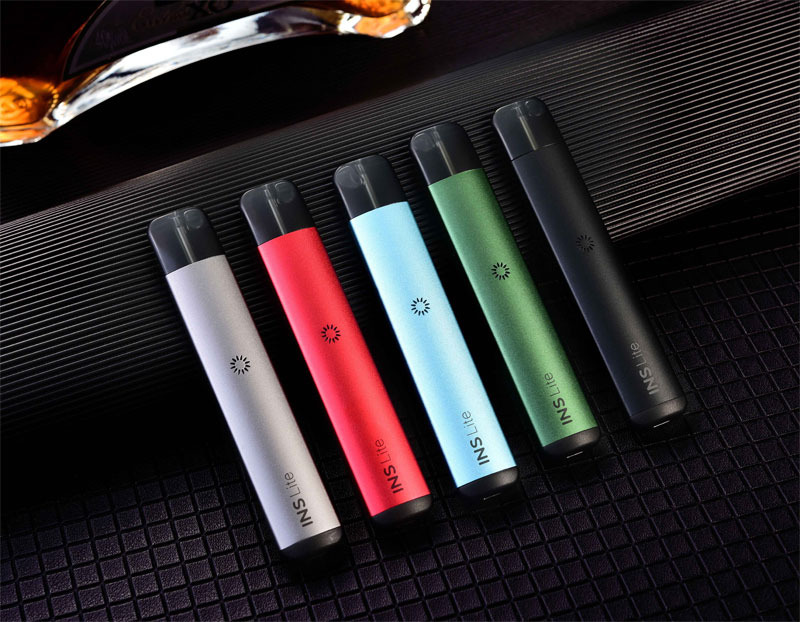
E-cigarettes, also known as electronic cigarettes or vapes, are battery-operated devices that heat a liquid to produce vapor for inhalation. This liquid, commonly referred to as e-liquid or vape juice, typically contains nicotine, flavorings, and other chemicals. While they were initially marketed as a tool to help smokers quit traditional cigarettes, their popularity among non-smokers, especially teenagers, has grown. The sleek designs and variety of flavors have made them particularly appealing to younger audiences.
Potential Links to Anxiety
Navigating the potential connection between e-cigarettes and anxiety involves examining multiple factors. Nicotine, the primary stimulant found in most e-liquids, plays a central role. Nicotine is known to stimulate the release of certain chemicals in the brain, like dopamine, which can create a sense of pleasure. However, reliance on nicotine can lead to addiction, and withdrawal from it can exacerbate feelings of anxiety and stress.
, studies have suggested that regular use of e-cigarettes may contribute to increased anxiety levels. A study published in the journal “Addictive Behaviors” found that individuals who use e-cigarettes regularly were more likely to experience anxiety than non-users. While this does not establish causation, it highlights a significant correlation that warrants further investigation.
The Role of Marketing and Perception
One must consider the role of marketing and public perception in understanding the anxiety surrounding e-cigarettes. Marketing campaigns often portray vaping as a stress-relief tool, which can influence users to believe it alleviates anxiety. Yet, this perception may lead individuals to use e-cigarettes as a crutch during stressful times, potentially leading to a cycle of dependence and anxiety exacerbation when the effects of nicotine wear off.
Considering Individual Variability
It’s crucial to acknowledge that the impact of e-cigarette use can vary significantly from one person to another. Factors such as genetics, pre-existing mental health conditions, and individual stressors all contribute to how one might experience anxiety in connection with vaping. Therefore, while some users may find momentary relief, others may experience heightened anxiety symptoms.
Regulation and Ongoing Research
With the increasing prevalence of e-cigarette use, especially among youth, regulatory bodies are calling for more comprehensive studies to understand the full range of health implications, including mental health. As research evolves, it remains essential for users and healthcare professionals to remain informed about the latest findings.
FAQs

- Why do some people feel relaxed after vaping?
Vaping may provide short-term relief for some individuals due to the nicotine
 -induced release of dopamine and serotonin, which are associated with pleasure and relaxation. However, this is often temporary and can lead to increased anxiety once the effects diminish, particularly with prolonged use.
 - Is vaping a reliable method to reduce anxiety long-term?
While some may perceive vaping as a quick stress-relief technique, it does not address the underlying causes of anxiety and might not be an effective long-term strategy for managing anxiety symptoms.
- What are safer alternatives for managing anxiety?
Those seeking to manage anxiety may consider alternatives such as therapy, exercise, mindfulness practices, and, where necessary, medication. Consulting healthcare providers for personalized advice is always recommended.
Although e-cigarettes offer a modern twist on nicotine consumption, their impact on anxiety remains a developing field. Continued research and awareness are pivotal in unraveling how e-cigarette use influences mental health, empowering individuals to make informed choices about their habits.