In today’s world, the evolution of smoking habits has given birth to electronic cigarettes, which promise a less harmful alternative to traditional smoking.
Understanding Electronic Cigarette Ingredients

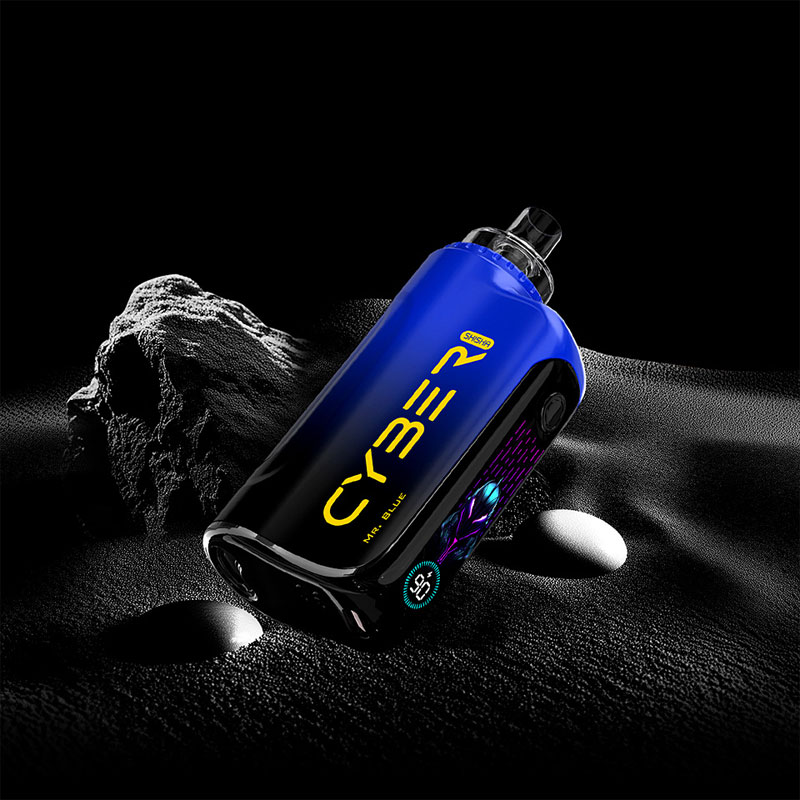 Electronic cigarettes, often referred to as e-cigarettes or vaping devices, are comprised of several essential ingredients that are crucial to their functionality. The main components include nicotine, flavorings, propylene glycol (PG), and vegetable glycerin (VG). Let’s explore the significance of each ingredient.
Nicotine
Nicotine is the addictive substance derived from tobacco plants and is incorporated into e-liquids in varying concentrations. It mimics the traditional cigarette experience, providing users with a familiar sensation. However, the concentration can be tailored to meet individual preferences, allowing those who wish to decrease their intake over time to do so gradually. Role of Flavorings One of the most appealing aspects of electronic cigarettes is their diverse array of flavors. From fruity blends to sweet desserts, flavorings play a pivotal role in enhancing the vaping experience. Food-grade flavorings are used to simulate the tastes that users desire. This customization is a significant draw for many, offering a personalized experience unlike anything the cigarette industry provides.
The Importance of Propylene Glycol and Vegetable Glycerin
Propylene Glycol (PG) and Vegetable Glycerin (VG) are critical components that create the vapor characteristic of electronic cigarettes. PG is a synthetic liquid, known for carrying flavors effectively and providing a throat hit similar to cigarettes. VG, on the other hand, is derived from vegetable oils and contributes to the vapor’s consistency and production volume. The balance between PG and VG ratios affects both vapor production and throat sensation.
Fun Fact: VG is also extensively used in food production and cosmetics, showcasing its versatility beyond vaping.
Additional Additives
Some e-liquids may contain additional additives to enhance the vaping experience. These can include cooling agents, sweeteners, and even emulsifiers. It’s crucial to understand these additives, as they can affect the overall enjoyment and safety of the vaping experience.
The ingredients in electronic cigarettes are subject to scrutiny and regulation. It’s important for users to be aware of the safety concerns associated with vaping. Manufacturing standards and regulations ensure that electronic cigarette ingredients are used responsibly and safely. Regular updates and research on ingredients help in maintaining a safer vaping culture.
How Do Electronic Cigarette Ingredients Impact Health?
While electronic cigarettes are generally considered less harmful than traditional cigarettes, there are still health concerns to be mindful of. The impact of long-term use of these ingredients is still being studied, and consumers should stay informed about ongoing research to make educated choices regarding their vaping habits.
FAQ: Are natural flavors safer than synthetic ones?
While natural flavors are derived from real sources, both natural and synthetic flavors are considered safe for consumption when used appropriately. Regulatory bodies ensure flavor safety in e-liquids.
FAQ: Can I be allergic to PG or VG?
Yes, some individuals might experience allergic reactions to PG, though it is uncommon. VG allergies are rarer. If you suspect an allergy, consult a healthcare professional for proper guidance.
FAQ: How can I ensure the quality of my e-liquid?
Purchase e-liquids from reputable manufacturers who comply with industry standards and regulations. Verify product labels and research brands to safeguard your health. As vaping continues to gain popularity, understanding the key ingredients and their roles is paramount in making informed decisions along your vaping journey.